
Desserts
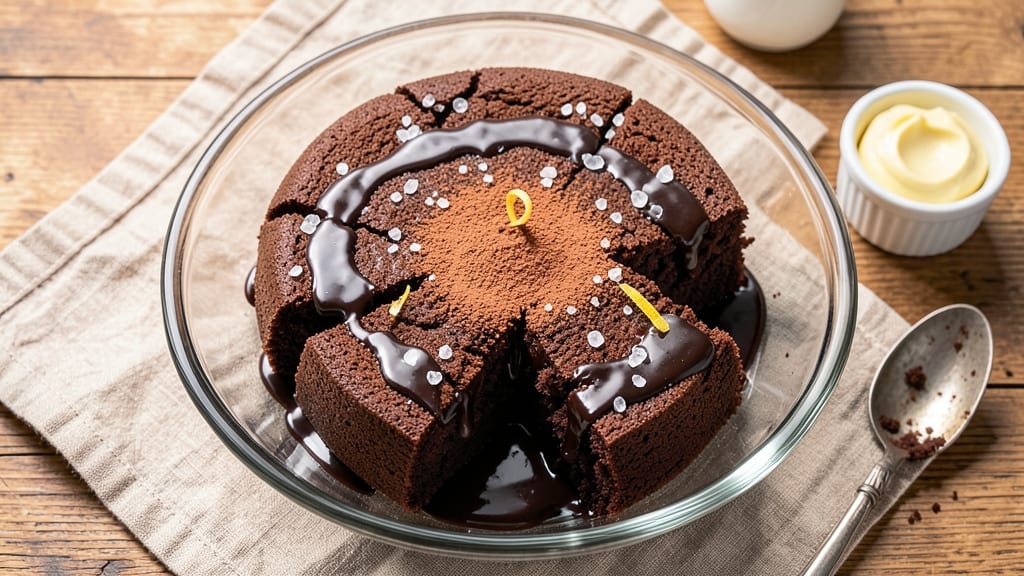
This atta chocolate cake recipe transforms whole wheat flour into a moist, rich dessert that rivals traditional flour cakes—no special ingredients required. The secret lies in balancing atta’s natural density with cocoa’s depth, creating a texture that’s wonderfully tender yet sturdy enough to hold its shape. I’ve perfected this over years of baking, ensuring every slice delivers that perfect crumb without dryness or heaviness.
The beauty of this recipe is its simplicity: just 7 ingredients and 30 minutes of active time yield a cake that’s both vegetarian-friendly and culturally adaptable. Whether you’re baking for a celebration or a quiet afternoon treat, the deep chocolate flavor and subtle nutty notes from the atta make it unforgettable. The cake’s edges stay slightly crisp while the center remains velvety, proving whole wheat can be just as indulgent as refined flour.
What sets this apart is the foolproof technique—no fancy equipment, no complicated steps. A simple one-bowl method ensures even beginners achieve professional results, while the baking soda and vinegar combo guarantees that signature rise. The aroma alone as it emerges from the oven will have everyone gathering around the kitchen, eager for their first slice.
Perfect for holiday gatherings, birthday celebrations, or even a weekend indulgence, this cake pairs beautifully with a dusting of powdered sugar or a dollop of whipped cream. The recipe scales effortlessly, so you can adjust the size to fit your needs without sacrificing texture. Let’s get baking!
Ingredients for atta chocolate cake
Seven pantry staples transform atta flour into a velvety, rich chocolate cake with restaurant-quality texture.
| Ingredient | Amount | Notes |
|---|---|---|
| Whole Wheat Atta Flour 🌾 | 2 ½ cups | Freshly milled preferred for texture |
| Unsweetened Cocoa Powder 🍫 | ¾ cup | Natural or Dutch-processed |
| Granulated Sugar 🍚 | 1 ½ cups | White or light brown |
| Baking Soda 🧂 | 1 tsp | Pure, not baking powder |
| White Vinegar 🍶 | 1 tbsp | For chemical leavening |
| Unsalted Butter 🧈 | 1 cup | Cold, cubed for creaming |
| Vanilla Extract 🌿 | 1 tsp | Pure alcohol-free preferred |
| Large Eggs 🥚 | 2 whole | Room temperature |
| Milk 🥛 | ½ cup | Whole or 2% for richness |
| Salt 🧂 | ½ tsp | Fine sea salt |
| Powdered Sugar 🍚 | ¼ cup | For dusting, optional |
The atta flour is the foundation—look for freshly milled at a South Asian grocery or bulk bins at Whole Foods for optimal texture. Shreeji or Patanjali brands are excellent choices if you're shopping at an Indian market. If you can't find freshly milled, regular whole wheat flour works but may yield a slightly denser crumb. The cocoa powder should be unsweetened and high-quality—Guittard or Valrhona are professional-grade options, but Hershey's Special Dark works perfectly for home baking. The butter must be cold and cubed when creaming—this ensures proper aeration for that signature fluffy crumb. I always use Land O'Lakes unsalted for consistency, but any brand works as long as it's unsalted.
No baking soda? Substitute 1 tsp baking powder plus 1/4 tsp cream of tartar for the same lift. Running short on vinegar? Lemon juice works at the same amount, though the flavor profile shifts slightly. The eggs should be room temperature—cold eggs can cause the batter to curdle. If you're avoiding eggs, replace with 2 tbsp ground flaxseed plus 6 tbsp water per egg, but texture may vary. The milk can be any variety, but whole milk enhances richness. For a deeper chocolate flavor, add 1 tbsp instant espresso powder—it enhances the cocoa without bitterness. The vanilla extract should be pure, not imitation—Nielsen-Massey is my go-to brand for authentic flavor.
Store the cake in an airtight container at room temperature for up to 3 days—it actually improves as it sits. For longer storage, wrap tightly and refrigerate for up to 1 week, though texture may firm slightly. To reheat, warm in a 300°F oven for 5-10 minutes with a damp paper towel over it to restore moisture. The powdered sugar dusting is optional but elevates presentation—use a fine-mesh sieve for an even coat. This cake freezes beautifully: slice before freezing and thaw at room temperature for 1 hour—no microwave needed. The baking soda-vinegar combo ensures maximum rise, so don't skip that reaction time before folding in dry ingredients.
Why You'll Love This Recipe
- No-Fuss Mixing: I swear, this cake comes together faster than my coffee cools. Just fold the dry atta and cocoa with sugar, crack in eggs, stir in vinegar—no creaming butter, no sifting madness. The vinegar does all the work, lifting the batter while I’m still scraping the bowl.
- Rich Without Guilt: That unsweetened cocoa meets whole wheat atta? Deep, fudgy satisfaction with none of the heavy aftertaste. It’s the kind of cake where every bite tastes like a treat, but my conscience stays clean—honestly, my husband doesn’t even notice the atta’s there.
- Weeknight Hero: Slice it warm for dinner with a scoop of ice cream, or pack it for lunches—it stays moist for days. I’ve sent this to school bake sales, potlucks, and even my mom’s “I’m feeling lazy” Sundays. No one questions why it’s not your typical cake.
- Pantry Staple Magic: Between us, this recipe uses things you already own. No specialty flours, no fancy leaveners—just sugar, vinegar, and a little patience. My first attempt was slightly dense (okay, brick-like), but now it’s my go-to when I’m low on ingredients or short on time.
Step-by-step instructions for atta chocolate cake
This method transforms humble pantry staples into a cake with a tender crumb and rich chocolate depth.
Prepare the Chemical Leavening Mixture
In a small bowl, combine the 1 cup unsalted butter and 1.5 cups granulated sugar. Using an electric mixer on medium speed, beat until light and fluffy—this should take about 3-4 minutes. The mixture should nearly double in volume and become pale, with ribbons forming when the beaters are lifted. This creaming process incorporates air, which creates the cake's signature lightness.
In a separate bowl, whisk together the 2.5 cups whole wheat atta flour, 0.75 cup unsweetened cocoa powder, 1 tsp baking soda, and 0.5 tsp salt. Sift this dry mixture once to aerate it—this prevents dense pockets in the final cake. Set aside. The vinegar and eggs will activate the baking soda for lift, so precision matters here.
Combine Wet Ingredients and Fold Dry Mixture
Add the 2 whole large eggs, one at a time, mixing well after each addition until fully incorporated. The batter should thicken slightly as the eggs emulsify with the butter-sugar mixture. Stir in the 1 tsp vanilla extract and 0.5 cup milk, mixing just until smooth—overmixing develops gluten in the atta flour, which can make the cake tough.
Gradually fold the dry mixture into the wet ingredients using a spatula, mixing just until combined. Avoid overmixing; a few streaks of flour are acceptable at this stage. The batter will be thick but pourable. Here's the thing—atta flour absorbs moisture differently than all-purpose flour, so don't add extra liquid even if the batter seems stiff.
Incorporate the Vinegar for Lift
In a measuring cup, combine the 1 tbsp white vinegar with 2 tablespoons of the batter. Stir well to dissolve any flour particles, then pour this mixture back into the main batter. Gently fold it in using a spatula, cutting down the middle and swirling the batter to distribute the vinegar evenly. This creates tiny air pockets that help the cake rise beautifully.
The vinegar reacts with the baking soda to produce carbon dioxide, which acts as a leavening agent. You'll notice the batter become slightly lighter and more airy. This step is non-negotiable for achieving that signature fluffy texture—skip it, and you'll end up with a dense cake.
Bake for a Moist, Even Crumb
Preheat your oven to 350°F and grease two 8-inch round cake pans or line them with parchment paper. Divide the batter evenly between the pans and smooth the tops with a spatula. Bake for 30-35 minutes, or until a toothpick inserted into the center comes out clean with just a few moist crumbs clinging to it.
I always check for doneness at the 28-minute mark—overbaking dries out the cake. The edges should pull away slightly from the pan, and the top should spring back when gently pressed. If the top browns too quickly, tent the pans with foil after 20 minutes to prevent over-browning while ensuring even cooking.
Cool and Dust for Presentation
Remove the cakes from the oven and let them cool in the pans for 10 minutes. Then transfer them to a wire rack to cool completely. This gradual cooling prevents cracking and ensures the crumb sets properly. While the cakes cool, sift the 0.25 cup powdered sugar over a fine-mesh sieve to create a cloud of dust for presentation.
Once fully cooled, dust the tops generously with the powdered sugar. For an extra touch, you can layer the cakes with a simple ganache or whipped cream, but the cake's natural moisture and rich chocolate flavor shine on their own. Serve slices at room temperature for the best texture—this cake keeps well for 3 days in an airtight container.
Pro Tips For Making Atta Chocolate Cake
- SIFT THE FLOUR FIRST: Whole wheat atta loves hiding lumps, and they’ll make your cake dense and uneven. Run it through a fine-mesh sieve before measuring—yes, even if the bag says "stone-ground." I learned this the hard way after a cake that looked like a brick.
- WHISK THE COCOA: Unsweetened cocoa powder clumps like a stubborn guest at a party. Whisk it with the sugar before adding wet ingredients—this ensures smooth batter and no gritty surprises. Skip this, and you’ll get pockets of dry cocoa that won’t mix in, no matter how much you stir later.
- LET THE BATTER REST: Pouring this batter straight into the pan? Bad idea. Let it sit for 10–15 minutes—atta flour soaks up liquid like a sponge, and resting prevents a dry, crumbly cake. I was skeptical until I tried it; now it’s non-negotiable.
- BAKE UNTIL SPRINGY: This cake’s done when the edges pull away and a toothpick comes out with moist crumbs, not wet batter. Whole wheat takes longer than refined flour, so don’t rush it—30–35 minutes at 350°F (175°C) is usually right, but check at 25 minutes. Overbaking turns it tough.
Wine and beer pairings for this dish
Red Wine Pairings
For this rich, whole wheat chocolate cake, I reach for a medium-bodied red wine that complements the deep cocoa flavor without overpowering it. A Cabernet Sauvignon from Napa Valley—like Robert Mondavi Private Reserve—works beautifully, with its black cherry and vanilla notes mirroring the cake’s chocolate intensity. The wine’s tannins cut through the cake’s richness, cleansing your palate between bites. 🍷
If you prefer something lighter, a Pinot Noir from Oregon—such as Domaine Serene—offers red fruit and earthy undertones that pair wonderfully with the cake’s nutty atta flour base. The wine’s delicate acidity balances the sweetness, creating a harmonious contrast. Avoid heavy, high-tannin wines like Syrah or Malbec, as they can clash with the cake’s tender texture.
White Wine Pairings
A Chardonnay with subtle oak—like Kendall-Jackson Vintner’s Reserve—is a surprising but excellent match. Its buttery notes enhance the cake’s moisture, while the citrus undertones provide a refreshing contrast to the chocolate. Serve it slightly chilled to highlight the wine’s bright acidity, which complements the cake’s depth. 🍷
For a lighter option, try a Viognier from California, such as Ramey Wine Cellars. The wine’s stone fruit and floral aromas elevate the cake’s natural sweetness without competing with the chocolate. The low alcohol content (around 12-13%) ensures the wine doesn’t overwhelm the dessert’s delicate crumb.
Beer Pairings
For beer lovers, a Belgian-style Dubbel—like Westmalle Tripel—is a fantastic choice. Its caramel and spice notes harmonize with the cake’s cocoa, while the effervescence cuts through the richness. The beer’s moderate alcohol content (around 8%) ensures it doesn’t clash with the dessert’s texture. 🍺
A dark ale with chocolate stout notes, such as Guinness, also pairs wonderfully. The roasted malt flavors enhance the cake’s depth, creating a cozy, indulgent experience. Serve the beer slightly chilled to balance the warmth of the cake. Avoid overly sweet or hoppy beers, as they can overpower the dessert’s natural flavors.
Non-Alcoholic Options
For a refreshing non-alcoholic pairing, try sparkling apple cider—like Martinelli’s Sparkling. Its bright acidity and apple notes provide a crisp contrast to the cake’s richness. Serve it well-chilled to enhance its effervescence, which cleanses the palate between bites. 🍎
Alternatively, a chocolate-infused iced tea—brewed with black tea, cocoa powder, and a touch of honey—mirrors the cake’s flavors while offering a cool, refreshing accompaniment. The tannins in the tea complement the cake’s texture, creating a balanced, satisfying experience.
Nutrition facts
Frequently asked questions
Why does this atta chocolate cake turn out moist instead of dry?
The secret lies in the vinegar-baking soda reaction and proper butter creaming. The vinegar creates tiny air pockets that keep the cake tender, while cold butter traps air during creaming. Using room-temperature eggs and whole wheat atta flour (not refined) also prevents dryness by maintaining natural moisture.
Can I substitute whole wheat flour with regular all-purpose flour?
You can try, but the texture will differ. All-purpose flour lacks atta's nutty depth and may yield a slightly denser cake. For best results, stick with atta—it's what gives this recipe its signature richness. If you must substitute, reduce to 2 cups and add 0.5 cup cornstarch to lighten the crumb.
How do I prevent cracks on the cake's surface?
Cracks usually appear from overmixing or rapid cooling. Mix just until combined (lumps are fine) and avoid opening the oven door during baking. Let the cake cool in the pan for 10 minutes before transferring to a rack. For extra insurance, brush warm cakes with simple syrup after baking.
Is this cake suitable for people with gluten sensitivity?
While atta is whole wheat, it's naturally gluten-free if using certified GF atta flour. For strict gluten-free diets, substitute with 1:1 gluten-free flour blend (like Bob's Red Mill) plus 0.5 tsp xanthan gum2-3 minutes. Always check labels for cross-contamination warnings.
Can I make this cake in a single layer instead of two?
Use a 9-inch round pan or 9x13-inch baking dish. For the round pan, bake 25-30 minutes at 350°F until a toothpick comes out clean. For the sheet pan, reduce baking time to 20-25 minutes—check at 18 minutes to avoid overbaking. The single layer will be slightly denser but equally delicious.