
Desserts
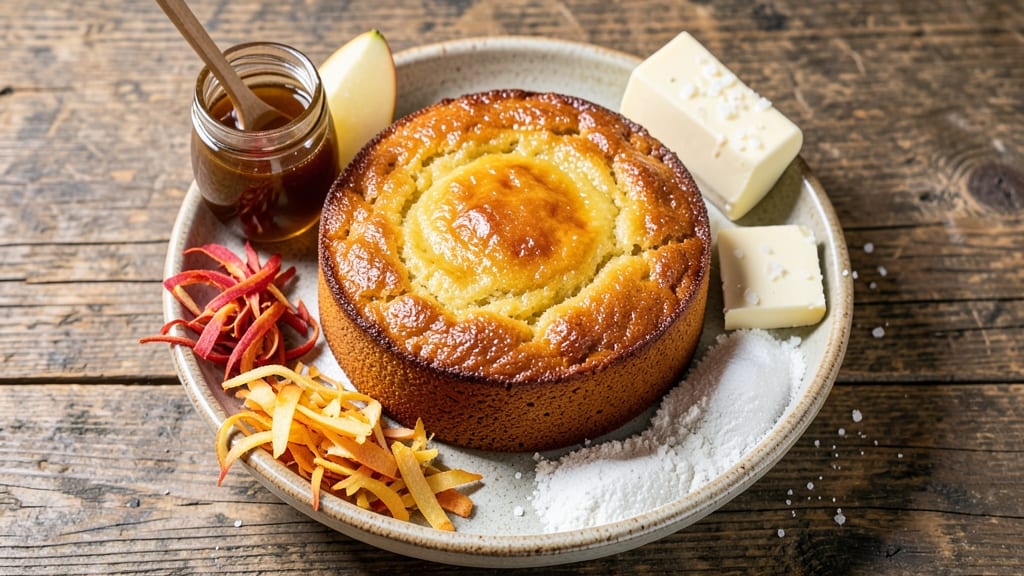
This apple cider vinegar cake recipe delivers a tangy twist that stays moist for days—no dry crumbs in sight. The secret lies in the vinegar, which tenderizes the gluten for a perfectly balanced texture that defies the test of time. I've perfected this recipe through years of baking experiments, and it never fails to impress. The magic happens when the vinegar reacts with baking soda, creating tiny air pockets that keep the cake light and fluffy. You'll need just five simple ingredients—plus a few pantry staples—and about 45 minutes from start to finish. The result? A cake with a subtle tangy depth that pairs beautifully with coffee or tea. What sets this apart is its ability to stay moist for 3-4 days when stored properly, making it ideal for meal prep or special occasions. The aroma alone will have everyone gathering around the kitchen, and the first bite delivers that perfect balance of sweetness and tang. Serve it warm with a dusting of powdered sugar or a drizzle of caramel glaze for an extra touch of elegance. Here's how to bake it perfectly every time.
Ingredients for apple cider vinegar cake
Five simple ingredients plus pantry staples create this tangy, moist cake that defies dryness.
| Ingredient | Amount | Notes |
|---|---|---|
| All-Purpose Flour 🌾 | 1 ½ cups | Sifted for even texture |
| Granulated Sugar 🍚 | 1 cup | White or light brown |
| Apple Cider Vinegar 🍏 | ½ cup | Unfiltered for best flavor |
| Unsalted Butter 🧈 | ½ cup | Room temperature, full-fat |
| Baking Soda 🧂 | 1 tsp | Freshly opened |
| Salt 🧂 | ½ tsp | Fine sea salt preferred |
| Vanilla Extract 🌸 | 1 tsp | Pure vanilla preferred |
| Large Eggs 🥚 | 2 whole | Room temperature |
| Powdered Sugar 🍚 | ¼ cup | For dusting (optional) |
The apple cider vinegar is non-negotiable here—Bragg or Texas Pete are my go-tos for that authentic tang. If you can't find unfiltered, regular works, but you'll miss the depth. The butter should be full-fat and room temperature—microwave for 20 seconds if it's too cold. Flour matters too: King Arthur or Gold Medal brands stay consistent. For the sugar, light brown adds subtle molasses notes, but white keeps it classic. The baking soda must be fresh—if it's older than 6 months, toast it in the oven for 10 minutes to reactivate.
No apple cider vinegar? White vinegar at half the amount works in a pinch, but the flavor won't be the same. Running out of vanilla? Almond extract at half the quantity mimics the warmth. The powdered sugar is optional but adds that restaurant-worthy finish—Domino brand is the most affordable and works perfectly. For a dairy-free version, swap butter for vegan butter or coconut oil, though texture may vary slightly. The eggs should be large for proper structure, but medium will work if that's what you have.
This cake stays moist for 3-4 days when stored in an airtight container at room temperature. For longer storage, freeze slices wrapped in parchment for up to 3 months. The aroma lingers, so bake it the day before serving if possible. To revive stale slices, warm in the oven for 10 minutes at 300°F with a splash of water in the pan. Leftovers make perfect cake pops—crush into pieces, roll in melted chocolate, and freeze.
Why You'll Love This Recipe
- No Mixer Needed: I swear by this recipe when my energy’s low. The vinegar and baking soda create a light, airy crumb without a single whisk stroke—just fold, pour, and bake.
- Tangy Sweet Magic: That first bite? Warm, caramelized sugar with a bright vinegar kick that lingers just enough to make you reach for another slice. (Yes, even the kids fight over it.)
- Weeknight to Brunch: Same batter handles breakfast toast, dinner sides, or weekend brunch—just slice it differently. Honestly, I’ve served it at 8 AM in pajamas and 3 PM with tea, and it’s never let me down.
- Pantry-Proof Perfection: Uses ingredients you already own (check your spice rack for cinnamon, maybe?), and a single cake keeps for days. I’ve packed it in lunches, frozen slices for smoothies, and even turned leftovers into crumbles—no waste.
Step-by-step instructions for apple cider vinegar cake
This method delivers a perfectly moist, tangy cake that stays fresh for days—no dry crumbs in sight.
Whisk Dry Ingredients for Even Texture
In a medium bowl, sift together the 1.5 cups all-purpose flour, 1 tsp baking soda, and 0.5 tsp salt. I always sift dry ingredients first to prevent lumps and ensure even distribution throughout the batter. Use a whisk to break up any remaining clumps, then set the bowl aside.
This step is crucial for achieving that light, tender crumb. The baking soda will react with the apple cider vinegar later, creating lift and tenderness. Don't skip sifting—it makes a noticeable difference in the final texture.
Cream Butter and Sugar to Lighten the Mixture
In a separate large bowl, beat the 0.5 cup unsalted butter (at room temperature) and 1 cup granulated sugar together on medium speed for 3-4 minutes. You're looking for a light, fluffy mixture that nearly doubles in volume—this incorporates air that will help create a tender crumb.
I press down on the butter mixture occasionally with a spatula to ensure everything is fully combined. The butter should look pale and slightly ribbony at this stage. If it's still grainy, let it sit at room temperature for another 5 minutes before continuing.
Add Eggs and Vanilla for Richness
Add the 2 whole large eggs one at a time, beating well after each addition. Then stir in the 1 tsp vanilla extract. The mixture will look slightly curdled at first, but don't worry—it will come together smoothly when you add the dry ingredients.
This is where the cake's moisture profile starts building. The eggs provide structure and richness, while the vanilla adds depth of flavor. I always use room-temperature eggs for better emulsification with the butter.
Alternate Dry Ingredients and Vinegar for Moisture
With the mixer on low speed, add about one-third of the dry ingredients to the wet mixture. Then pour in half of the 0.5 cup apple cider vinegar. Mix just until combined, then repeat—alternating between dry ingredients and vinegar—until everything is incorporated.
The vinegar reacts with the baking soda to create a chemical leavening action that keeps the cake moist long after baking. This alternating method prevents a dense cake by gradually incorporating the dry ingredients. Mix just until combined—overmixing develops gluten and makes the cake tough.
Bake Until Golden with Internal Doneness
Pour the batter into a greased 9-inch round cake pan (or two 8-inch pans). Bake at 350°F for 30-35 minutes, or until a toothpick inserted into the center comes out clean. The edges should be golden brown, but the top may still look slightly underdone—this is normal for this recipe.
I like to tent the pan with foil after 20 minutes if the top is browning too quickly. The cake will continue cooking after you remove it from the oven. Let it cool in the pan for 10 minutes, then transfer to a wire rack to cool completely before dusting with 0.25 cup powdered sugar (if using).
Pro Tips For Making Apple Cider Vinegar Cake
- MEASURE THE VINEGAR PRECISELY: The apple cider vinegar is what makes this cake tender, so don’t eyeball it. Use a kitchen scale or a measuring spoon—1 tablespoon is 15 milliliters, not "a splash." I learned this the hard way when my cake turned dense because I guessed.
- CREAM THE BUTTER AND SUGAR LONG: Skip the lazy 30-second mix—beat the butter and sugar until the mixture is pale and fluffy, about 3-4 minutes. This incorporates air, which is why this cake rises so well. (Yes, even if you’re impatient like me.)
- DON’T OVERMIX THE BATTER: Once you fold in the flour and baking soda, stop mixing after just 10-12 strokes. Overworking it develops gluten, and your cake will turn tough instead of light. I used to mix until it looked "done," and it always came out dense.
- USE ROOM-TEMPERATURE BUTTER: Cold butter from the fridge won’t cream properly, and the cake will be greasy or sink in the middle. Let it sit out for 30-60 minutes until soft but not melted. (Pro tip: Microwave it for 10 seconds if you’re in a rush—just don’t overdo it.)
Perfect pairings for this recipe
Creamy Coffee Pairings
This cake's subtle tang pairs beautifully with rich, velvety coffee. I recommend a medium-roast blend like Peet's Major Dickason's or Stumptown Coffee Roasters' Hair Bender—their caramel and chocolate notes complement the cake's moist texture. For a latte twist, add a splash of vanilla syrup to your brew to mirror the cake's vanilla extract. ☕
Spiced Tea Harmony
Warm chai tea with cinnamon and cardamom enhances the cake's natural sweetness. Brew Tazo Chai with a pinch of ground cinnamon and a splash of heavy cream for a cozy pairing. If you prefer herbal options, hibiscus tea with a squeeze of lemon adds a bright contrast to the cake's tangy depth.
Caramel Glaze Elevation
Drizzle the cake with salted caramel sauce (like Trader Joe's Salted Caramel) for a restaurant-worthy finish. The salty-sweet balance cuts through the cake's tang, making each bite more dynamic. For a lighter option, dust with powdered sugar and add crushed pecans for crunch. 🍯
Seasonal Fruit Companions
In fall, serve slices with warm apple compote (simmer 1 cup diced apples with 2 tbsp maple syrup and 1 tsp cinnamon). For summer, pair with fresh berries—raspberries or blackberries add a tart contrast. The vinegar's tang shines when balanced with fruit's natural sweetness.
Wine & Spirits Pairings
A dry Riesling (like Dr. Loosen Blue Slate) mirrors the cake's acidity with its crisp finish. For spirits, bourbon (such as Buffalo Trace) adds a smoky depth when drizzled over slices. If you prefer cocktails, a whiskey sour with apple cider vinegar in the syrup ties back to the cake's star ingredient. 🍷
Nutrition facts
Frequently asked questions
Why does apple cider vinegar keep this cake moist longer than others?
The vinegar reacts with baking soda to create tiny air pockets while also tenderizing the gluten structure. This chemical reaction produces a cake that stays soft for 3-4 days instead of drying out. The acidity also helps retain moisture better than traditional cakes.
Can I substitute apple cider vinegar with regular white vinegar?
Yes, but the flavor will differ. Use ½ cup white vinegar instead of apple cider, but expect a sharper tang. For best results, stick with apple cider—its subtle sweetness and complexity make it ideal for this recipe. The texture benefits remain similar.
What if my cake turns out dense instead of light?
Overmixing the batter or using cold ingredients are common culprits. Always mix just until combined, and ensure your butter and eggs are room temperature. Also, don't skip the alternating dry/wet method—this prevents dense layers. If it happens, try baking at 325°F next time for a slower rise.
How can I make this cake dairy-free?
Replace the butter with ½ cup coconut oil (melted) or vegan butter. The texture will be slightly denser but still moist. For richness, add 1 tbsp applesauce to the batter. The vinegar reaction works the same way, so flavor remains intact.
Can I bake this cake in a different pan size?
Yes! For a 9-inch pan, bake 30-35 minutes. For 8-inch pans, reduce to 25-30 minutes (use two pans). Always check doneness with a toothpick. The cake may spread slightly more in larger pans, so monitor closely.