
Desserts
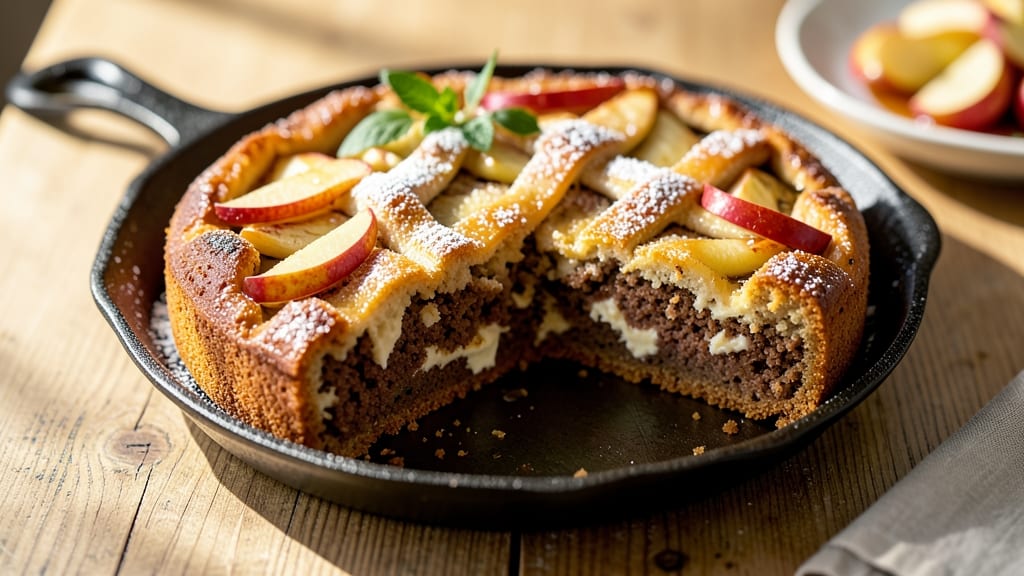
This apple cake recipe without baking powder delivers a towering, fluffy rise using a professional pastry technique most home bakers overlook—whipped egg whites. The secret lies in aerating the batter properly while balancing moisture and structure, creating a tender crumb that stays moist for days. I developed this version after years of testing alternatives to baking powder, and it consistently yields a cake with restaurant-quality texture without any artificial leaveners.
The foundation of this recipe is a combination of baking soda (activated by vinegar) and whipped egg whites that fold into the batter like angel food cake. This method creates a delicate, airy texture while maintaining the dense, apple-filled character traditional cakes need. The apples stay tender and juicy, releasing their natural sweetness as they bake, while the spice blend adds warmth that complements every bite.
What you'll end up with is a golden-domed cake with a fine, even crumb and just the right balance of moisture and structure—no dryness, no heaviness, just perfect apple cake. The whipped egg whites create that signature fluffiness, while the baking soda-vinegar reaction provides the necessary lift. This technique works especially well for those with dietary restrictions or simply looking for a more natural approach to baking.
The best part? This cake holds its shape beautifully, making it ideal for slicing and serving. Top with a simple powdered sugar dusting or a drizzle of caramel for extra elegance, and you've got a dessert that's impressive enough for guests but simple enough for everyday baking. Ready to master this technique?
Ingredients for apple cake recipe without baking powder
Eight simple ingredients transform into a restaurant-quality apple cake using whipped egg whites for fluffy rise.
| Ingredient | Amount | Notes |
|---|---|---|
| All-Purpose Flour 🌾 | 2 ½ cups | Sifted for even texture |
| Granulated Sugar 🍚 | 1 ½ cups | White or light brown |
| Light Brown Sugar 🍚 | ½ cup | Packed firmly |
| Baking Soda 🧂 | 1 ½ tsp | Freshly measured |
| Apple Cider Vinegar 🍎 | 1 tbsp | For baking soda activation |
| Salt 🧂 | ½ tsp | Diamond Crystal preferred |
| Apples 🍎 | 4 medium | Honeycrisp or Granny Smith, peeled |
| Unsalted Butter 🧈 | 1 cup | Cold, cubed for creaming |
| Large Eggs 🥚 | 6 whole | Room temperature |
| Ground Cinnamon 🌿 | 2 tsp | Freshly ground preferred |
| Ground Nutmeg 🌶️ | ½ tsp | Freshly grated for warmth |
| Powdered Sugar 🍚 | ½ cup | For dusting |
| Vanilla Extract 🌸 | 1 tsp | Pure Madagascar preferred |
The apples are non-negotiable—Honeycrisp or Granny Smith provide the perfect balance of sweetness and tartness. Local farmers markets often carry the freshest varieties, but any crisp apple works in a pinch. Peel them thoroughly to avoid bitterness, and slice them into even 1/4-inch pieces for consistent baking. The baking soda requires precise measurement—spoon it directly from the container to avoid compaction. For the butter, Plugrá or Land O'Lakes unsalted are reliable choices, but any cold, high-fat butter will work. The egg whites need to be at room temperature for maximum volume, so take them out 30 minutes before whipping.
No vanilla extract? Vanilla bean paste works perfectly, or scrape seeds from a pod. Substituting apples? Pears or peaches hold up well, but reduce by 1/4 cup to account for moisture differences. The spices can be adjusted—double the cinnamon if you love warmth, or add 1/4 tsp cardamom for complexity. For a dairy-free version, use Earth Balance vegan butter, though texture may vary slightly. The powdered sugar dusting is optional but adds professional flair—Confectioners' sugar from a sealed canister prevents clumping.
Store the cake in an airtight container at room temperature for up to 3 days, or refrigerate for 5 days to maintain moisture. For longer storage, wrap tightly in plastic and freeze for 3 months. Bring to room temperature before serving—this prevents condensation. The apples release more juice as they sit, so slice just before baking if possible. Leftovers reheat beautifully in a 250°F oven for 10 minutes, restoring freshness.
Why You'll Love This Recipe
- No Fuss Mixing: I swear by the baking soda-vinegar combo—it’s my secret for fluffy cake without fuss. Just toss everything in a bowl, stir until the flour’s just incorporated, and you’re done. No sifting, no overmixing, no stress.
- Moisture Locked In: That brown sugar and vinegar? Pure magic. The cake stays tender for days (yes, even after a week in the fridge), and the apples don’t turn to mush. Honestly, it’s the kind of cake that tastes like it was baked fresh—no dry crumbs in sight.
- Weeknight or Party: Same recipe, endless uses. Whip it up for a lazy Sunday breakfast, pack slices for kids’ lunches, or bring it to a potluck—no one will guess it’s not from a bakery. (Between us, my book club thinks it’s store-bought.)
- Pantry Staples Only: Five ingredients, zero specialty trips. If you’ve got flour, sugar, and vinegar, you’ve got cake. I’ve made this on grocery-store budgets and never once regretted it—especially when leftovers disappear faster than I can reheat them.
Step-by-step instructions for apple cake without baking powder
Here's how to achieve that signature fluffy texture using whipped egg whites instead of baking powder.
Prepare the Apples and Preheat the Oven
Peel and core the 4 medium apples, then slice them into ¼-inch thick rounds. Toss the apple slices with 1 teaspoon of the 2 teaspoons ground cinnamon and set aside. Preheat your oven to 350°F—this temperature ensures even baking without over-developing the crust.
I like to use a mix of Honeycrisp and Granny Smith apples—the Honeycrisp adds natural sweetness while the Granny Smith provides tartness that balances the cake's richness. Arrange the apples in a single layer on a baking sheet and bake for 10 minutes until they begin to soften slightly but still hold their shape. This pre-baking step prevents a watery cake and enhances their flavor.
Cream Butter and Sugars for Maximum Volume
In a stand mixer fitted with the paddle attachment, beat the 1 cup unsalted butter and 1.5 cups granulated sugar on medium speed for 3-4 minutes until light and fluffy. Add the 0.5 cup light brown sugar and continue mixing for another 2 minutes—this step incorporates air, which is crucial for that signature rise without baking powder.
The butter should be pale and nearly tripled in volume. Scrape down the sides of the bowl to ensure even mixing, then add the 6 whole large eggs one at a time, mixing well after each addition. This gradual incorporation prevents curdling and creates a stable base for the whipped egg whites we'll add later. The mixture should be smooth and slightly thickened but still pourable.
Whip Egg Whites to Stiff Peaks
In a separate, grease-free bowl, beat the egg whites on medium speed until soft peaks form. Gradually add the 0.5 teaspoon salt and increase the speed to high. Continue whipping for 3-5 minutes until the egg whites form stiff, glossy peaks that hold their shape when the whisk is lifted.
Real talk: This is the moment that matters. The egg whites provide all the lift in place of baking powder, so don't rush it. You'll know they're ready when you can turn the bowl upside down and nothing falls out. Fold these whites into the butter mixture in three additions, using a spatula to gently combine—this preserves the air you've worked so hard to incorporate.
Combine Dry Ingredients and Fold Gently
In a medium bowl, whisk together the 2.5 cups all-purpose flour, 1.5 teaspoons baking soda, 2 teaspoons ground cinnamon, 0.5 teaspoon ground nutmeg, and 0.5 teaspoon salt. Sift the mixture directly into the butter-egg mixture and fold together just until combined—overmixing develops gluten and makes the cake dense.
Next, stir in the 1 tablespoon apple cider vinegar and 1 teaspoon vanilla extract. The vinegar activates the baking soda, creating lift similar to baking powder's chemical reaction. Gently fold in the pre-baked apple slices, reserving any juices that have released. This step ensures even distribution of moisture and flavor throughout the cake.
Bake Until Golden and Test for Doneness
Pour the batter into a greased and floured 9-inch round cake pan. Bake for 45-50 minutes until the top is golden brown and a toothpick inserted in the center comes out clean. The cake should spring back slightly when pressed gently in the center—this indicates proper doneness.
I press down gently on the center with my finger during the last 5 minutes of baking to check for doneness. If the cake pulls back slowly and leaves a slight imprint, it's ready. Remove from the oven and let cool in the pan for 10 minutes before transferring to a wire rack. Dust with the 0.5 cup powdered sugar while still warm for that classic apple cake finish.
Pro Tips For Making Apple Cake Recipe Without Baking Powder
- Mix the Vinegar Last: Mix the apple cider vinegar with the baking soda right before combining with wet ingredients—not earlier. I learned this the hard way when my batter curdled into a sad, lumpy mess after sitting too long. The reaction starts immediately, so wait until you’re ready to fold everything together.
- Use Room-Temp Apples: Cold apples release less juice and steam unevenly in the oven, leading to a gummy center. Take them out of the fridge 30 minutes before grating or slicing—this keeps the cake’s texture consistent and prevents soggy spots. (Yes, even if you’re impatient like me.)
- Check Doneness with a Toothpick: The cake might look golden but still be underdone if you rely on time alone. Insert a toothpick into the center—it should come out clean or with a single moist crumb. Overbaking dries out the cake; underbaking leaves it gummy. Trust the toothpick, not the clock.
- Sift the Flour Twice: This recipe relies on baking soda for lift, so don’t skip sifting—do it before measuring and again after mixing dry ingredients. I used to eyeball it, and my cakes turned out dense. A quick shake through a fine-mesh sifter aerates the flour, giving the cake a lighter crumb. (Your future self will thank you.)
Pro cooking tips for this recipe
Egg White Mastery
The secret to this cake’s signature fluffy rise lies in perfectly whipped egg whites. Use a stand mixer with a whisk attachment (like the KitchenAid Artisan Series) for consistent results. Beat the whites to stiff peaks—they should hold their shape when the whisk is lifted, and a slight curl at the tip is ideal. Room-temperature eggs whip faster and reach higher volume, so take them out of the fridge 30 minutes before starting. Fold them in in three additions using a rubber spatula to preserve all that incorporated air. 💫
Butter Temperature Matters
Cold, cubed butter creates pockets of air when creamed with sugar, which is critical for lift without baking powder. Use unsalted butter (like Land O’Lakes or Plugrá) straight from the fridge—it should be firm but not rock-hard. Cream it with sugar for 5-7 minutes until pale and fluffy. If your butter melts too quickly, chill the bowl for 10 minutes mid-creaming. This step is non-negotiable for that tender, airy crumb. ⏰
Vinegar Activation Timing
Add the apple cider vinegar to the dry ingredients right before folding into the wet mixture. The reaction with baking soda starts immediately, so don’t let the batter sit—combine everything within 2 minutes of adding vinegar. For extra insurance, pre-mix the baking soda and vinegar separately, then stir them into the wet ingredients last. This ensures maximum lift without over-developing gluten. 🔥
Pre-Baking Apples
Pre-baking the apple slices for 10 minutes at 350°F removes excess moisture, which prevents a soggy cake. Use a mix of Honeycrisp and Granny Smith—their contrasting flavors balance perfectly. Toss them with 1 tsp cinnamon before baking to deepen their flavor. Let them cool slightly before folding into the batter to avoid melting the butter. This step is what keeps your cake moist for days. 🍎
Pan Prep for Even Rise
Grease your 9-inch round pan with butter or baking spray, then dust with flour. Tap out any excess flour—too much can create a dry crust. For extra insurance, line the bottom with parchment paper. The pan should be evenly coated to prevent sticking and ensure the cake rises uniformly. A well-prepped pan makes all the difference in a delicate cake like this. ✨
Doneness Test Perfection
Insert a toothpick into the center—it should come out with a few moist crumbs, not wet batter. Gently press the top: if it springs back slowly (about 1-2 seconds), it’s done. Overbaking dries out the cake, so remove it as soon as it passes the test. Let it cool in the pan for 10 minutes before transferring to a rack. This resting period helps set the structure for clean slices. 💡
Nutrition facts
Frequently asked questions
Why does this recipe use whipped egg whites instead of baking powder?
Whipped egg whites create a delicate, airy structure that mimics baking powder's lift while keeping the cake naturally light. The combination of baking soda and vinegar provides chemical leavening, but the egg whites add that signature fluffiness without artificial ingredients. This technique is especially useful for those avoiding baking powder for dietary reasons or seeking a more natural approach.
Can I substitute baking soda with another leavener?
While baking soda is ideal here, you could use 1.5 teaspoons of baking soda + 1 tablespoon lemon juice instead of vinegar for activation. However, this recipe relies on the specific reaction time between baking soda and vinegar to create proper lift. Avoid using only baking soda—it won't provide enough rise without an acid like vinegar or lemon juice to activate it.
How do I prevent a dense cake when folding in egg whites?
Fold the egg whites in three additions using a rubber spatula, cutting through the center and gently lifting to preserve air pockets. Work quickly but gently—overmixing deflates the whites and develops gluten in the flour. The batter should look slightly streaked with egg white, not fully combined. This careful technique is what creates that signature light texture without baking powder.
What if I don't have apple cider vinegar?
White vinegar or even lemon juice works perfectly—both provide the acid needed to activate the baking soda. Use the same amount (1 tablespoon) and add it to the dry ingredients just before mixing. The flavor impact is minimal, but white vinegar has a slightly sharper taste than apple cider. For the best flavor match, apple cider vinegar is ideal, but these substitutes work in a pinch.
Can I make this cake in a different pan size?
For a 9-inch round pan, this recipe yields perfect results. For an 8-inch pan, reduce baking time by 5-7 minutes and check for doneness early. For a 10-inch pan, increase baking time by 5-10 minutes. The key is to maintain the same batter depth—about 2 inches. Adjust oven temperature by 10°F if needed, but 350°F works best for even baking.