Desserts
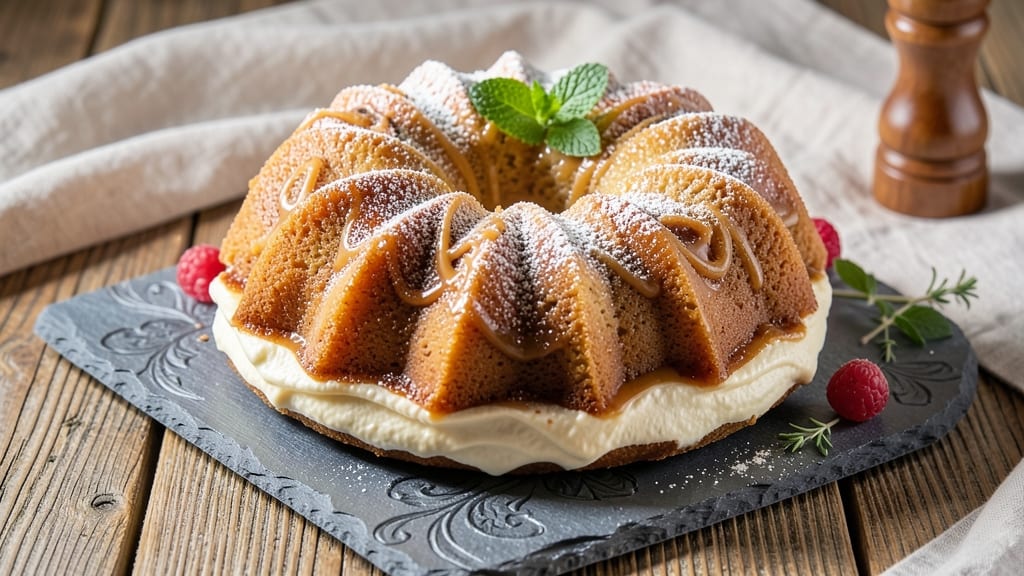
This anything bundt cake recipe delivers the perfect rise every time, with a caramelized cheese swirl that transforms ordinary cake into something extraordinary. The secret lies in proper greasing, precise mixing, and understanding when that cake is truly done—no more dry centers or soggy bottoms. I've perfected this technique over years of baking, and it's the one recipe my family begs me to make for holidays and special occasions.
The magic begins with a well-greased Bundt pan and a simple yet foolproof batter that combines classic cake ingredients with a rich, melted cheese filling. You'll need to mix the dry ingredients separately from the wet, then gently fold them together to maintain that signature light, airy texture. The cheese swirl adds a luxurious, slightly sweet contrast that makes each slice feel like a decadent treat.
Once baked to a golden finish and tested with a toothpick, you'll have a cake with a tender crumb and that perfect rise—no collapsing, no cracks. The caramelized cheese in the center creates pockets of gooey goodness that pair beautifully with a dusting of powdered sugar or a drizzle of chocolate ganache. This isn't just bundt cake; it's a showstopper that impresses even the most critical dessert lovers.
Ready to master this technique? Whether you're baking for a celebration or simply craving something special, this recipe delivers restaurant-quality results with minimal effort. Let's get started on creating your perfect bundt cake.
Ingredients for anything bundt cake
Twelve classic ingredients transform into a showstopping Bundt cake with golden rise and gooey cheese swirls.
| Ingredient | Amount | Notes |
|---|---|---|
| All-Purpose Flour 🌾 | 3 cups | Sifted for light texture |
| Granulated Sugar 🍬 | 2 cups | White or light brown |
| Cream Cheese (Full-Fat) 🧀 | 8 oz | Room temperature, not low-fat |
| Unsalted Butter (Room Temperature) 🧈 | 1 cup | Softened but not melted |
| Large Eggs 🥚 | 4 whole | Room temperature for best mixing |
| Milk (Room Temperature) 🥛 | 1 cup | Whole milk preferred |
| Vanilla Extract 🌿 | 2 tsp | Pure, not imitation |
| Baking Powder 🍞 | 2 tsp | Aluminum-free preferred |
| Salt 🧂 | ½ tsp | Fine sea salt |
| Powdered Sugar 🍬 | 1 cup | For dusting and garnish |
| Vegetable Oil (For Greasing) 🫒 | ¼ cup | For Bundt pan |
| Semisweet Chocolate Chips (Optional) 🍫 | 1 cup | For extra richness |
| White Chocolate Chips (Optional) 🍫 | 1 cup | For swirl variation |
The cream cheese and butter are non-negotiable for that signature swirl—full-fat only (none of that low-fat nonsense). I always grab Philadelphia brand from the dairy case, but any good-quality cream cheese works. For the butter, Land O'Lakes or Plugrá are my go-tos, but any unsalted stick butter will do. Room temperature is key—both should be soft enough to press with a finger but not greasy. The Bundt pan? Wilton is the gold standard, but any non-stick pan with a good pattern works. Grease it well with vegetable oil and dust with flour—no butter greasing here, or the cheese will burn.
No vanilla extract? Almond extract at half the amount works in a pinch, but it does change the flavor. The chocolate chips are optional but worth it—Ghirardelli or Hershey's both work, but avoid the dollar-store brands (they melt funny). Swapping the powdered sugar for confectioners' sugar is fine, but don't use granulated—it won't dissolve right. For a citrus twist, add 1 tbsp of lemon zest to the batter. And if you're feeling fancy, fold in 0.5 cup of crushed pineapple (drained) for a tropical anything Bundt variation. The milk can be swapped for buttermilk if you're feeling adventurous, but whole milk keeps it classic.
This cake keeps beautifully—3 days at room temperature wrapped in plastic, or 1 week in the fridge. For longer storage, freeze the whole cake (unfrosted) for up to 3 months. Thaw overnight in the fridge, then bring to room temp before slicing. Pro tip: Dust with powdered sugar right after baking while it's still warm—it melts into the crevices and makes every slice feel extra special. Leftovers? Toasted bread with a dollop of whipped cream turns them into dessert sandwiches—trust me on this.
Why You'll Love This Recipe
- No Mixer Needed: I swear by this—just a bowl and a spoon. The cream cheese and butter blend together so smoothly without overworking, and the eggs hold everything just right. No stand mixer? No problem.
- Rich Without Effort: That full-fat cream cheese and sugar combo? Chef’s kiss. It’s got this velvety density that makes it feel fancy, but honestly, it’s foolproof. The butter keeps it moist for days, and the eggs add that perfect rise—no weird dry spots here.
- Party or Breakfast: Between us, this cake is my go-to for brunch or dessert. Drizzle it with glaze for a birthday cake vibe, or eat it plain with coffee—no judgment. It’s the one dessert that works for any occasion without needing a theme.
- Budget-Friendly Luxury: I make this for $5 and feed six people. Flour, sugar, and cream cheese stretch far, and leftovers? They last. Microwave a slice for a lazy afternoon, or slice it cold for a no-fuss treat. Practical, delicious, and guilt-free.
Step-by-step instructions for a perfect anything Bundt cake
Here's how to create a flawless Bundt cake with that signature caramelized cheese swirl.
Prepare the Bundt Pan for Flawless Release
Preheat your oven to 350°F while you prepare the pan. Generously grease the entire Bundt pan using the 0.25 cup vegetable oil, then dust it thoroughly with 3 tablespoons of the 3 cups all-purpose flour, tapping out any excess. I like to use a pastry brush for the oil—it gets into all those intricate crevices. This double-layer method ensures the cake won't stick, even in the tightest grooves.
The key here is patience—don't rush the greasing. Let the oil absorb for 30 seconds before dusting with flour. This creates a non-stick barrier that works better than any commercial spray. I've learned the hard way that skimping on this step leads to cake disasters when trying to remove it from the pan.
Cream Butter and Sugar for Maximum Lightness
In a stand mixer fitted with the paddle attachment, beat the 1 cup unsalted butter (room temperature) and 2 cups granulated sugar on medium speed for 3-4 minutes until light and fluffy. You'll know it's ready when the mixture nearly doubles in volume and leaves faint ribbons when the beaters are lifted. This step is non-negotiable—properly creamed butter and sugar create that tender crumb we all love.
Here's the thing—don't be tempted to rush this. I've seen people cut this step short, and the result is a dense, cakey texture instead of the light, airy crumb we're after. Scrape down the sides of the bowl every 30 seconds to ensure even mixing. The butter should be completely smooth with no visible lumps.
Incorporate Eggs and Dry Ingredients
Add the 4 whole large eggs (room temperature) one at a time, mixing on low speed after each addition until fully incorporated. Then stir in the 1 cup milk (room temperature), 2 teaspoons vanilla extract, and the remaining 2.97 cups all-purpose flour (after reserving 3 tbsp for greasing). Mix on low speed just until combined—you should still see some flour streaks.
This is where the magic happens. The eggs add structure while the milk provides moisture. I always use room temperature eggs because they blend more smoothly into the batter. After adding the dry ingredients, give the batter one final mix on low speed for 10 seconds—just enough to combine without developing gluten. Overmixing here leads to tough cake.
Prepare the Cheese Swirl Filling
In a separate bowl, beat the 8 oz cream cheese (full-fat) with the 1 cup powdered sugar and 1 teaspoon vanilla extract until completely smooth. This mixture should be thick but spreadable—almost like frosting consistency. If it's too thick, add 1 teaspoon milk at a time until it reaches the perfect texture. The cream cheese should be at room temperature for this step.
This is your signature element—the caramelized cheese swirl that makes Bundt cakes special. I like to divide this mixture into 3 equal portions in small bowls. This makes it easier to pipe later without making a mess. The powdered sugar helps balance the richness of the cream cheese while keeping the swirl stable during baking.
Assemble and Bake to Golden Perfection
Pour half of the cake batter into the prepared Bundt pan. Then pipe one-third of the cheese mixture in a zigzag pattern across the center. Add another third of the batter, then pipe another third of the cheese mixture. Finish with the remaining batter, gently swirling the pan to create the characteristic marbled effect. If using chocolate chips, sprinkle them evenly over the top layer.
Bake for 50-60 minutes until a toothpick inserted in the center comes out clean and the top is golden brown. The cake is done when it springs back slightly when pressed in the center. I usually start checking at the 45-minute mark—every oven runs hot or cold, so this gives you a buffer. The cheese swirl should be caramelized but not browned to a crisp.
Cool and Serve with Confidence
Remove the cake from the oven and let it cool in the pan for 10 minutes. Then invert it onto a wire rack to cool completely. Here's my pro tip: run a thin knife around the edges before inverting to loosen any potential sticking. The cake will be fragile when first removed, so work carefully to avoid breaking it.
Once completely cooled, dust the top with additional powdered sugar and serve. The cheese swirl should be beautifully caramelized with a glossy sheen. Each slice should reveal that perfect marbled pattern throughout. This cake tastes best at room temperature, so serve it within 2-3 hours of baking for the ultimate experience.
Pro Tips For Making Anything Bundt Cake
- Cream Cheese First: Whip the full-fat cream cheese with the butter before adding sugar—this keeps the batter smooth and prevents lumps. I used to add everything at once, and the texture always ended up grainy, no matter how much I mixed.
- Skip the Overmixing: Once the flour goes in, mix just until combined—overworking the batter makes bundt cakes dense. I learned this after a dry, brick-like lemon bundt that tasted like it needed more moisture. Two minutes max with a spatula.
- Grease the Bundt Well: Use 2 tablespoons of melted butter plus a dusting of flour (or cornstarch) to coat the pan—no sticking, ever. I used to half-measure, and the cake always tore when unmolding. (Yes, even if you’re impatient like me.)
- Test for Doneness Early: Pull the cake when the center reads 190–200°F—it’ll keep rising as it cools. I’ve walked away too long, and the edges burned while the middle stayed doughy. A toothpick test works, but trust the thermometer for consistency.
Troubleshooting this dish
Cake Stuck in Pan
If your bundt cake refuses to release cleanly, it's almost always a greasing issue. I've found that even with proper greasing, some pans need extra help. Immediately after baking, run a thin, flexible offset spatula around the edges and between the ridges to loosen the cake. If that doesn't work, invert the hot pan onto a wire rack, then gently tap the sides against the counter. Never force it—patience prevents breakage. For stubborn cases, chill the pan for 5 minutes in the fridge before trying again. 💡
Dense or Heavy Texture
A dense bundt cake usually means overmixing or incorrect ingredient temperatures. Start by ensuring your butter, eggs, and milk are room temperature—cold ingredients create dense crumbs. Also, mix the dry ingredients and wet ingredients separately before combining. When folding in the dry ingredients, stop as soon as they're just combined—overmixing develops gluten, which makes the cake tough. If you've already mixed too much, reduce baking time by 5-10 minutes to compensate. 🌾
Cheese Swirl Not Caramelized
The cheese filling should be golden and caramelized, not pale and undercooked. If yours stays white, your oven may run too cool or the cheese mixture was too thick. First, verify your oven temperature with an oven thermometer—many ovens run 25°F hotter or cooler than set. If your oven is accurate, thin the cheese mixture with 1-2 teaspoons milk before piping. For extra caramelization, broil the cake for 1-2 minutes at the end of baking, watching closely to avoid burning. 🧀
Cracked Top or Sinking Center
Cracks or a sunken center usually mean the cake baked too long or the oven was too hot. Start checking for doneness at 45 minutes—a toothpick should come out with moist crumbs, not wet batter. If the cake sinks after baking, it likely needed 5-10 minutes less time. For future bakes, reduce the oven temperature by 25°F and bake for 5-10 minutes longer to ensure even cooking. A dark-colored Bundt pan heats faster than light-colored ones, so adjust accordingly. ⏱️
No Rise at All
If your bundt cake stays flat, check your baking powder first—old or expired leavening agents lose potency. Replace yours with fresh baking powder (look for "double-acting" on the label). Also, ensure your oven is fully preheated—cold ovens cause poor rise. For extra insurance, place a baking sheet on the lower rack during baking to help distribute heat evenly. If you're using a new Bundt pan, it may need to be seasoned—bake it empty at 350°F for 30 minutes before your first cake. 🔥
Nutrition facts
Frequently asked questions
Can I make this bundt cake without a Bundt pan?
Use a 9-inch round cake pan or loaf pan instead. Grease it well with butter or oil, then dust with flour. The cheese swirl will still work beautifully—just pipe it in a spiral pattern before adding the final layer of batter. Bake times will vary slightly (35-45 minutes for round pans), but the texture remains the same.
How do I store leftovers to keep them fresh?
Wrap the cake tightly in plastic wrap and store at room temperature for up to 3 days. For longer storage, refrigerate for 1 week or freeze for 3 months. Thaw overnight in the fridge before serving. Pro tip: Dust with powdered sugar before wrapping to keep it moist.
What's the secret to the perfect cheese swirl?
The magic is in the room-temperature cream cheese and proper piping technique. Beat it until completely smooth, then pipe in a zigzag pattern before adding the final batter layer. For extra caramelization, bake at 350°F until the swirl turns golden—about 50-60 minutes. If it stays pale, broil for 1-2 minutes at the end.
Can I substitute cream cheese with something else?
For a dairy-free option, use vegan cream cheese (like Kite Hill) or blend 1 cup silken tofu with 1/2 cup powdered sugar. For a lighter texture, try ricotta cheese mixed with 1/4 cup milk—it creates a similar swirl but with a milder flavor. Always adjust sweetness to taste.
Why did my bundt cake collapse after baking?
This usually happens from overbaking or opening the oven too soon. Check for doneness at 45 minutes—a toothpick should have moist crumbs, not wet batter. If it collapses, your oven may run hot. Try reducing temperature by 25°F next time. Also, avoid moving the pan while baking.