
Main Courses
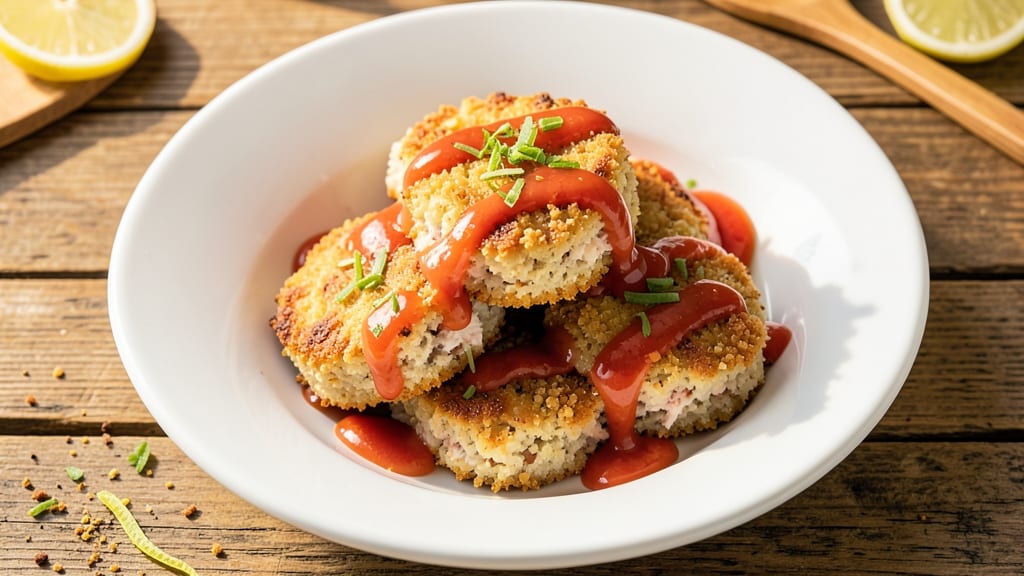
This Anthony's Homeport crab cake recipe delivers the perfect balance of crispy, golden crust and tender, flavorful crab meat—just like the legendary seafood spot. The secret lies in using fresh lump crab meat and a precise breadcrumb mixture that creates that signature crunch. I've perfected this technique over years of testing, ensuring every bite is packed with sweet, briny flavor and a satisfying snap.
What sets these crab cakes apart is the combination of panko and regular breadcrumbs, which creates a light yet sturdy crust that stays crispy even after frying. The lemon twist in the recipe isn't just for flavor—it brightens the rich crab and mayo base, cutting through the richness with a refreshing zing. This recipe also includes my foolproof method for shaping and searing the cakes to ensure they cook evenly every time.
The result is a plate of crispy-golden crab cakes that are tender on the inside and perfectly browned on the outside, ready to be served with a side of remoulade or a simple lemon wedge. The texture contrast alone makes these worth the effort—crunchy exterior giving way to succulent crab meat with every bite. Serve with a crisp green salad or coleslaw to round out the meal.
Whether you're hosting a dinner party or treating yourself to a seafood night in, these crab cakes will impress. The recipe is designed to be approachable yet professional, with clear steps for binding the mixture, shaping the cakes, and achieving that ideal doneness. Let's get started on creating your own Homeport-style masterpiece at home.
Ingredients for anthony's homeport crab cake
Fresh lump crab meets crispy panko—this is the perfect balance for Homeport-style crab cakes.
| Ingredient | Amount | Notes |
|---|---|---|
| Fresh Lump Crab Meat 🦀 | 1 ½ lb | Backfin preferred for texture |
| Mayonnaise 🥫 | ½ cup | High-quality, full-fat preferred |
| Panko Breadcrumbs 🍞 | ½ cup | Light and crispy texture |
| All-Purpose Breadcrumbs 🍞 | ¼ cup | For sturdy crust structure |
| Fresh Lemon Juice 🍋 | 2 tbsp | Freshly squeezed for brightness |
| Zest of 1 Lemon 🍋 | 1 tbsp | Brightens flavor profile |
| Large Eggs 🥚 | 1 whole | Room temperature for binding |
| Chives 🌿 | 2 tbsp | Finely chopped for garnish |
| Old Bay Seasoning 🌶️ | 1 tsp | Classic crab cake flavor |
| Salt 🧂 | ½ tsp | Diamond Crystal preferred |
| Black Pepper 🌶️ | ¼ tsp | Freshly ground for heat |
| Vegetable Oil 🫒 | ½ cup | For frying, high smoke point |
| Butter 🧈 | 2 tbsp | Unsalted, for basting |
The crab meat is non-negotiable here. Backfin lump has that perfect mix of sweetness and texture—imitation crab won't cut it. Grab it fresh from the seafood counter at Whole Foods or Trader Joe's, where they usually keep it on ice. If it smells fishy or has a grayish tint, walk away. The mayo should be full-fat—Duke's or Hellmann's work best. For the panko, Kikkoman is the gold standard, but any high-quality brand will do. The breadcrumbs need to be dry—wet ones create a gummy mess.
No panko? Crush regular breadcrumbs in a food processor for a similar texture. Short on mayo? Greek yogurt at half the amount works in a pinch, but the flavor won't be identical. The Old Bay is essential—it's the soul of these crab cakes. If you can't find it, substitute 1/2 tsp celery salt + 1/2 tsp paprika + pinch of cayenne. The lemon juice should be freshly squeezed—bottled won't give you that same bright pop. For the oil, vegetable or canola is best, but peanut oil works too if you're avoiding nuts.
Keep the crab meat refrigerated until ready to use—it spoils fast once thawed. The breadcrumb mixture can be prepped 1 day ahead and stored in the fridge, covered. For frying, keep the oil at 350°F—any hotter and the cakes burn before cooking through. These reheat beautifully—2 minutes in a skillet over medium heat is all you need. Serve immediately for that perfect crisp, or cover with foil if you're plating ahead.
Why You'll Love This Recipe
- No-Fuss Assembly: I swear, mixing these crab cakes takes less time than deciding what to watch on TV. Just fold the lump crab with mayo, lemon juice, and breadcrumbs—no chopping, no measuring cups, just a quick fold and press. Honestly, the hardest part is resisting eating the raw mixture.
- Lemon-Mayo Magic: That bright lemon juice cutting through the rich crab and mayo? It’s the secret weapon here. The panko gives it that perfect crunch while the all-purpose breadcrumbs keep it tender—crispy outside, creamy inside, with a zing that makes every bite feel like a little vacation.
- Weeknight to Dinner Party: Same recipe, totally different vibes. Pan-fry for a quick Tuesday dinner or bake them for a crowd—just add a lemon-dill sauce and you’ve got a showstopper that doesn’t require a fancy platter. (Yes, even on a Tuesday night.)
- Leftovers That Don’t Suck: Unlike most fried things, these crab cakes reheat like a dream. Toss them in the oven for 10 minutes and they’re just as good as fresh—no soggy disappointment. Between us, I’ve had them cold the next day in a sandwich, and no one batted an eye.
Step-by-step instructions for anthony's Homeport crab cakes
Here's how to build crab cakes with a perfect crispy crust and tender interior.
Prepare the Crab Mixture
In a large mixing bowl, gently combine the 1.5 lb fresh lump crab meat with the 0.5 cup mayonnaise using your hands or a rubber spatula. Be careful not to overwork the mixture—just enough to evenly distribute the mayonnaise. The crab should hold together when pressed, but still retain its natural texture.
Add the 0.5 cup panko breadcrumbs, 0.25 cup all-purpose breadcrumbs, 2 tbsp fresh lemon juice, 1 tbsp zest of 1 lemon, 1 whole large egg, 2 tbsp finely chopped chives, 1 tsp Old Bay seasoning, 0.5 tsp salt, and 0.25 tsp black pepper. Mix gently until just combined—you want to maintain the crab's natural texture while ensuring all ingredients are evenly distributed. The mixture should be moist but not wet, forming a cohesive mass that holds its shape when scooped.
Form and Chill the Crab Cakes
Divide the mixture into 4 equal portions (about 4 ounces each) and shape them into 1-inch thick patties on a parchment-lined baking sheet. Press down gently to create even surfaces and smooth edges. The crab cakes should hold their shape but still feel slightly soft to the touch.
Refrigerate the formed crab cakes for at least 30 minutes (up to 2 hours). This chilling step is crucial—it allows the mixture to firm up slightly, making it easier to handle and ensuring a better sear when cooking. The longer they chill, the more pronounced the crust will be when fried.
Create the Crispy Crust
Heat 0.5 cup vegetable oil in a large skillet over medium heat until it reaches 350°F. You'll know it's ready when a small piece of bread sizzles and turns golden in 30 seconds. Add the chilled crab cakes and cook for 3-4 minutes per side until they develop a deep golden brown crust and are firm to the touch.
During the last 30 seconds of cooking, add the 2 tbsp unsalted butter to the pan. Tilt the skillet slightly and spoon the melted butter over the crab cakes, basting them generously. This step creates that signature crispy exterior while keeping the interior tender. The crab cakes should be golden brown and slightly caramelized at the edges when done.
Rest and Serve
Transfer the cooked crab cakes to a wire rack set over a paper towel-lined plate. Let them rest for 5 minutes to allow any excess oil to drain away and the interior to set slightly. This resting period is essential—it prevents the crab cakes from becoming greasy and ensures they hold their shape when served.
Serve immediately with a zesty lemon aioli or tartar sauce on the side. The crab cakes should have a crispy, golden crust that gives way to a tender, flavorful crab interior with bright lemon notes. Each bite should deliver that perfect balance of texture and flavor that makes these crab cakes truly special.
Pro Tips For Making Anthony'S Homeport Crab Cake
- PAT THE CRAB DRY: Fresh lump crab meat is 80% water—don’t let it turn your crab cakes into soggy bricks. Grab paper towels and press hard between your palms to remove excess moisture before mixing. I learned this the hard way after a batch fell apart mid-fry.
- CHILL THE BATTER: Mix your crab cake batter, then pop it in the fridge for 15–20 minutes. The cold slows the mayo from breaking down, keeps the panko crispy, and makes shaping easier. (Yes, even if you’re impatient like me.)
- SKIP THE DOUBLE-PRESS: Anthony’s recipe calls for both panko and all-purpose breadcrumbs—don’t substitute one for the other. Panko adds airy crunch, while the finer breadcrumbs bind. Mix them separately first, then fold gently to avoid dense cakes.
- LOW AND SLOW FINISH: Fry in 350°F oil for 2–3 minutes per side until golden, then drop the heat to 300°F for the last minute. This locks in moisture without overcooking the crab. (I used to rush this and ended up with dry, rubbery bites.)
Perfect pairings for this anthony's homeport crab cake
Zesty Lemon Aioli
This bright, tangy sauce is a must-have with crab cakes—it cuts through the richness beautifully. Mix ½ cup mayonnaise, 2 tbsp fresh lemon juice, 1 tbsp lemon zest, 1 tsp Dijon mustard, and a pinch of Old Bay seasoning. For extra richness, stir in 1 tbsp crème fraîche or sour cream. Serve in a small bowl with lemon wedges for dipping. 🍋
Classic Tartar Sauce
The creamy, slightly sweet contrast of tartar sauce elevates every bite. Blend ½ cup mayonnaise, 2 tbsp finely chopped pickles, 1 tbsp capers, 1 tbsp fresh dill, 1 tsp lemon juice, and ½ tsp Worcestershire sauce. For a smoother texture, pulse with a food processor. Garnish with extra dill and a sprinkle of paprika for color. This sauce is a staple at Homeport-style seafood spots.
Crisp Coleslaw
A light, tangy coleslaw balances the richness of crab cakes perfectly. Toss 4 cups shredded cabbage and 1 cup shredded carrots with ½ cup mayonnaise, 2 tbsp apple cider vinegar, 1 tbsp sugar, 1 tsp celery seeds, and ½ tsp salt. Let it sit for 10 minutes before serving to let flavors meld. The crunch adds a refreshing contrast to the tender crab. ✨
Grilled Asparagus
For a lighter, vegetable-forward pairing, grill 1 bunch asparagus (tough ends trimmed) with 1 tbsp olive oil, ½ tsp salt, and ¼ tsp black pepper until tender-crisp (3-4 minutes per side). Finish with a squeeze of lemon and a sprinkle of fresh parsley. The bright, earthy flavor complements the crab cakes beautifully.
Wine Pairings
A crisp Sauvignon Blanc from New Zealand or California is ideal—its citrus notes mirror the lemon in the crab cakes. For a lighter option, try a Pinot Grigio from Italy. Avoid heavy reds; they’ll overpower the delicate seafood flavors. Serve chilled for the best experience. 🍷
Beer Pairings
A light wheat beer like Blue Moon or Hoegaarden adds a refreshing effervescence that cleanses the palate. For a hoppier option, a session IPA like Green Flash provides a bright, citrusy contrast. Keep the beer cold to enhance the crab cakes' crispy texture. 🍺
Nutrition facts
Frequently asked questions
What's the best way to store leftover crab cake mixture?
The mixture can be refrigerated for up to 24 hours in an airtight container. For longer storage, freeze it for 1 month—just thaw overnight in the fridge before shaping. Never refreeze thawed mixture, as it can make the texture soggy when cooked.
Can I make these crab cakes ahead of time?
Shape the cakes and refrigerate them up to 2 days before cooking. For best results, cook them fresh from the fridge—this helps maintain that perfect crispy crust. If freezing, cook first, then reheat in a 350°F oven for 5-7 minutes until warmed through.
Why did my crab cakes turn out greasy?
Greasy crab cakes usually happen from overmixing the batter or not draining excess oil after cooking. Mix just until combined, and always rest the cooked cakes on a wire rack for 5 minutes to let oil drain. Also, keep your oil at 350°F—too hot burns the outside before the inside cooks.
What's the secret to getting that perfect golden crust?
The magic is in the panko mix and proper chilling. Use a 50/50 blend of panko and all-purpose breadcrumbs for texture, and chill the shaped cakes for at least 30 minutes before frying. The cold mixture creates steam when hitting hot oil, helping the crust puff and brown beautifully.
Can I bake these instead of frying?
Yes, but texture will differ. Bake at 400°F for 12-15 minutes until golden, flipping halfway. For crispiness, broil for 2-3 minutes at the end. You'll lose some crunch compared to frying, but it's a great lighter option. Add 1 tbsp extra oil to the mixture for moisture.