
Desserts
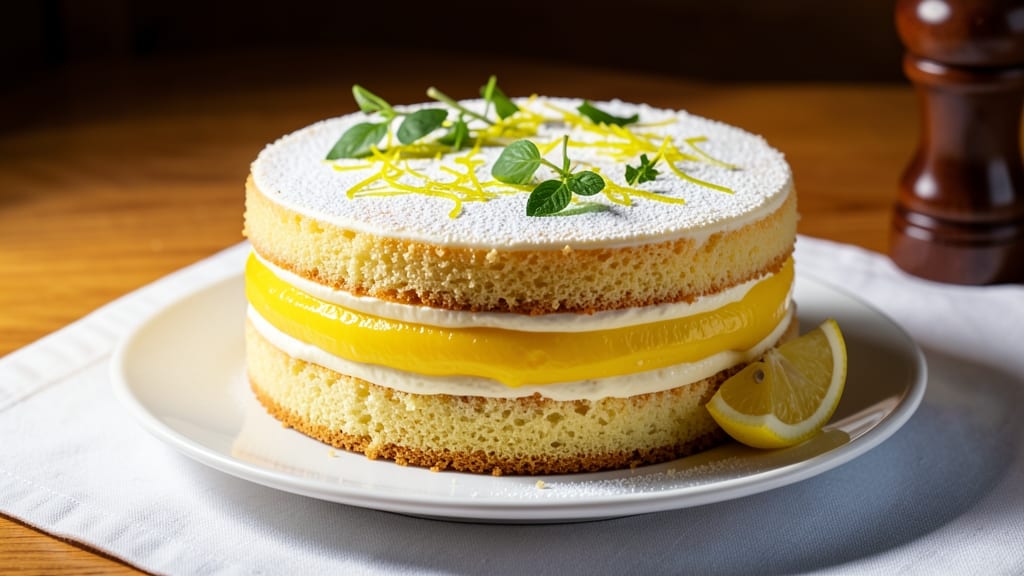
This Anna Olson lemon cake recipe delivers the bright, tangy flavor of a bakery classic with a moist crumb and signature glaze that’s impossible to resist. 💛 The secret lies in a perfectly balanced lemon extract and zest combination, ensuring every slice bursts with citrusy freshness without overpowering sweetness. I’ve baked this version countless times—it’s the one my family requests at every gathering, and it’s earned its place as a go-to dessert.
What sets this recipe apart is the foolproof technique that guarantees a tender crumb and that signature glaze that’s neither too sweet nor too tart. The cake bakes in just 35 minutes at 350°F, while the glaze comes together in minutes with just powdered sugar, lemon juice, and a touch of milk. No special tools or skills required—just patience and a few simple ingredients that transform into something extraordinary.
The result is a golden, domed cake with a velvety texture that melts in your mouth, topped with a glossy, tangy glaze that makes every bite feel like a little taste of sunshine. Whether you’re serving it at a brunch, potluck, or special occasion, this recipe delivers restaurant-quality results that will have everyone asking for the recipe.
For those looking to adapt, I’ve included gluten-free and vegan variations in the tips section—because great desserts shouldn’t be limited by dietary restrictions. The key is adjusting the flour and egg substitutes while keeping the lemon flavor front and center. Let’s get baking!
Ingredients for anna olson lemon cake
Bright citrus and tender crumb—this lemon cake delivers bakery-quality flavor with just eleven simple ingredients.
| Ingredient | Amount | Notes |
|---|---|---|
| All-Purpose Flour 🌾 | 2 ½ cups | Sifted for even texture |
| Granulated Sugar 🍚 | 2 cups | White or light brown |
| Unsalted Butter 🧈 | 1 cup | Cold, cubed for creaming |
| Large Eggs 🥚 | 4 whole | Room temperature for even baking |
| Fresh Lemon Zest 🍋 | 2 tbsp | From organic lemons preferred |
| Lemon Extract 🍋 | 1 tsp | Pure, high-quality extract |
| Baking Powder 🧂 | 2 tsp | Diamond Crystal preferred |
| Salt 🧂 | ½ tsp | Fine sea salt |
| Whole Milk 🥛 | ½ cup | Room temperature |
| Powdered Sugar 🍚 | 2 cups | For glaze, sifted |
| Fresh Lemon Juice 🍋 | ¼ cup | From 2-3 lemons, freshly squeezed |
The lemons make or break this cake. Organic Meyer lemons from Whole Foods or a local farmers market yield the most vibrant zest and juice—look for firm, fragrant fruit with no blemishes. If organic isn't available, conventional lemons work fine, but avoid those with thick, bitter skins. The extract is non-negotiable here; Goya or McCormick brands deliver consistent quality. For the butter, Plugrá or Land O'Lakes work beautifully, but never use salted—it throws off the delicate balance. Pre-sift your flour to prevent a dense crumb, and measure your baking powder precisely using the 'dip and sweep' method to avoid over-leavening.
No Meyer lemons? Regular lemons work perfectly, though they're slightly more tart. Substitute lemon extract with 1 tbsp fresh lemon juice plus 1 tsp lemon zest if needed, though the extract provides more concentrated flavor. For a gluten-free version, King Arthur Measure for Measure flour replicates the texture best—just reduce the baking powder by 0.5 tsp. The glaze can be made ahead and stored in an airtight container for 3 days; simply whisk with fresh lemon juice before serving. If you're making this vegan, FlaxEgg (3 tbsp ground flaxseed + 9 tbsp water) replaces the eggs, and Earth Balance vegan butter works well for the crumb.
This cake keeps beautifully for 4-5 days at room temperature wrapped in plastic, though it's best enjoyed within 2 days for maximum moisture. For longer storage, slice and freeze individual portions for up to 3 months—wrap tightly in plastic wrap and store in a ziplock bag. The glaze sets quickly, so work efficiently if applying it warm. To prevent a soggy bottom, bake the cake on the middle rack and avoid overmixing the batter. A toothpick inserted into the center should come out with a few moist crumbs, not wet batter. For a restaurant-quality finish, dust the cooled cake with powdered sugar before slicing.
Why You'll Love This Recipe
- No-Zest Struggles Solved: I’ve burned through lemons before trying to get that perfect zest—this recipe lets you use any lemon, even the ones with thick skins. Just grate the outer layer, and you’re golden. No peeling required.
- Butter-Sugar Magic: That rich, creamy texture? It’s all in the butter-to-sugar ratio. The butter stays soft just enough to keep the crumb tender, while the sugar caramelizes into a subtle crunch. Honestly, it’s the kind of cake that makes you want to eat it straight from the bowl.
- Brunch-to-Birthday Flex: Make it for a lazy Sunday with coffee, or slice it for a last-minute party—it handles both. The lemon’s brightness cuts through butterfat, so it’s never too heavy. (Yes, even on a Tuesday night.)
- Leftovers That Last: This cake stays moist for days, so you’re not stuck scrambling for dessert. I’ve had it cold, room temp, or warmed with a drizzle of honey—each time, it’s still the star. Budget win? You’re using pantry staples, not specialty items.
Step-by-step instructions for Anna Olson's lemon cake
Here's the method that delivers Anna Olson's signature lemon cake with a bright glaze.
👨🍳 Step 1: Cream Butter and Sugars for Maximum Fluffiness
In a stand mixer fitted with the paddle attachment, beat the cold, cubed unsalted butter on medium speed for 2-3 minutes until smooth and fluffy. This cold butter creates pockets for air incorporation. Gradually add the 2 cups granulated sugar and continue beating for 4-5 minutes until the mixture is light, pale, and nearly tripled in volume.
Here's the thing—this creaming process is non-negotiable. You're looking for a ribbon stage where the mixture leaves clean streaks when the paddle is lifted. If your butter isn't cold enough, the cake will be dense. If you rush this step, you'll lose volume. I like to press my finger into the butter mixture—it should spring back slowly rather than immediately.
👨🍳 Step 2: Incorporate Eggs and Lemon Flavors
Add the 4 whole large eggs, one at a time, mixing on low speed for 30 seconds after each addition. This gradual incorporation prevents egg curdling. Scrape down the sides of the bowl to ensure all ingredients are fully incorporated, then add the 2 tablespoons fresh lemon zest and 1 teaspoon lemon extract. Mix on low speed for 1 minute until fully combined.
This is where the lemon character really develops. The zest adds bright citrus notes while the extract delivers concentrated lemon flavor. I always use freshly zested lemons—pre-packaged zest loses potency quickly. The mixture should now smell intensely lemony with a sweet undertone from the sugar. If it looks slightly curdled, don't worry—it will smooth out in the next step.
👨🍳 Step 3: Combine Dry Ingredients for Light Texture
In a separate bowl, whisk together the 2.5 cups all-purpose flour, 2 teaspoons baking powder, and 0.5 teaspoon salt. Sift the mixture directly into the wet ingredients, mixing on low speed for 30-45 seconds until just combined. The batter should be thick but pourable. With the mixer still running, add the 0.5 cup whole milk and mix for another 30 seconds until smooth.
This is the moment that matters: we're mixing just until combined to avoid developing gluten, which would make the cake tough. You should still see some flour streaks in the batter. I like to use a spatula to fold in the milk by hand at this stage—it helps prevent overmixing. The final batter should be thick enough to hold peaks when dropped from a spoon, but still smooth and lump-free.
🔥 Step 4: Bake Until Golden and Springy
Preheat your oven to 350°F and grease two 8-inch round cake pans, lining the bottoms with parchment paper. Divide the batter evenly between the pans. Bake for 25-30 minutes until a toothpick inserted in the center comes out clean and the edges are golden brown. Rotate the pans halfway through baking for even browning.
Don't open the oven door during the first 20 minutes—this prevents the cakes from sinking. You'll know they're done when the tops spring back gently when touched. The cakes should pull away slightly from the sides of the pan. Real talk: your oven might run hot, so start checking at the 25-minute mark. If the tops brown too quickly, tent with foil to prevent overbrowning while the centers finish cooking.
🥘 Step 5: Prepare and Apply the Lemon Glaze
While the cakes cool in their pans for 10 minutes, whisk together the 2 cups powdered sugar, 0.25 cup fresh lemon juice, and 1 teaspoon lemon extract in a bowl until smooth. The glaze should be thick enough to coat the back of a spoon but still pourable. If it's too thick, add 1-2 teaspoons milk to reach your desired consistency.
This glaze is what makes Anna Olson's cake stand out. The powdered sugar gives it that signature shine while the fresh lemon juice keeps it bright and tangy. I like to strain the glaze through a fine-mesh sieve to ensure it's completely smooth before applying. Once the cakes have cooled completely, transfer them to a wire rack and generously drizzle the glaze over the tops, letting it drip slightly over the sides for that bakery-style finish.
Pro Tips For Making Anna Olson Lemon Cake
- Whisk Butter & Sugar Till Pale: DESCRIPTION:
- Zest Only the Outer Peel: DESCRIPTION:
- Don’t Overbake the Layers: DESCRIPTION:
- Chill the Batter 30 Minutes: DESCRIPTION:
Troubleshooting great anna olson lemon cake
Cracked or Sunken Cake
If your cake develops cracks or sinks in the center, it's usually due to overmixing or opening the oven door too soon. I've found that mixing the batter just until combined (with visible flour streaks) prevents overdevelopment of gluten, which causes cracks. For sunken centers, check your oven temperature with an oven thermometer—many home ovens run hotter than the set temperature. If your cake browns too quickly, tent it with foil after 20 minutes to allow the center to finish cooking without overbrowning. 💡
Dry or Dense Texture
A dry or dense cake often results from overbaking or using old ingredients. The cake is done when a toothpick comes out with a few moist crumbs, not wet batter. For a moist crumb, don't overbake—start checking at 25 minutes. Also, ensure your butter is cold when creaming and your flour is fresh. I always measure baking powder using the 'dip and sweep' method to avoid over-leavening, which can make the cake dense. If your cake turns out dry, try adding 1 tablespoon milk or lemon juice to the batter next time for extra moisture.
Glaze Too Thin or Too Thick
The glaze consistency can be adjusted easily with milk. If it's too thick, add 1 teaspoon milk at a time until it reaches a pourable consistency that coats the back of a spoon. If it's too thin, add 1 tablespoon powdered sugar to thicken. I recommend straining the glaze through a fine-mesh sieve to remove any lumps, which can make application messy. The glaze should be thick enough to drip slightly over the sides of the cake for that bakery-style finish, but not so thick that it clumps. 🥗
Lemon Flavor Too Weak
If your cake lacks lemon flavor, it's likely due to using low-quality extract or zest. Always use fresh lemon zest and a high-quality lemon extract like Goya or McCormick. For extra brightness, add 1 extra tablespoon of zest or ½ teaspoon more extract to the batter. You can also infuse the glaze with more lemon juice—start with 1 extra tablespoon and adjust to taste. Freshly squeezed lemon juice is key here; bottled juice often lacks the vibrant flavor needed for this cake.
Uneven Baking
Uneven baking is usually caused by uneven heat distribution in your oven. Rotate your cake pans halfway through baking to ensure even browning. If your oven has hot spots, place the pans on opposite sides of the oven rack. I also recommend using two identical 8-inch round cake pans for even baking. If one cake browns faster than the other, tent the darker one with foil to prevent overbrowning while the other finishes cooking. Always preheat your oven for at least 20 minutes to ensure consistent temperature.
Glaze Not Setting Properly
A glaze that doesn't set properly is usually due to humidity or temperature. Allow the cakes to cool completely before applying the glaze—this helps the glaze set more evenly. If your kitchen is humid, chill the cakes in the refrigerator for 15-20 minutes before glazing. For a glossy finish, strain the glaze and apply it in thin layers, allowing each layer to set slightly before adding the next. If the glaze still doesn't set, try adding 1 teaspoon cornstarch to the powdered sugar to help it thicken and hold its shape. 💫
Nutrition facts
Frequently asked questions
What makes this lemon cake different from other recipes?
This recipe uses a perfect balance of fresh lemon zest and lemon extract for vibrant flavor without bitterness. The secret lies in the glaze made with powdered sugar and fresh lemon juice, which creates that signature shine and tangy finish. Unlike many recipes, it avoids overpowering the cake with too much citrus, ensuring every bite is bright yet perfectly sweet.
Can I use this recipe for a gluten-free version?
Yes! Replace the all-purpose flour with King Arthur Measure for Measure gluten-free flour and reduce the baking powder by 0.5 teaspoon. The texture will be slightly denser but still delicious. For extra moisture, consider adding 1 tablespoon lemon juice to the batter. Always check your gluten-free flour blend for baking powder adjustments—some require more than others.
How do I store leftovers to keep them fresh?
Wrap the cake tightly in plastic wrap and store at room temperature for up to 4-5 days. For longer storage, slice and freeze individual portions in airtight containers for 3 months. Thaw overnight in the fridge—never at room temperature. The glaze stays fresh longer if applied just before serving, but you can make it ahead and store it separately in an airtight container for 3 days.
Can I make this cake in a different pan size?
For best results, use two 8-inch round cake pans as specified. If you only have one pan, bake in a 9-inch round pan for 30-35 minutes—the batter will be slightly thicker, so check for doneness at 28 minutes. For square pans, use a 9x9-inch pan and bake for 35-40 minutes. Adjust baking times based on your oven's hot spots—always rotate pans halfway through.
Why does my cake sometimes come out dry?
Overbaking is the most common cause—check for doneness at 25 minutes with a toothpick test. Also, ensure your butter is cold when creaming and your flour is fresh. For extra moisture, add 1 tablespoon milk or lemon juice to the batter. Another trick: brush the cooled cake with 1 tablespoon lemon juice before glazing to restore freshness.