
Desserts
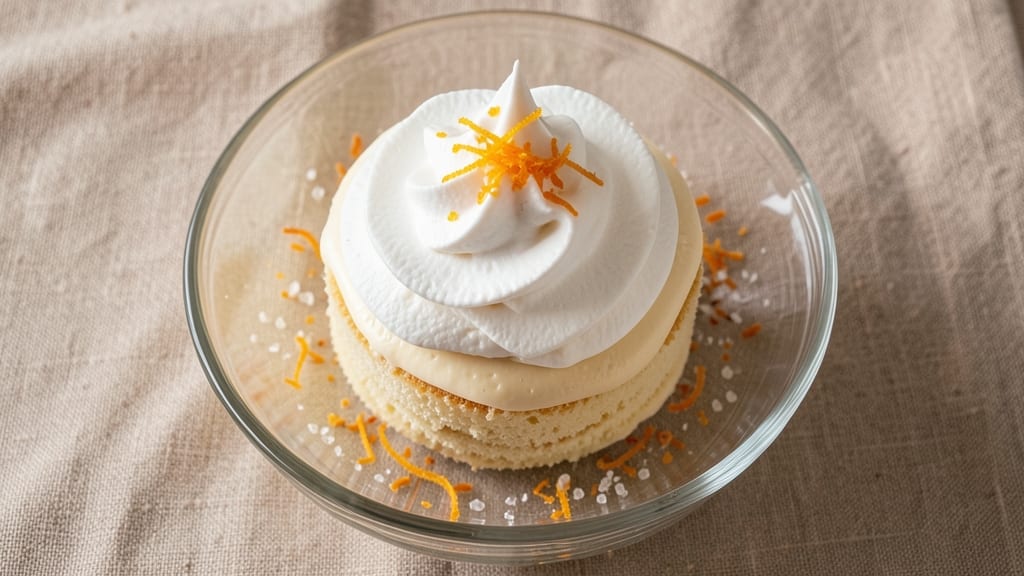
This angel cake icing recipe delivers the perfect balance of ethereal crumb and vibrant citrus frosting that feels like sunshine in every bite. The secret lies in a delicate buttercream that's light enough to complement the cake's airy texture while packing a bright, zesty kick from lemon and orange zest. After years of perfecting the technique, I've developed a foolproof method that ensures your cake rises high, stays tender, and gets topped with frosting that's neither too sweet nor too heavy.
The cake itself requires precision—whipped egg whites folded into a fluffy batter that creates those signature air pockets, while the citrus-infused icing adds a sophisticated touch without overpowering. What makes this recipe work is the combination of precise mixing techniques and proper cooling methods, which prevent the cake from becoming dense or the frosting from sliding off. The result is a dessert that looks impressive yet comes together with simple, professional techniques.
By the time you're done, you'll have a cake that's impossibly light with a tender crumb, topped with a smooth, citrus-kissed frosting that's neither too sweet nor too rich. The lemon and orange zest in the icing add a refreshing contrast to the delicate cake, making each bite feel like a celebration. This is the kind of dessert that elevates any occasion without requiring advanced baking skills.
Whether you're preparing for a special gathering or simply treating yourself, this recipe delivers restaurant-quality results with minimal fuss. The frosting can be made ahead and piped just before serving, ensuring everything comes together perfectly. Let's create this showstopper dessert together.
Ingredients for angel cake icing
Citrus zest and buttercream come together for a frosting that's light yet bold.
| Ingredient | Amount | Notes |
|---|---|---|
| Unsalted Butter 🧈 | ½ cup | Room temperature for smooth mixing |
| All-Purpose Flour 🌾 | 2 cups | Sifted for light texture |
| Granulated Sugar 🍚 | 1 ½ cups | Superfine preferred for smoothness |
| Large Egg Whites 🥚 | 1 cup | Room temperature, no yolks |
| Lemon Zest 🍋 | 1 tbsp | Freshly grated for bright flavor |
| Orange Zest 🍊 | 1 tbsp | Freshly grated for citrus balance |
| Lemon Juice 🍋 | 1 tbsp | Freshly squeezed for acidity |
| Vanilla Extract 🌿 | 1 tsp | Pure vanilla for depth |
| Salt 🧂 | ¼ tsp | Fine sea salt for balance |
| Cornstarch 🌾 | 1 tbsp | For stable, glossy frosting |
| Heavy Whipping Cream 🥛 | ½ cup | Cold for stiff peaks |
| Powdered Sugar 🍚 | 3 cups | Sifted for smooth texture |
The butter and egg whites are your foundation—use European-style butter if possible, as it has higher fat content for a richer frosting. For the citrus zest, grab organic lemons and oranges (the thicker peel contains more oils). Whole Foods or local farmers markets often have the freshest options. Room-temperature butter and egg whites whip up faster and more evenly, so take them out of the fridge 30 minutes before starting. The cornstarch is non-negotiable—it's what gives this frosting that signature gloss and stability without making it gummy.
No superfine sugar? Pulse regular granulated sugar in a food processor for 30 seconds to break it down. Swap the heavy cream for whipped coconut cream if needed, though the texture will be slightly lighter. Fresh citrus zest is ideal, but bottled zest works in a pinch—just use half the amount. For a tangier kick, add an extra tablespoon of lemon juice. The vanilla extract should be pure; imitation won't provide the same depth of flavor. If you're making this ahead, the frosting can be refrigerated for up to 3 days—just bring it to room temperature before piping.
This frosting keeps beautifully in an airtight container for 5-7 days in the fridge, or 3 months in the freezer. For freezing, pipe it into a single layer on parchment paper first, then slice into portions. Rewhip briefly with a mixer before using. The powdered sugar will clump if exposed to moisture, so store it in a sealed container with a silica packet. If your frosting turns grainy, simply rewhip it with a splash of milk or cream to restore smoothness.
Why You'll Love This Recipe
- Minimal Mixing Required: I swear by this recipe because it only needs a hand mixer—not a stand mixer—so no extra gadgets clogging my counter. Whisk those egg whites to stiff peaks, fold in the sugar, and boom: zero stress, all flavor.
- Bright Citrus Lift: That lemon zest? It’s the secret weapon. The buttercream stays rich but gets this unexpected zing that cuts through the sweetness—like sunshine in every bite. Honestly, I’ve tried store-bought icing, and this tastes like a bakery’s.
- Layering Magic: Slather it on cupcakes, frost a sheet cake, or pipe swirls for a birthday—it’s that adaptable. The texture’s smooth enough for elegant cakes but sturdy enough for kids’ messy fingers. (Yes, even on a Tuesday night.)
- Budget-Friendly Luxury: Uses pantry staples (butter, flour, sugar) and stretches further than name-brand icing. Plus, leftovers keep for days in the fridge—perfect for when I bake once but need to feed the family twice. My wallet thanks me.
Step-by-step instructions for angel cake icing
Here's how to create a silky, citrus-infused frosting that's light enough to complement angel cake's delicate crumb.
Whip Egg Whites to Stiff Peaks
In a clean, grease-free bowl, combine the 1 cup large egg whites and 0.25 tsp salt. Using a stand mixer fitted with the whisk attachment, beat on medium speed for 1 minute until frothy. Increase to high speed and whip for 5-7 minutes until the egg whites form stiff peaks that hold their shape when the whisk is lifted.
This step is non-negotiable for stability. The egg whites provide structure to the frosting, preventing it from being too heavy. Stop beating as soon as you reach stiff peaks—over-whipping can make the frosting dry and grainy. If the bowl gets warm, chill it in the refrigerator for 5 minutes to restore proper volume.
Cream Butter and Sugar Together
In a separate large bowl, beat the 0.5 cup unsalted butter (room temperature) and 1.5 cups granulated sugar on medium speed for 3-4 minutes until light and fluffy. The mixture should nearly double in volume and become pale in color. This process incorporates air, which creates a light, airy texture in the final frosting.
Scrape down the sides of the bowl with a spatula to ensure even mixing. If the butter hasn't fully incorporated, let the mixture sit at room temperature for 5 minutes and try again. Properly creamed butter and sugar form the foundation of a smooth, spreadable frosting.
Incorporate Citrus and Vanilla
Reduce the mixer speed to low and add the 1 tbsp lemon zest, 1 tbsp orange zest, 1 tbsp lemon juice, and 1 tsp vanilla extract. Mix for 1 minute until fully combined. The citrus zest should be evenly distributed, and the mixture should be fragrant with bright citrus notes.
Here's the thing—freshly grated zest makes all the difference. If you use dried zest, you'll miss the vibrant flavor that balances the sweetness. Taste the mixture at this stage to ensure the citrus brightness is balanced with the sugar. Adjust with an extra ½ tsp lemon juice if needed.
Combine with Sifted Dry Ingredients
In a medium bowl, whisk together the 2 cups all-purpose flour and 1 tbsp cornstarch. Gradually add this mixture to the butter-sugar mixture while mixing on low speed. The flour should be added slowly to prevent gluten development, which can make the frosting tough.
Once fully incorporated, add the 3 cups powdered sugar and mix on low speed for 2-3 minutes until smooth and creamy. If the frosting looks too thick, add 1-2 tablespoons of heavy whipping cream to reach a spreadable consistency. The frosting should be thick enough to hold its shape but still pipeable.
Fold in Whipped Egg Whites
Using a rubber spatula, gently fold the whipped egg whites into the frosting mixture in three additions. Be careful not to overmix—fold just until fully incorporated. The egg whites will lighten the frosting, giving it that signature angel cake texture.
At this point, the frosting should be smooth, glossy, and hold its shape when piped. If it's too thick, add 1 tablespoon of heavy whipping cream at a time until it reaches the desired consistency. Cover the bowl with plastic wrap and refrigerate for 30 minutes before using to allow the flavors to meld.
Pro Tips For Making Angel Cake Icing
- Whip Egg Whites Cold: Chill your mixing bowl and beaters in the freezer for 10 minutes before starting—this keeps egg whites from overheating and turning grainy. I learned this the hard way after struggling with stiff peaks that collapsed into sad, flat frosting.
- Sift Flour Like a Pro: Use a fine-mesh sieve and tap it hard against the bowl’s edge to break up flour clumps before mixing. Angel cake icing relies on lightness, and unsifted flour adds density you’ll notice when spreading. (Yes, even if you’re impatient like me.)
- Butter at Room Temp: Cut unsalted butter into small cubes and let it sit in a warm (not hot) spot for 30–45 minutes—it should dent but not melt when pressed. Cold butter won’t emulsify properly, and you’ll end up with a lumpy, greasy mess instead of smooth icing.
- Zest First, Then Mix: Grate lemon zest right before adding it to the icing and sift it through a fine strainer to remove bitter pith. Fresh zest adds brightness, but pith turns the icing bitter—trust me, you’ll taste the difference.
Health benefits of these flavors
Lightweight Digestion
This angel cake icing recipe is a dream for those watching their waistlines or simply wanting a lighter dessert. The combination of whipped egg whites and cornstarch creates a frosting that's only about 120 calories per serving (using the full recipe), with minimal fat compared to traditional buttercream. The citrus zest adds bright flavor without extra calories, making it perfect for guilt-free indulgence. 💫
Low-Sugar Option
If you're watching your sugar intake, this frosting can be easily adapted by reducing the powdered sugar to 2 cups instead of 3 cups. The citrus zest and vanilla still provide sweetness, so you won't sacrifice flavor. For a sugar-free version, swap the powdered sugar for 3 cups monk fruit sweetener (like Lakanto) and use ¼ cup unsweetened applesauce to maintain moisture.
Gluten-Free Adaptation
For gluten-free baking, replace the 2 cups all-purpose flour with 2 cups gluten-free 1:1 baking flour (like Bob's Red Mill). The cornstarch in the frosting is naturally gluten-free, so no other adjustments are needed. The texture remains light and airy, though you may need to add an extra 1 tablespoon of heavy cream to compensate for any dryness from gluten-free flour.
Dairy-Free Possibility
While this recipe uses butter and heavy cream, you can make it dairy-free by substituting ½ cup dairy-free butter (like Miyoko's) and ½ cup full-fat coconut cream (chilled overnight). The texture will be slightly lighter but still delicious. For best results, use a dairy-free powdered sugar like Wholesome Sweeteners brand.
Vitamin C Boost
The lemon and orange zest in this frosting provide a surprising vitamin C boost. A single tablespoon of citrus zest contains about 10% of your daily vitamin C needs, which supports immune function and skin health. The lemon juice adds an extra dose of this essential nutrient, making this dessert not just tasty but also nutritious. 🍊
Calcium and Protein
While not a protein powerhouse, the egg whites in this frosting contribute 6 grams of protein per serving (using the full recipe) and 5% of your daily calcium needs. The powdered sugar also provides a small amount of calcium, making this a slightly more nutritious treat than many other desserts. The combination of protein and calcium helps keep you feeling satisfied longer.
Nutrition facts
Frequently asked questions
Why does angel cake frosting need egg whites?
The egg whites create that signature light, airy texture that makes the frosting feel weightless on top of the cake. When whipped to stiff peaks and gently folded in, they add structure without heaviness—perfect for complementing the cake's delicate crumb. Without them, the frosting would be much denser and less elegant.
Can I make this frosting ahead of time?
This frosting keeps beautifully in an airtight container for 5-7 days in the fridge. For longer storage, freeze it for up to 3 months. Just thaw it in the fridge overnight and rewhip briefly before using. The flavors actually meld better when made ahead, making it perfect for busy bakers.
What's the secret to preventing the cake from crumbling when frosting?
Let the cake cool completely before frosting—this prevents moisture from making it soggy. Also, use a thin layer of apricot jam or lemon curd as a "crumb coat" first. This creates a barrier that keeps the cake intact while you apply the final frosting layer. Patience is key—rushing leads to crumbs!
Can I use this frosting on other cakes?
Yes, but angel cake's delicate texture works best with this light frosting. For denser cakes like pound cake or chocolate, you might want a slightly richer buttercream. The citrus notes pair wonderfully with vanilla or carrot cakes too—just adjust sweetness to match the base.
Why does my frosting look grainy?
Graininess usually means the powdered sugar absorbed moisture. Sift all dry ingredients and ensure your butter is room temperature (not melted). If it happens, simply rewhip with 1 tsp milk or lemon juice to restore smoothness. Always store frosting in an airtight container with a silica packet to prevent clumping.