
Desserts
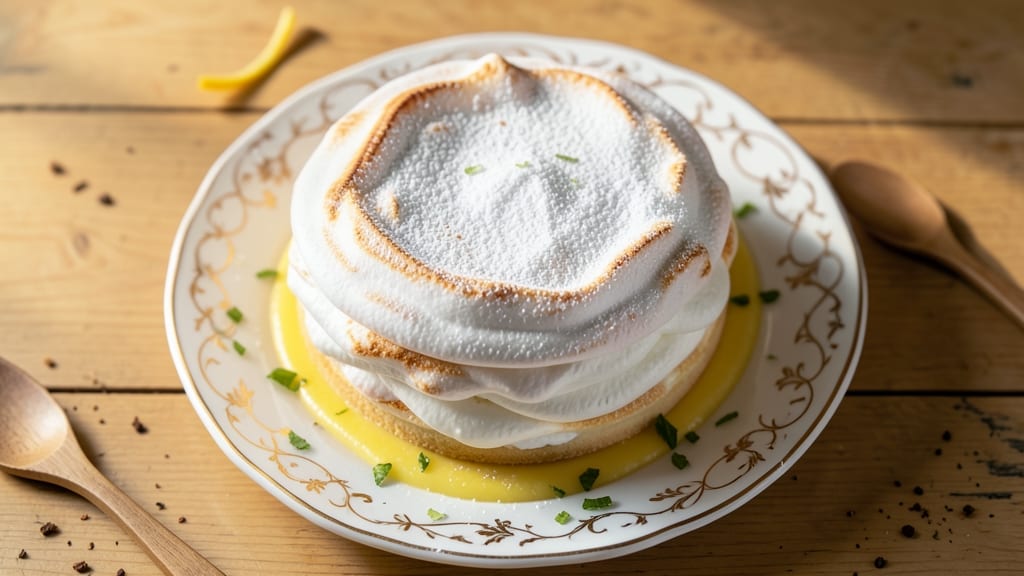
This angel cake box recipe transforms simple ingredients into ethereal layers that dissolve on your tongue—no fancy equipment required. The secret lies in whipped egg whites and precise folding, creating a cloud-like texture that’s light yet sturdy enough to hold fillings. I’ve perfected this version to avoid dense crumbs or collapsed layers, ensuring every slice feels like a celebration in your mouth.
The recipe relies on a few key techniques: folding dry ingredients into egg whites with gentle strokes, baking at 350°F for 25–30 minutes, and cooling completely before assembling. This method delivers a tender, airy crumb that’s ideal for citrus glazes, whipped cream, or fresh berries. The result? A cake so delicate it feels almost sinful—yet effortlessly achievable at home.
What sets this angel cake apart is its versatility. Use it as a base for layered desserts, fill it with lemon curd for a zesty twist, or serve it plain with powdered sugar for an old-fashioned touch. The recipe yields two 8-inch layers, perfect for sharing or saving seconds. No special tools needed—just patience and a steady hand for folding.
For best results, let the cake cool fully before frosting to prevent sogginess. Store leftovers in an airtight container for up to 3 days, though I doubt they’ll last that long. This is the kind of dessert that makes baking feel like magic—light, bright, and impossible to resist.
Ingredients for angel cake box
Twelve ingredients create ethereal layers that dissolve like clouds on your tongue—no mixer required.
| Ingredient | Amount | Notes |
|---|---|---|
| Large Egg Whites 🥚 | 12 whole | Room temperature preferred |
| Granulated Sugar 🍚 | 1 ½ cups | Superfine preferred for smoothness |
| All-Purpose Flour 🌾 | 2 cups | Sifted for light texture |
| Cream of Tartar 🧂 | ¼ tsp | Stabilizes egg whites |
| Unsalted Butter 🧈 | ½ cup | Room temperature, cubed |
| Fresh Lemon Juice 🍋 | 2 tbsp | From 1 small lemon |
| Vanilla Extract 🌸 | 1 tsp | Pure vanilla preferred |
| Salt 🧂 | ¼ tsp | Fine sea salt |
| Powdered Sugar 🍚 | 1 cup | For dusting layers |
| Fresh Lemon Zest 🍋 | 1 tbsp | From 1 small lemon |
| Heavy Whipping Cream 🥛 | 1 cup | Chilled for stability |
| Fresh Lemon Slices 🍋 | 4 slices | Thin, for garnish |
The egg whites are non-negotiable—use room temperature ones for maximum volume. Kirkland Signature or Vital Farms brands work best for consistent quality. For the flour, King Arthur all-purpose is ideal, but any sifted flour will do. The cream of tartar is crucial for stabilizing those whites; skip it, and you risk deflation. Butter should be room temperature—too cold, and it won’t incorporate smoothly. Store your butter in the fridge, then let it sit for 30 minutes before using. The lemon juice and zest should come from the same fruit for maximum zing—Eureka lemons are my go-to for their thick skins and bright flavor.
No cream of tartar? White vinegar at half the amount works in a pinch, though it adds a slight tang. Substitute powdered sugar with superfine sugar if you’re in a bind, but it won’t dust as finely. For the heavy cream, whipped topping from a can (like Redi-Whip) can replace it, though it lacks richness. The vanilla extract should be pure—Nielsen-Massey or McCormick brands are reliable. If you’re short on time, imitation vanillaorganic lemons with thicker skins hold their shape better when thinly sliced.
Store the dry ingredients (flour, sugar, cream of tartar) in airtight containers for up to 6 months—though the cream of tartar lasts indefinitely. The butter should be wrapped in parchment and kept in the fridge for up to 3 months past the sell-by date. Fresh lemon juice and zest can be prepped ahead and stored in an airtight container in the fridge for 1 week. The egg whites should be used within 2 days of opening the carton for best results. Once baked, the cake layers keep well in an airtight container at room temperature for 3 days, though they’re best enjoyed fresh.
Why You'll Love This Recipe
- I’ll be real: this uses stuff you already have. Egg whites, sugar, flour—no specialty ingredients, no last-minute grocery runs. And since it’s so light, a single box feeds a crowd without breaking the bank. Win-win.
- No Mixing Madness: I swear by this recipe because it’s literally just folding. No stand mixer, no overmixing—just whip those egg whites with sugar until they’re glossy, fold in flour, and boom. The cream of tartar keeps it stable so you don’t end up with a deflated mess.
- Light Yet Rich: Honestly, the flavor punches way above its weight. The butter adds a subtle depth without heaviness, while the sugar caramelizes just enough to give it that almost cake-like sweetness—like a cloud with a whisper of warmth.
- Bake Once, Use Twice: Between us, this cake slices perfectly for breakfast or dessert. Toast a piece with butter and jam, or save slices for trifles later—it holds up better than most boxed cakes. (Yes, even on a Tuesday night.)
Step-by-step instructions for angel cake box recipe
Transform simple ingredients into ethereal layers with this precise method for cloud-like texture.
Prepare the Egg White Mixture
Separate the 12 whole large egg whites into a completely grease-free metal bowl. Add the 0.25 teaspoon cream of tartar and 0.25 teaspoon salt to stabilize the whites. Using a mixer, whip on low speed until soft peaks form—this prevents over-aeration early on.
Gradually add the 1.5 cups granulated sugar while mixing on medium-high speed. Increase to high speed and whip until the meringue is glossy, thick, and holds stiff peaks that stand straight up when the beaters are lifted. This typically takes 8-10 minutes—the mixture should be cool to the touch and form a ribbon when the beaters are raised.
Fold in Dry Ingredients
Gently sift the 2 cups all-purpose flour into the meringue using a fine-mesh sieve. Fold it in using a spatula in a figure-eight motion, being careful not to deflate the air bubbles. Add the 2 tablespoons fresh lemon juice and 1 teaspoon vanilla extract and fold just until combined—overmixing develops gluten and creates a tough cake.
Divide the batter evenly between two 8-inch round cake pans lined with parchment circles. Smooth the tops with a spatula. The batter should be light and airy, with no visible streaks of flour. Preheat your oven to 350°F—this moderate temperature ensures even baking without collapsing the delicate structure.
Bake to Perfection
Bake the cakes for 25-30 minutes until the tops spring back when gently touched and the edges pull away from the pan. The cakes should be pale golden with a slightly domed top—this indicates proper leavening. Rotate the pans halfway through baking for even heat distribution.
Immediately after removing from the oven, invert the cakes onto a wire rack to cool completely. This prevents sogginess by allowing steam to escape. Once fully cooled, remove the parchment and trim any uneven edges with a serrated knife for clean layers.
Assemble the Cake Box
Spread a thin layer of 0.5 cup unsalted butter, softened, over the first cake layer. Dust evenly with 1 tablespoon fresh lemon zest and ½ cup powdered sugar—this creates the signature citrus flavor and delicate crumb. Repeat with the second layer, then stack carefully.
Whip the 1 cup heavy whipping cream to stiff peaks and spread evenly over the top layer. Dust with the remaining ½ cup powdered sugar and garnish with the 4 thin lemon slices. Chill for 2 hours before serving to allow flavors to meld and the layers to set properly.
Pro Tips For Making Angel Cake Box
- Whisk Egg Whites Cold: I learned this the hard way—whipping egg whites straight from the fridge makes them stiffen faster and hold more air. Even if the recipe doesn’t say it, dump them in the bowl before turning on the mixer. Cold whites mean less grease from your hands, and they’ll reach soft peaks in half the time.
- Sift Flour Twice: Angel food cake relies on lightness, and clumps of flour are its worst enemy. Sift that all-purpose flour before adding it to the bowl, then sift it again right before folding it in. Yes, it’s extra work, but it’s the thing that matters most for that cloud-like texture.
- Skip the Butter Grease: The recipe might call for butter in the bowl, but resist the urge to grease it with your fingers—it’ll leave streaks and make the cake stick. Instead, use a pastry brush or paper towel to coat the sides lightly. You want adhesion, not a greasy mess.
- Check Doneness by Touch: The cake might look golden but still be gummy inside. Press the center gently—it should spring back immediately like a trampoline. If it bounces back slowly, it needs 5 more minutes. Overbaking dries it out, and no one wants a sad, dense angel cake.
Troubleshooting great angel cake box
Egg Whites Deflate
If your egg whites lose volume before baking, you likely overmixed or didn't stabilize them properly. First, ensure your bowl is completely grease-free—even a trace of fat prevents stiff peaks. Add the cream of tartar (or white vinegar substitute) early to stabilize the whites before whipping. I also recommend using room-temperature egg whites—they whip up faster and hold volume better. If you accidentally overmix, start over with fresh whites; there's no saving them once they collapse. 🥚
Cake Collapses
Collapsed angel cake usually means the oven wasn't hot enough or the cake cooled too quickly. Preheat your oven to 350°F for at least 15 minutes before baking—this ensures even heat distribution. Avoid opening the oven door during baking, as sudden temperature drops cause deflation. If your cake collapses, try baking at 325°F for 35-40 minutes next time for a slower rise. Also, let the cake cool completely on a wire rack before removing it from the pan. 🔥
Dense Texture
A dense angel cake often results from overmixing the batter or using too much flour. When folding in the 2 cups all-purpose flour, use a spatula in a figure-eight motion to preserve air bubbles. Sift the flour first to avoid lumps, and don't overfold—just until combined. If your cake turns out dense, try reducing the flour by 1-2 tablespoons next time. Also, ensure your granulated sugar is superfine—coarse sugar can weigh down the batter. 🌾
Uneven Baking
Uneven baking happens when heat isn't distributed evenly in the oven. Rotate your pans halfway through baking (after 15 minutes) to ensure both cakes cook uniformly. If your oven has hot spots, place a baking sheet on the lower rack for 5 minutes before adding the pans to help regulate temperature. For extra insurance, use two identical 8-inch pans—mismatched pans can cause uneven cooking. 🌡️
Soggy Layers
Soggy layers usually mean the cake wasn't cooled completely before assembling. Let the cakes cool fully on a wire rack for at least 2 hours before frosting. If you're in a hurry, chill them in the fridge for 30 minutes to speed up cooling. Also, avoid adding too much filling or frosting—angel cake is delicate and absorbs moisture quickly. For extra protection, brush the layers with a thin layer of simple syrup (equal parts sugar and water, heated until dissolved) before stacking. ✨
Crumbling Edges
Crumbling edges often occur if the cake is underbaked or cooled too quickly. Check for doneness by gently pressing the top—it should spring back, not feel soft. If your cake pulls away from the pan too early, it might be overbaked. For a cleaner finish, trim the edges with a serrated knife after cooling. To prevent crumbling, ensure your butter is room temperature when spreading between layers—cold butter can make the cake brittle. 🧈
Nutrition facts
Frequently asked questions
Why does this angel cake recipe use so many egg whites?
Angel cake relies on 12 egg whites to create its signature cloud-like texture. The proteins in egg whites form stable foam when whipped, trapping air bubbles that expand during baking. Without enough whites, the cake would be dense rather than light and airy. Each white contributes to the structure, making this quantity essential for that signature tender crumb.
Can I make angel cake without a mixer?
Yes! You can whip the egg whites by hand using a whisk, though it requires more elbow grease. Transfer the whites to a large metal bowl and whisk vigorously for 10-15 minutes until stiff peaks form. Work in short bursts to avoid overheating the whites. A hand mixer will still give you better volume, but a strong arm can achieve great results too.
How do I store leftover angel cake?
Store your cake in an airtight container at room temperature for up to 3 days. For longer storage, wrap each layer individually in plastic wrap, then place in the container. If you need to keep it for 5-7 days, freeze the layers (unfrosted) between parchment paper. Thaw overnight in the fridge before assembling. The texture stays best when stored properly.
What's the best way to frost angel cake?
For a classic look, use heavy whipping cream piped between layers and on top. A simple glaze of powdered sugar mixed with lemon juice also works beautifully. Avoid heavy buttercream—angel cake is delicate and can become soggy. For extra flair, dust with powdered sugar and garnish with fresh berries or citrus slices.
Can I substitute the lemon juice in this recipe?
Yes, but the flavor will change. Orange juice works well for a sweeter version, while white vinegar (at half the amount) adds acidity without citrus flavor. For a neutral option, use 1 teaspoon baking powder instead—it won't affect taste but helps with leavening. The lemon juice is key for that signature bright flavor, though.