
Breakfast & Brunch
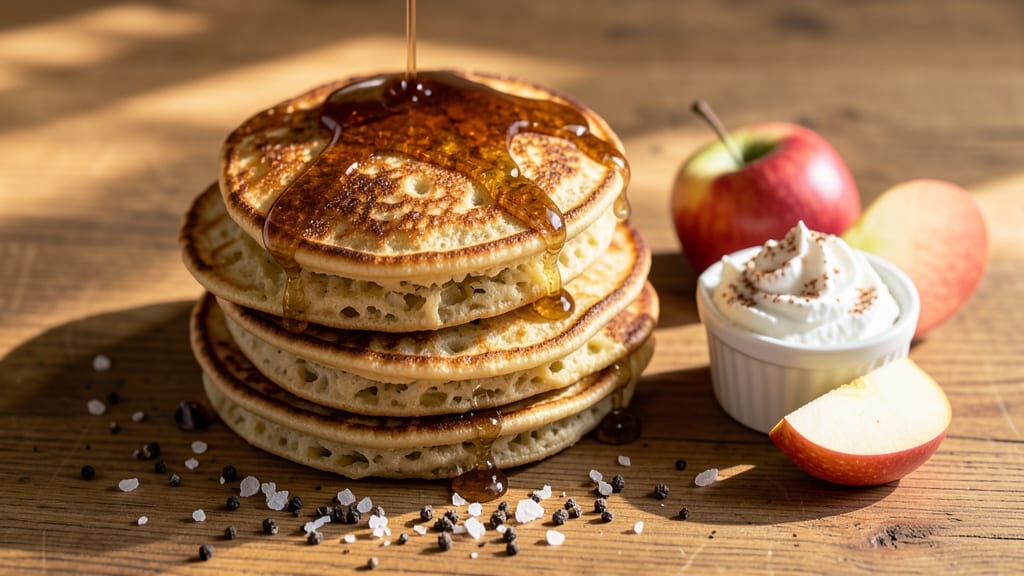
This Amish potato pancake recipe delivers the perfect balance of fluffy shreds and crispy golden edges—a classic comfort food with deep roots in Pennsylvania Dutch tradition. The secret lies in freshly grated potatoes mixed with a simple batter of eggs, flour, and seasoning, then fried to golden perfection in a hot skillet. I've perfected this method over years of testing, ensuring each pancake achieves that ideal texture without falling apart.
The beauty of Amish potato pancakes is their simplicity—just a few pantry staples come together to create something hearty and satisfying. Unlike store-bought versions, these pancakes stay crispy on the outside while maintaining a tender, almost custard-like interior. The key is using the right ratio of potatoes to binder (egg and flour) and cooking them in batches to maintain even heat.
What makes these pancakes truly special is their versatility. Serve them warm with a dollop of sour cream, a drizzle of applesauce, or even a fried egg on top for a hearty breakfast. They're also fantastic as a side dish for brunch or a light lunch when paired with a fresh salad. The aroma alone—warm, buttery, and slightly savory—will have everyone at the table asking for seconds.
This recipe stays true to traditional Amish cooking methods while making it accessible for home cooks. No fancy equipment is needed, just a grater, a mixing bowl, and a good nonstick skillet. The result? Pancakes that taste like they came from a Pennsylvania farmhouse kitchen, but with the convenience of a modern home cook. Let's get started on making these classics!
Ingredients for amish potato pancake
Freshly grated potatoes and a few simple pantry staples—this is all you need for crispy, golden Amish potato pancakes.
| Ingredient | Amount | Notes |
|---|---|---|
| Russet Potatoes 🥔 | 2 ½ lb | Freshly grated, skin on |
| Large Eggs 🥚 | 2 whole | Room temperature |
| All-Purpose Flour 🌾 | ½ cup | Unbleached preferred |
| Granulated Sugar 🍚 | 2 tbsp | For subtle sweetness |
| Salt 🧂 | 1 ½ tsp | Diamond Crystal preferred |
| Black Pepper 🌶️ | ½ tsp | Freshly ground |
| Fresh Parsley 🌿 | ¼ cup | Chopped finely |
| Unsalted Butter 🧈 | ½ cup | Melted for frying |
| Vegetable Oil 🫒 | ¼ cup | For skillet coating |
| Sour Cream 🥛 | ½ cup | For serving |
| Applesauce 🍎 | ¼ cup | Unsweetened, for serving |
The potatoes are the star here, so pick firm, starchy russets—they grate easier and yield the best texture. Grate them yourself (don't buy pre-grated—it gets watery fast). For extra crispiness, I like to squeeze out excess moisture with a clean kitchen towel. The butter and oil combo in the skillet gives that classic golden color, but if you're watching fat, use just oil. Fresh parsley adds a bright finish, but dried works in a pinch at one-third the amount.
No parsley? Fresh chives or dill work beautifully. Short on butter? Olive oil or bacon fat (if you're not vegetarian) give great results. The pancakes can be made ahead—just fry them, then reheat in a 350°F oven for 10 minutes. If your potatoes turn out too dense, add another egg to the batter next time. And trust me, don't skip the sour cream—it's the perfect topping.
Store any leftovers in an airtight container for up to 3 days—they reheat perfectly in a skillet with a splash of water. For freezing, arrange pancakes on a tray first to prevent sticking, then transfer to a bag for up to 2 months. I like to portion mine into single servings before freezing—just pop one in the toaster for a quick breakfast. The secret to crispy edges? Keep the heat medium-high and don't overcrowd the skillet.
Why You'll Love This Recipe
- No Fuss, No Mess: I swear by this recipe when I’m too tired to peel potatoes. Just grate, squeeze out the moisture, mix with eggs and flour—no fancy steps, no stress. The Russets hold up perfectly, and the pancakes stay together even if I’m not that gentle with the spatula.
- Golden Crisp Magic: That first bite? Crispy edges with a fluffy center, thanks to the sugar caramelizing just right. The eggs bind it all together so it’s not dry, and honestly? It’s the kind of thing that makes you want to make a whole batch just to eat them straight out of the pan.
- Breakfast, Brunch, Snack: Serve them with applesauce for a kid-friendly breakfast or stack them with fried chicken for a Southern-style brunch. My college-aged son even eats them cold for a quick snack—no reheating needed. The sugar keeps them from tasting like plain potato, so they’re always a crowd-pleaser.
- Budget-Friendly Staples: Russets and eggs are cheap, and this recipe stretches far. I make a double batch, freeze half, and pull them out for lazy mornings. No weird ingredients, no markup—just solid, reliable comfort food that won’t break the bank. Plus, the leftovers reheat like a dream.
Step-by-step instructions for Amish potato pancakes
Master the art of fluffy, golden potato pancakes with this precise method.
Grate and Squeeze the Potatoes
Using a box grater, grate the 2.5 lb Russet Potatoes with skin on. I like to use the large holes for even shreds that won't turn to mush. Transfer the grated potatoes to a clean kitchen towel and squeeze out all excess moisture. This step is critical—wet potatoes make pancakes dense and gummy. You should end up with about 5 cups of dry, fluffy potato shreds.
Work in batches if needed, pressing the towel tightly to wring out every drop. The drier the potatoes, the crispier the pancakes. Don't skip this—it's what gives Amish potato pancakes their signature texture. I press down firmly with my hands while twisting the towel, then let the potatoes drain for 5 minutes before mixing.
Mix the Batter
In a large mixing bowl, combine the dry potato shreds with the 0.5 cup All-Purpose Flour, 2 tbsp Granulated Sugar, 1.5 tsp Salt, and 0.5 tsp Black Pepper. Stir gently just until combined—overmixing develops gluten and makes the pancakes tough. Then add the 2 whole Large Eggs and mix again, folding everything together with a spatula.
Finally, fold in the 0.25 cup Fresh Parsley. I like to chop the parsley finely first so it distributes evenly. The batter should be thick but still pourable—like wet sand. If it's too dry, add 1-2 tablespoons of water to help bind it. Let the batter rest for 10 minutes while you prepare your cooking station.
Heat the Skillet
Heat a large skillet over medium heat and add 0.25 cup Vegetable Oil and 0.5 cup Unsalted Butter. I use a 10-inch skillet for these pancakes—it gives me enough surface area to cook 4-5 pancakes at a time without crowding. Swirl the oil and butter together until the butter melts completely and the mixture reaches 350°F on an instant-read thermometer.
Watch for small bubbles forming around the edges of the skillet—that's your signal the fat is ready. If you don't have a thermometer, test by dropping a tiny bit of batter into the pan. It should sizzle immediately and form a crust within 10 seconds. This high heat is what creates those beautiful crispy edges while keeping the centers fluffy.
Cook the Pancakes
Using a ¼ cup measuring cup, portion the batter and carefully drop it into the hot skillet. I press down gently on each pancake during the first 30 seconds—this prevents them from curling and ensures even contact with the pan. Cook for 4-5 minutes per side, until the edges are deep golden brown and the centers are set but still slightly soft.
Don't flip too early—you'll know it's ready when the bottom develops a crispy crust and the edges lift easily from the pan. I use a thin spatula to carefully flip each pancake, being mindful of the hot oil. Cook until the second side is golden brown as well. Transfer to a paper towel-lined plate to drain excess oil while you cook the remaining batter.
Serve Warm
Keep the pancakes warm in a 200°F oven while you finish cooking the batch. For serving, I like to arrange 2-3 pancakes per plate and top with 0.5 cup Sour Cream and 0.25 cup Applesauce. The contrast of warm pancakes with cool sour cream and sweet applesauce is what makes this dish special.
These pancakes should be crispy on the outside with a soft, fluffy interior. Each bite should deliver that perfect balance of potato flavor, subtle sweetness from the sugar, and fresh parsley brightness. Serve immediately while they're at their peak texture—these won't wait!
Pro Tips For Making Amish Potato Pancake
- GRATE THOSE POTATOES FINE: I learned this the hard way—skipping the food processor for the grater leaves uneven bits that won’t cook through. Aim for a texture like wet sand, not coarse crumbs, or your pancakes will turn out dense and undercooked in the middle.
- DON’T SKIMP ON THE SALT: Amish potato pancakes need more salt than you’d think, especially if you’re using unsalted butter for frying. Taste the batter before cooking—it should taste like the ocean, not bland. Trust me, the flavor builds as they crisp.
- LET THE BATTER REST: I used to rush straight to frying, but giving the batter a 10-minute sit in the fridge makes a real difference. The flour absorbs the moisture, and the eggs firm up slightly—this keeps the pancakes from falling apart when you flip them.
- USE COLD BUTTER, NOT HOT OIL: Yes, even if you’re impatient like me, cold butter (not melted oil) gives that signature golden-brown crust. Cut it into small cubes and let them sizzle in the pan until they turn golden—this adds flavor and texture better than any shortcut.
Creative variations of amish potato pancake
Savory Breakfast Twist
Swap the sweet applesauce for a fried egg and crumbled sausage to turn these pancakes into a hearty breakfast plate. I like to add 2-3 slices of crispy bacon on the side for extra protein. The salty, savory flavors balance the pancakes' richness perfectly. 🍳
Sweet Potato Fusion
Replace half the russet potatoes with orange sweet potatoes for a vibrant twist. Roast the sweet potatoes first for 20 minutes at 400°F before grating to intensify their natural sweetness. Add ½ tsp cinnamon to the batter for warmth—these taste amazing with maple syrup instead of sour cream.
Herb-Infused Variations
Swap parsley for fresh chives or dill for a different herbal note. For a Mediterranean touch, add 1 tbsp finely chopped sun-dried tomatoes and ½ tsp dried oregano to the batter. The umami depth pairs beautifully with a sprinkle of feta cheese on top when serving. 🌿
Gluten-Free Adaptation
Replace the all-purpose flour with ½ cup gluten-free 1:1 baking flour (like Bob's Red Mill) and add 2 tbsp cornstarch to bind the batter. The texture stays crispy when you use this blend. These work perfectly with dairy-free sour cream if needed—just check labels for gluten-free certification.
Spicy Kick Option
Add ½ tsp smoked paprika and ¼ tsp cayenne pepper to the batter for warmth. Top with sour cream mixed with hot sauce or a dollop of spicy Greek yogurt for an extra kick. The heat cuts through the richness beautifully—great for brunch with a crowd.
Make-Ahead Freezer Hack
Cook pancakes as directed, then cool completely before arranging on a tray. Freeze in a single layer, then transfer to a ziplock bag with parchment paper between layers. Reheat in a 375°F oven for 10-12 minutes until crispy again. I portion them into individual servings for quick breakfasts—just pop one in the toaster for 2 minutes to revive the crispiness.
Nutrition facts
Frequently asked questions
Why do I need to squeeze out all the moisture from grated potatoes?
Excess moisture makes your pancakes dense and gummy instead of crispy. The squeezing step removes water that would otherwise steam during frying, allowing the butter and oil to create that perfect golden crust. Think of it like wringing out a wet towel—dry potatoes equal crispy results!
Can I use pre-grated potatoes instead of grating myself?
Pre-grated potatoes contain more moisture and often include preservatives that affect texture. For authentic Amish-style pancakes, always grate fresh russets—it takes 5 minutes extra but makes a world of difference in crispiness. The skin-on grating adds subtle earthy flavor too!
What's the best way to store leftover pancakes?
Keep them crispy by storing in an airtight container at room temperature for 2 days or refrigerate for 3 days. For longer storage, freeze cooked pancakes between parchment paper for up to 2 months. Reheat in a 375°F oven for 10 minutes—never microwave or they'll turn soggy!
How do I fix pancakes that turned out too dense?
Next time, add 1 extra egg to the batter or reduce flour by 1 tablespoon. The key is squeezing potatoes thoroughly and maintaining medium-high heat—undercooking causes density. For immediate fixes, try pan-frying again in fresh butter for 2 extra minutes—****the extra crisping helps!
Are these pancakes kid-friendly?
Kids love the crispy texture and mild flavor. Cut them into fun shapes with cookie cutters before serving, or let them dip in applesauce or sour cream. For picky eaters, blend the parsley into the batter so it's less noticeable while keeping the flavor. Warm pancakes are always a hit!