
Desserts
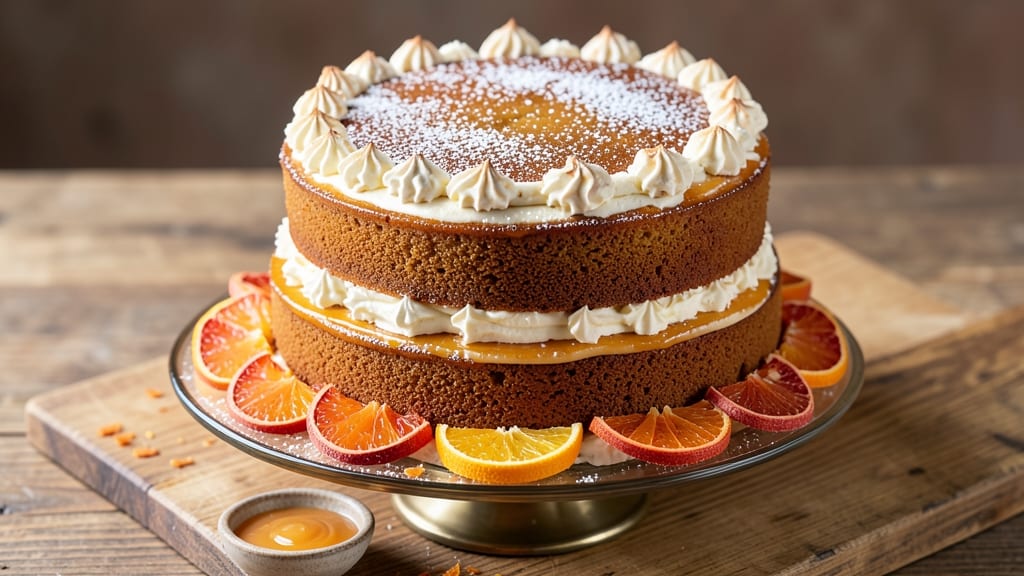
This Amish orange cake recipe delivers the perfect balance of bright citrus and warm spices—just like the ones made in Pennsylvania Amish kitchens. The secret lies in fresh orange zest and juice, which infuse every tender crumb with zesty brightness while vanilla and cinnamon add comforting depth. Unlike store-bought versions, this cake uses simple, wholesome ingredients without artificial additives, staying true to traditional Amish baking principles.
The recipe begins with a moist, buttery cake batter that bakes to a golden perfection in 350°F for about 30-35 minutes, ensuring a tender yet slightly firm texture. Once cooled, a light orange buttercream frosting—enhanced with a touch of orange extract—ties the flavors together beautifully. The frosting isn’t overly sweet, allowing the natural citrus notes to shine through.
What makes this cake truly special is its versatility—serve it plain for a refreshing dessert, or add a sprinkle of toasted nuts or candied orange peel for extra texture. The aroma alone will fill your kitchen with warmth, making it ideal for family gatherings, holidays, or a cozy afternoon treat. Every slice offers a harmonious blend of citrus and spice that feels both nostalgic and utterly modern.
Baking this cake is simpler than you might think—no fancy techniques required, just patience and attention to detail. The result is a cake that’s light yet rich, with a moist interior and a delicate crumb that melts in your mouth. Perfect for those who appreciate the charm of traditional baking with a contemporary twist, this Amish orange cake is sure to become a favorite in your household.
Ingredients for amish orange cake
Fresh citrus and warm spices make this cake bright yet comforting—just like Amish kitchens do best.
| Ingredient | Amount | Notes |
|---|---|---|
| All-Purpose Flour 🌾 | 2 ½ cups | Sifted for light texture |
| Granulated Sugar 🍚 | 2 cups | White or light brown |
| Unsalted Butter 🧈 | 1 cup | Room temperature, full-fat |
| Fresh Orange Zest 🍊 | 2 tbsp | From 2 large oranges |
| Fresh Orange Juice 🍊 | ½ cup | From 2 large oranges |
| Large Eggs 🥚 | 3 whole | Room temperature |
| Pure Vanilla Extract 🌿 | 2 tsp | High-quality, not imitation |
| Ground Cinnamon 🌶️ | 1 ½ tsp | Freshly ground preferred |
| Baking Powder 🧂 | 2 tsp | Aluminum-free preferred |
| Salt 🧂 | ½ tsp | Diamond Crystal preferred |
| Powdered Sugar 🍚 | 3 cups | For frosting, sifted |
| Orange Extract 🍊 | ½ tsp | Pure, not imitation |
| Heavy Whipping Cream 🥛 | ½ cup | Cold, full-fat |
The oranges matter most here. Navel oranges have the best zest-to-juice ratio, but any sweet variety works. Whole Foods or local markets often carry juicier, less bitter options than the grocery store. Avoid waxed oranges—they taste dull. For the zest, use a microplane (the box graters leave behind bitter pith). I always buy an extra orange to have on hand for garnish—candied orange peel takes this cake to the next level. The butter should be room temperature but not melted—press a finger into it, and it should hold a slight indent.
No fresh oranges? Bottled orange juice concentrate works in a pinch, but add an extra pinch of salt to balance the sweetness. For zest, lemon or lime zest can substitute at half the amount, though it won’t taste identical. The vanilla extract is non-negotiable—imitation vanillagranulated sugar processed in a food processor works, though it won’t be as light. The whipping cream should be very cold—pop it in the freezer for 15 minutes before whipping for the best texture. And if you’re feeling fancy, add a pinch of cardamom to the batter for an authentic Amish touch.
This cake keeps beautifully—3 days at room temperature covered loosely, or 1 week refrigerated in an airtight container. The frosting, however, is best used within 2 days or it’ll get grainy. I always make a double batch of frosting and freeze half in a small container—thaw overnight in the fridge before using. The cake freezes well too: wrap tightly in plastic wrap, then foil, and it’ll stay moist for up to 3 months. Just thaw at room temperature before serving.
Why You'll Love This Recipe
- No Fuss, One Bowl: I swear by this recipe because it’s literally one bowl—no mixer, no extra pans, just creaming butter and sugar until it’s light, then folding in flour and that bright orange juice. The kids can stir while I measure; it’s chaos-free baking at its finest.
- Citrus Magic: That first bite? The orange zest clings to your teeth like a little burst of sunshine, while the juice keeps it moist without being soggy. Honestly, the butter and sugar combo is rich enough to stand alone, but the citrus turns it into something special—like a hug for your taste buds.
- Weekday Hero: This cake travels beautifully—slice it, wrap it in foil, and it stays fresh for days. I’ve packed it for potlucks, school lunches (yes, even my picky teenager ate it), and office birthdays. The orange flavor feels fresh enough for summer but hearty enough for winter—it’s my go-to when I need something reliable.
- Budget Brightener: You’re using pantry staples here: flour, sugar, butter—things you already own. The only splurge is fresh oranges, but a single fruit stretches across multiple recipes. Between us, I’ve made this cake for under $5 per serving, and it still feels like a treat. That’s the kind of math that makes me happy.
Step-by-step instructions for Amish orange cake
Here's how to bake this moist, citrus-kissed cake with tender layers and fragrant orange notes.
Cream Butter and Sugars Together
In a stand mixer fitted with the paddle attachment, beat the 1 cup unsalted butter and 2 cups granulated sugar on medium speed for 3-4 minutes until light and fluffy. You'll see the mixture nearly double in volume and turn pale—this incorporates air that creates a tender crumb. I like to scrape down the sides every minute to ensure even mixing.
This is where the magic starts. The butter needs to be at room temperature (press your finger into it—it should leave a slight indent but not be greasy). If it's too cold, the cake will be dense. If it's too warm, the batter might curdle when you add the eggs.
Add Eggs and Orange Flavors
Add the 3 whole large eggs, one at a time, mixing on low speed after each addition until fully incorporated. Then stir in the 2 tbsp fresh orange zest, 0.5 cup fresh orange juice, 2 tsp pure vanilla extract, and 0.5 tsp orange extract. The zest should be finely grated—no large chunks—and the orange juice should be freshly squeezed for maximum brightness.
Here's the thing—don't overmix after adding the eggs. You want a smooth batter, but too much mixing develops gluten and makes the cake tough. The mixture should be thick but pourable. If it looks curdled, don't worry—it'll come together in the next step.
Combine Dry Ingredients Gently
In a separate bowl, whisk together the 2.5 cups all-purpose flour, 1.5 tsp ground cinnamon, 2 tsp baking powder, and 0.5 tsp salt. Sift the flour first for a lighter texture—this prevents dense pockets in the cake. Gradually add the dry mixture to the wet ingredients, mixing on low speed just until combined.
I always use a spatula to fold in the last bit of flour by hand. This prevents overmixing and ensures the cake has that signature Amish tenderness. The batter should be thick but smooth, like a well-tempered paint. If it's too thick, add 1-2 tablespoons of the orange juice to loosen it.
Bake to Golden Perfection
Preheat your oven to 350°F and grease two 9-inch round cake pans (or line them with parchment paper). Divide the batter evenly between the pans and smooth the tops. Bake for 25-30 minutes, or until a toothpick inserted in the center comes out clean. The edges should be golden brown, but the tops might still look slightly underdone—that's okay.
Don't open the oven during the first 20 minutes—this maintains even heat and prevents the cakes from sinking. If the tops brown too quickly, tent them loosely with aluminum foil. Let the cakes cool in the pans for 10 minutes, then transfer to a wire rack to cool completely before frosting.
Frost with Creamy Orange Buttercream
In a mixing bowl, beat the 0.5 cup heavy whipping cream and 1 cup unsalted butter (softened) on medium speed until light and fluffy. Gradually add the 3 cups powdered sugar, 1 tsp vanilla extract, and 1 tbsp orange juice, mixing until smooth. The frosting should be thick but spreadable—if it's too stiff, add 1-2 teaspoons of orange juice to loosen it.
Once the cakes are completely cool, spread a thin layer of frosting between them to create a "crumb coat." Chill for 15 minutes, then frost the entire cake with the remaining buttercream. For extra shine, brush the top with a little orange juice after frosting. The result? A cake that's moist, fragrant, and bursting with citrus flavor in every bite.
Pro Tips For Making Amish Orange Cake
- Whisk Butter and Sugar: DESCRIPTION:
- Zest First, Juice Later: DESCRIPTION:
- Don’t Overmix the Batter: DESCRIPTION:
- Test with a Toothpick, Not a Fork: DESCRIPTION:
Regional styles of amish orange cake
Pennsylvania Dutch Roots
The Amish community in Pennsylvania's Lancaster County popularized this cake as a staple for harvest festivals and family gatherings. Their baking philosophy emphasizes simplicity—using fresh, seasonal ingredients like oranges in winter and apples in fall. The Dutch settlers brought their love of citrus-infused desserts, which blended beautifully with New World ingredients. I remember my first visit to an Amish market where they sold these cakes wrapped in wax paper—still warm from the oven. 🍊
Ohio Amish Twist
In Ohio's Amish settlements, especially around Holmes County, you'll find a slightly denser version of this cake. They often add 1 tsp ground nutmeg to the batter for warmth, creating a more spiced profile. The frosting there tends to be simpler—just powdered sugar and butter—letting the cake's natural flavors shine. I've noticed Ohio Amish bakers also prefer using light brown sugar instead of white for a subtle caramel note.
Indiana's Candied Peel
Indiana's Amish communities take this cake to another level by incorporating candied orange peel into both the batter and as a decorative topping. They simmer orange peels in sugar syrup until translucent, then chop them finely. This adds incredible texture and a burst of citrus flavor. I've made this version and found it keeps beautifully for up to 5 days when stored properly.
Texas Amish Adaptation
Believe it or not, Texas has a growing Amish population that's put their own spin on this classic. They often replace some of the all-purpose flour with whole wheat flour (about 10%) for a nuttier flavor. The frosting sometimes includes a touch of chile powder—just a pinch—to balance the sweetness. It's a surprising but delicious fusion that's become popular at Texas Amish fairs.
Canadian Mennonite Version
Canada's Mennonite communities (close cousins to the Amish) make a slightly lighter version using cake flour instead of all-purpose. Their frosting often includes a splash of maple syrup in addition to the orange juice, creating a unique sweetness profile. I tried this variation and found it pairs wonderfully with fresh berry compotes, especially in summer.
Modern Homestyle Updates
While traditional recipes stick to basics, modern home cooks are adding creative twists. Some replace the buttercream with a cream cheese frosting mixed with orange marmalade for tangy brightness. Others incorporate toasted pecans into the batter for crunch. I've even seen versions with a gingersnap crumb crust at the bottom—it adds amazing texture contrast. 🍪
Nutrition facts
Frequently asked questions
Why does this cake need both fresh orange zest AND juice?
The zest provides the bright, aromatic citrus flavor while the juice adds moisture and balances sweetness. Fresh zest contains essential oils that give the cake its signature zing, while the juice prevents dryness. Using both creates a more complex, well-rounded orange flavor than either alone.
Can I substitute bottled orange juice concentrate?
Yes, but you'll need to use ½ cup concentrated juice (not diluted) plus an extra ¼ tsp salt to balance the sweetness. For zest, use 1 tbsp lemon zest instead—it won't taste identical but works in a pinch. The texture may be slightly denser without fresh juice.
How do I know when the cake is fully baked?
Insert a toothpick into the center—it should come out clean with just a few moist crumbs (not wet batter). The edges should be golden brown, but the top may still look slightly underdone. If unsure, bake 2-3 minutes longer—underbaking causes a gummy texture.
What's the best way to store leftover cake?
Keep it at room temperature in an airtight container for 3 days, or refrigerate for up to 1 week. For longer storage, freeze the unfrosted cake layers wrapped tightly in plastic for 3 months. Thaw overnight in the fridge before frosting.
Can I make this cake in a bundt pan?
Reduce baking time to 25-30 minutes and use the same batter. The shape will be beautiful, but the texture may be slightly denser in the center. For extra shine, brush the top with orange juice after baking while still warm.