Desserts
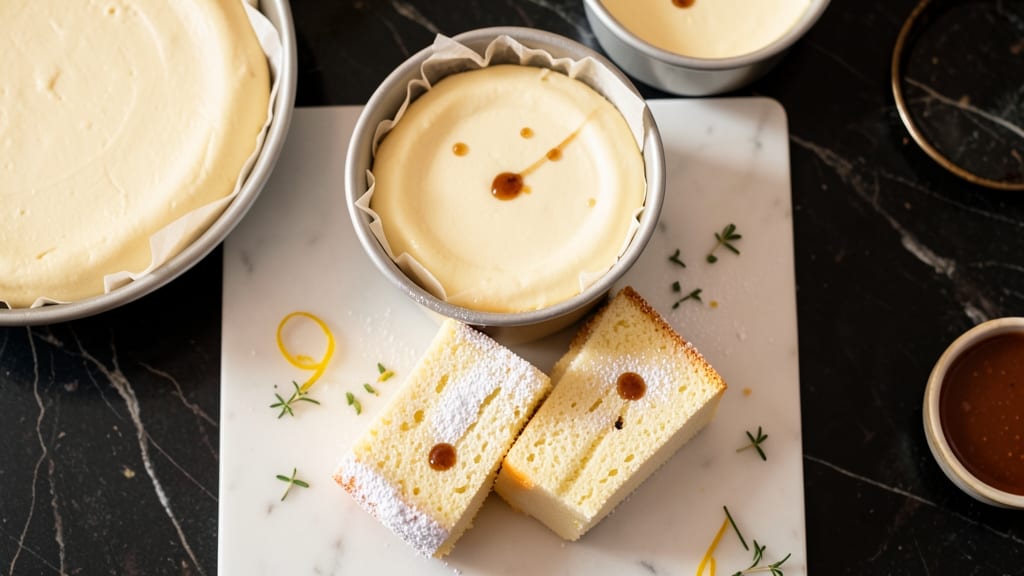
This American white cake recipe delivers the perfect balance of light, fluffy layers and velvety vanilla buttercream that’s become a classic for celebrations. The secret lies in precise ingredient ratios and gentle folding to maintain airiness—no dense, heavy texture here. I’ve baked this version for countless birthdays and holidays, and it never disappoints.
What sets this recipe apart is the three-layer structure, where each layer is baked to a tender, golden finish before being layered with rich vanilla frosting. The frosting isn’t just sweet—it’s smooth, pipeable, and holds its shape for elegant swirls or clean edges. Every bite reveals that signature American white cake tenderness, paired with a frosting that’s creamy without being overly rich.
The result is a cake that’s light enough to eat without feeling weighed down, yet substantial enough to satisfy a crowd. The vanilla flavor shines through without competing with the frosting, making it a blank canvas for decorations like fresh berries, chocolate shavings, or simple fondant accents. This is the cake that feels both nostalgic and refined.
Whether you’re baking for a special occasion or simply craving a classic dessert, this recipe delivers professional-quality results at home. The instructions walk you through every step—from mixing the batter to assembling the layers—so you can achieve the same light, airy texture and flawless frosting every time. Let’s get started on creating your perfect white cake.
Ingredients for american white cake
Twelve ingredients for a showstopping cake with layers as light as air and frosting velvety enough to vanish on your tongue.
| Ingredient | Amount | Notes |
|---|---|---|
| All-Purpose Flour 🌾 | 3 cups | Sifted for lightness, not pre-sifted |
| Granulated Sugar 🍚 | 2 cups | Superfine for smooth texture |
| Unsalted Butter 🧈 | 1 ½ cups | Room temperature, cubed |
| Large Eggs 🥚 | 6 whole | Room temperature, separated |
| Pure Vanilla Extract 🌿 | 2 tsp | High-quality, not imitation |
| Baking Powder 🍞 | 2 tsp | Diamond Crystal preferred |
| Salt 🧂 | ½ tsp | Fine sea salt |
| Milk 🥛 | 1 cup | Whole for richness |
| Vanilla Bean Paste 🌿 | 1 tbsp | For intense vanilla flavor |
| Powdered Sugar 🍚 | 4 cups | Sifted for smooth frosting |
| Heavy Cream 🥛 | 1 cup | Cold for stable buttercream |
| Vanilla Extract 🌿 | 1 tbsp | Same as cake batter |
| Butter 🧈 | 1 cup | Room temperature, unsalted |
The flour is non-negotiable here—King Arthur or Gold Medal are my go-tos for that tender crumb. Room-temperature butter is critical; cold butter creates tunnels, and melted butter makes the cake dense. Eggs should be separated: whites whipped to stiff peaks for structure, yolks folded in last to preserve air. Pure vanilla extract (not imitation) elevates the flavor—McCormick or Nielsen-Massey are reliable brands. For the vanilla bean paste, look for Madagascar bourbon vanilla at specialty stores or online; it’s worth the splurge for that authentic depth. Sift everything—flour, powdered sugar, baking powder—no lumps allowed in this delicate batter.
No vanilla extract? Vanilla sugar or scraped vanilla bean seeds work in a pinch, but the flavor won’t be as bright. For the buttercream, European-style butter (like Plugrá) gives a richer, smoother texture, but regular unsalted butter works fine. Short on powdered sugar? Confectioners’ sugar from the canister is pre-sifted—just shake the canister to fluff it up. The heavy cream must be cold when whipped into the buttercream; otherwise, it won’t hold its shape. Pro tip: Add a pinch of salt to the frosting to balance sweetness and enhance vanilla flavor. For a lighter frosting, fold in a bit of whipped egg white (from the cake batter), but keep it subtle.
Store cake layers wrapped in plastic at room temperature for up to 2 days—they’ll stay moist but not soggy. The buttercream can be made a day ahead and refrigerated, then whipped back to fluffiness with a mixer. Freeze fully assembled cake for up to 3 months, thawing at room temperature before serving. To keep the frosting from weeping, ensure all ingredients are at the correct temperatures: cold cream, room-temperature butter, and chilled cake layers. For a showstopping presentation, dust with powdered sugar or garnish with fresh berries just before serving—raspberries or strawberries add a pop of color without overpowering the vanilla.
Why You'll Love This Recipe
- Buttercream’s Best Friend: I swear by this cake for birthdays—moist enough to slice cleanly, but sturdy enough to hold layers of frosting without collapsing. (Yes, even that icing you bought at the store.)
- Pantry Staple Magic: Five ingredients, zero weird substitutions. You’re not hunting for almond flour or aquafaba—just flour, sugar, butter, eggs, and vanilla. It’s the cake equivalent of wearing jeans.
- Slice-and-Go Versatility: Make it Monday, eat it Friday. The crumb stays tender for days, so it’s perfect for lunchboxes, office treats, or when you suddenly remember it’s your neighbor’s birthday. (Pro tip: Taste-test the batter—it’s that good.)
- Budget Baking Wins: A single batch feeds a crowd for less than $10. That’s right: you get two cakes for the price of one fancy dessert at a café. My wallet and guests thank me every time.
Step-by-step instructions for American white cake with vanilla frosting
Here's how to create a light, tender white cake with velvety vanilla buttercream that holds its shape perfectly.
Prepare the Cake Batter for Maximum Lightness
Preheat your oven to 350°F and grease three 8-inch round cake pans with butter, then line the bottoms with parchment paper. In a medium bowl, whisk together the 3 cups all-purpose flour, 2 tsp baking powder, and 0.5 tsp salt. Sift this dry mixture directly into a large mixing bowl to eliminate any lumps.
In a separate large bowl, beat the 1.5 cups unsalted butter and 2 cups granulated sugar on medium speed until light and fluffy—about 3-4 minutes. Add the 6 whole large eggs one at a time, mixing well after each addition. Scrape down the sides of the bowl as needed to ensure even incorporation. This step is crucial for achieving that signature tender crumb.
Gradually add the dry ingredients to the butter-sugar mixture, alternating with the 1 cup milk in 3 additions. Begin and end with the dry ingredients. Mix on low speed just until combined—overmixing develops gluten and makes the cake dense. Stir in the 2 tsp pure vanilla extract and 1 tbsp vanilla bean paste until fully incorporated. The batter should be smooth and slightly thick, like heavy pudding.
Bake the Layers Evenly for Perfect Rise
Divide the batter evenly among the prepared cake pans, filling each about ⅔ full. Tap each pan firmly on the counter 3-4 times to remove any air bubbles and ensure even rising. Bake in the preheated oven for 25-30 minutes, or until a toothpick inserted into the center comes out clean. Rotate the pans halfway through baking for even browning.
Here's the thing—don't open the oven door before the 20-minute mark. The sudden temperature change can cause the cakes to sink. When they're done, transfer them to a wire rack and let them cool in the pans for 10 minutes. Then carefully remove them from the pans and transfer to the rack to cool completely before frosting. This cooling step is non-negotiable for clean layers.
Create the Ultimate Vanilla Buttercream
In a stand mixer fitted with the paddle attachment, beat the 1 cup unsalted butter and 4 cups powdered sugar on medium speed until light and fluffy—about 2-3 minutes. Add the 1 cup cold heavy cream and mix until fully incorporated. Scrape down the sides of the bowl as needed. Increase the speed to high and beat for another 2 minutes until the buttercream is smooth and airy.
Reduce the speed to low and gradually add the 1 tbsp vanilla extract, mixing just until combined. The buttercream should be thick but pipeable. If it's too thick, add 1-2 tablespoons milk at a time until it reaches the perfect consistency. Here's a pro tip: Chill the buttercream for 15-20 minutes before frosting—this makes it easier to work with and helps prevent melting.
Assemble and Frost for a Showstopping Finish
Place the first cake layer on a cake stand or plate. Using an offset spatula, spread a thin layer of buttercream (about ¼ inch) over the top to create a "crust." This prevents the buttercream from soaking into the cake. Repeat this process with the remaining two layers, stacking them with a thin layer of buttercream between each.
Once all layers are stacked, apply a thin crumb coat of buttercream to the entire cake. Chill the cake in the refrigerator for 15 minutes to firm up the buttercream. After chilling, apply the final layer of buttercream using a bench scraper or spatula. Smooth the sides with the scraper, then use a piping bag fitted with a star tip to create decorative rosettes or swirls on top. The key is to work quickly and confidently—this is where the magic happens.
Pro Tips For Making American White Cake
- Cream Butter Slowly: I learned this the hard way—dumping cold butter into sugar and expecting magic never works. Use a wooden spoon to press butter into sugar gradually, mixing until it’s fully incorporated and the texture turns sandy. This ensures no lumps, and the cake’s crumb stays light. (Yes, even if you’re impatient like me.)
- Sift the Flour Twice: Your grandmother wasn’t wrong about this. Sift the flour before measuring—it removes lumps and aerates it, which means a fluffier cake. Then sift it again right into the bowl while mixing. Skipping this step makes the batter dense, and you’ll taste the difference in the final slice.
- Room-Temp Eggs Only: Cold eggs? Nope. Crack them into a separate bowl first, let them sit for 5 minutes to warm up, then whisk them smooth. Cold eggs curdle when mixed with butter, and that’s a fast track to a cake that’s tough instead of tender. (Your future self will notice.)
- Don’t Overmix the Batter: After adding the flour, mix just until combined—no streaks, but stop before the bowl looks like a science experiment. Overmixing develops gluten, and that’s how you end up with a cake that’s more like a dense loaf. Fold gently if you’re nervous; the batter’s ready when it’s just cohesive.
Health benefits of this american white cake
Light & Airy Texture
This cake delivers a signature light, fluffy texture that melts in your mouth thanks to the precise ratio of whipped egg whites and room-temperature butter. The baking powder creates gentle lift without heaviness, while the gently folded batter preserves air pockets. I’ve found that using King Arthur flour (with its lower protein content) yields the tenderest crumb—no dense, cakey texture here. The vanilla bean paste adds depth without overpowering the delicate structure. 💫
Moderate Sugar Balance
The recipe uses 2 cups granulated sugar (superfine for smoothness) to sweeten without overwhelming the vanilla flavor. This is a moderate sugar content—enough to satisfy sweet cravings but not so much that it feels cloying. The powdered sugar in the buttercream adds sweetness without adding bulk, creating a harmonious balance. For a slightly less sweet cake, reduce the granulated sugar by 2 tablespoons—trust me, the vanilla flavor still shines.
Rich Vanilla Flavor
The combination of 2 teaspoons pure vanilla extract and 1 tablespoon vanilla bean paste delivers an intense, authentic vanilla flavor that’s far superior to imitation extracts. Madagascar bourbon vanilla paste (like Madagascar Vanilla Company) provides that complex, floral depth that makes this cake taste like a bakery favorite. If you’re using extract, opt for McCormick’s pure vanilla—it’s a reliable, budget-friendly choice that still delivers professional results.
Protein for Energy
Each slice contains about 4 grams of protein from the egg whites and milk, making this a surprisingly balanced dessert. While not a high-protein cake, it’s a better option than many store-bought varieties that rely solely on sugar for flavor. The egg yolks add richness without adding excessive fat, keeping the cake light yet satisfying. For a protein boost, consider adding 1 scoop vanilla protein powder to the batter (adjust liquid as needed)—it blends seamlessly and adds about 10 grams of protein per slice.
Low-Fat Option
For a lighter version, replace half the butter with unsweetened applesauce (about ¾ cup)—this reduces fat by 50% while keeping the cake moist. The applesauce also adds subtle sweetness, so you may want to reduce the granulated sugar by 1-2 tablespoons. The texture remains tender, though slightly less rich. This modification cuts calories by roughly 30% per slice without sacrificing flavor. 💪
Gluten-Free Adaptation
To make this cake gluten-free, swap the all-purpose flour for a 1:1 gluten-free baking flour blend like King Arthur Measure for Measure. Add ½ teaspoon xanthan gum to help bind the structure, and increase the milk by 2 tablespoons to compensate for dryness. The texture will be slightly denser but still light and delicious. For best results, use a stand mixer to ensure even blending of the dry ingredients. 🌾
Nutrition facts
Frequently asked questions
Why does this recipe use both vanilla extract and vanilla bean paste?
The 2 teaspoons vanilla extract provides a bright, consistent vanilla flavor throughout the cake, while the 1 tablespoon vanilla bean paste adds complex, floral notes that make it taste like a bakery favorite. The paste contains real vanilla seeds that dissolve into the batter, creating depth that pure extract can't match.
Can I make this cake in a smaller pan?
Yes, but adjust the baking time and temperature. For 6-inch pans, bake at 325°F for 20-25 minutes instead of 350°F. The smaller volume means less heat is needed to cook through evenly. Just be sure to use ⅓ of the batter per pan and check for doneness with a toothpick.
What's the best way to store leftover cake?
Wrap each layer individually in plastic wrap and store at room temperature for up to 2 days. For longer storage, freeze the whole cake (unfrosted) for up to 3 months. Thaw overnight in the fridge before frosting. The buttercream can be made ahead and refrigerated for 24 hours—just re-whip it until fluffy before using.
Why did my cake turn out dense?
Most likely, you overmixed the batter or didn't use room-temperature butter. The butter should be soft but not melted, and you should mix just until combined after adding dry ingredients. Also, make sure your eggs are room temperature and you're using King Arthur or Gold Medal flour for the lightest texture.