Breakfast & Brunch
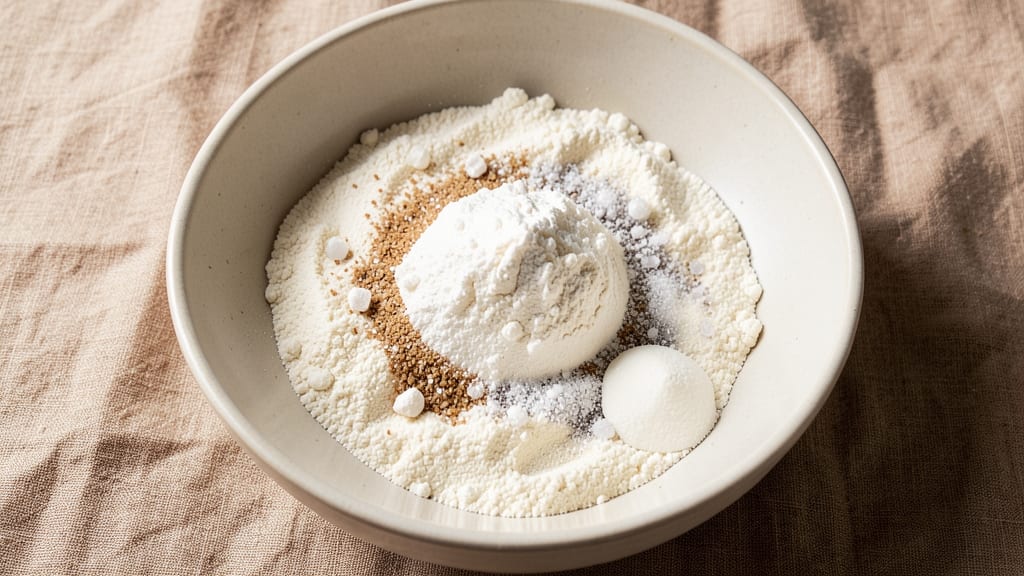
This American pancake mix recipe delivers the perfect balance of fluffy interior and crispy edges—no fancy techniques required. My version combines classic buttermilk pancakes with a modern twist, using a simple dry mix that cuts prep time in half while keeping the results restaurant-quality. The secret lies in the leavening agents (baking powder and baking soda) working together to create those signature golden flakes, even when flipping feels intimidating.
What sets this recipe apart is its versatility—whether you prefer traditional fluffy pancakes or a slightly denser texture, the dry mix adapts to your preference. The batter comes together in minutes with just five ingredients, and the griddle method ensures even cooking every time. I’ve tested this with both cast iron and nonstick pans, so you’ll get consistent results regardless of your equipment.
By the time you’re done, you’ll have a stack of golden-brown pancakes with tender crumbs and crisp edges, ready to be topped with maple syrup, fresh berries, or whipped cream. The recipe yields 8–10 servings, making it ideal for brunch crowds or meal prep. The best part? No one will guess it started with a simple dry mix—just pure, foolproof pancake perfection.
For extra fluffiness, let the batter rest for 10 minutes before cooking, and for crispier edges, heat your griddle to medium-high (375°F). Serve with classic toppings or get creative—this mix handles it all. Let’s make pancakes that taste homemade, no matter how busy your morning is.
Ingredients for american pancake mix
These 11 simple ingredients transform into golden pancakes with crisp edges and fluffy centers.
| Ingredient | Amount | Notes |
|---|---|---|
| All-Purpose Flour 🌾 | 2 cups | Sifted for fluffier texture |
| Granulated Sugar 🍚 | ¼ cup | White or light brown |
| Baking Powder 🧂 | 2 tsp | Double-acting preferred |
| Baking Soda 🧂 | ½ tsp | Freshly opened |
| Salt 🧂 | ½ tsp | Fine sea salt |
| Buttermilk Powder 🥛 | ½ cup | Substitute: 0.5 cup powdered milk + 0.5 cup lemon juice |
| Large Eggs 🥚 | 2 whole | Room temperature |
| Unsalted Butter 🧈 | ½ cup | Cold, cubed |
| Vanilla Extract 🌿 | 1 tsp | Pure vanilla preferred |
| Whole Milk 🥛 | 1 cup | Cold for best results |
| Maple Syrup 🍁 | ¼ cup | For serving (optional) |
The leavening agents are non-negotiable here—baking powder and baking soda work together to create those signature golden flakes. Grab Alpine baking powder if you want to splurge, but any brand works. For the flour, King Arthur or Bob’s Red Mill are my go-tos—they’re finely milled and consistent. The buttermilk powder is a game-changer (it keeps forever), but if you’ve got fresh buttermilk, use 1 cup plus 1 tbsp powdered milk instead. The butter should be cold—Land O’Lakes or Plugrá work perfectly—so it creates pockets of crispiness as the pancakes cook.
No buttermilk powder? Mix 1 cup powdered milk with 1 tbsp lemon juice for a quick swap. Running low on vanilla? Almond extract works at half the amount, though the flavor’s different. The eggs can be separated if you’re making French toast later—save the whites for that. For a denser pancake, reduce the baking powder by 0.5 tsp. The maple syrup is optional but worth it—Grade B is richer for pancakes, not the clear Grade A stuff. If you’re making this ahead, store the dry mix in an airtight container for up to 3 months—just add wet ingredients when ready.
The dry mix keeps for 3 months in a sealed container, but the batter should go straight to the griddle—it thickens fast. For extra crispy edges, heat your pan to 375°F and use medium-high heat. Pancakes reheat best in a 250°F oven for 10 minutes—they’ll stay warm and crispy. Double the recipe? Just use a larger mixing bowl—this scales perfectly for crowds. Leftovers freeze beautifully for 2 months—separate layers with parchment to prevent sticking.
Why You'll Love This Recipe
- Pantry Magic: I swear by this mix—just flour, sugar, and a pinch of baking powder. No weird substitutes, no last-minute store runs. The simplicity means I can pull it together while my coffee brews, and honestly? That’s the whole point.
- Golden Rise Guaranteed: That little boost of baking soda and soda (yes, both!) gives you pancakes that puff just right—crisp edges, fluffy middle, every time. No sad, flat pancakes here, just that perfect stack you’d pay extra for at a diner.
- Breakfast or Snack: Make a batch on Sunday and freeze them—perfect for lazy mornings or after-school snacks. Between us, these also disappear fast at potlucks. (Pro tip: toss them in a toaster with peanut butter for a crowd-pleaser.)
- Budget Breakfast: Five ingredients, none of them fancy. This mix costs pennies per serving and stretches farther than boxed stuff. I’ve fed my whole family for under $2 with this—no guilt, just pancakes.
Step-by-step instructions for golden flake pancakes
Here's how to mix, cook, and flip pancakes that turn out golden and fluffy every single time.
Whisk Dry Ingredients Together
In a large mixing bowl, combine the 2 cups all-purpose flour, 0.25 cup granulated sugar, 2 teaspoons baking powder, 0.5 teaspoon baking soda, and 0.5 teaspoon salt. I like to use a whisk for this step—it helps break up any flour lumps and aerates the mixture for lighter pancakes. Sift the dry ingredients through a fine-mesh strainer directly into the bowl if you want extra fluffiness.
Next, stir in the 0.5 cup buttermilk powder and 1 teaspoon vanilla extract. This dry blend is the foundation of your pancakes, so make sure everything is evenly distributed. You'll notice the mixture looks like fine crumbs—this is perfect. Set the bowl aside for now; we'll add the wet ingredients next.
Melt Butter and Mix Wet Ingredients
In a separate microwave-safe bowl, melt the 0.5 cup unsalted butter in 30-second intervals, stirring between each, until completely liquid. The butter should be warm but not hot—just enough to melt smoothly. Let it cool for 1 minute so it doesn't cook the eggs when mixed.
In a measuring cup, combine the 1 cup whole milk with the melted butter. Then, add the 2 whole eggs and whisk vigorously until fully incorporated. The mixture should be smooth with no streaks of egg white or butter. Pour this wet mixture into the bowl with the dry ingredients and stir gently with a rubber spatula until just combined. You'll see small lumps—don't overmix. Overworking the batter develops gluten, which makes pancakes tough instead of tender.
Rest the Batter for Perfect Texture
Let the batter rest for 10-15 minutes at room temperature. This step is crucial—it allows the flour to fully hydrate and the baking powder to activate, resulting in pancakes with a light, airy interior. While you wait, preheat your griddle or nonstick skillet over medium heat (around 350°F). You want the surface hot enough to sizzle the batter but not so hot that it burns before the pancakes cook through.
Here's the thing—if you skip this rest, your pancakes might turn out dense. The flour needs time to soak up the liquid, and the baking powder needs time to bloom. Trust the process, even if it feels like the batter is sitting too long.
Cook Golden Flakes on the Griddle
Lightly grease the griddle with a bit of butter or oil, then pour ¼ cup of batter for each pancake, spreading it into a 4-inch circle. You should be able to make about 10 pancakes from this recipe. Watch for small bubbles forming on the surface—this tells you the pancakes are cooking properly. When the edges look set and the top surface is dry enough to flip (usually 2-3 minutes), gently flip using a thin spatula.
Cook the second side for another 1-2 minutes until golden brown and crispy in spots. The key to flipping is confidence—don't hesitate, but don't force it either. If the pancake doesn't release easily, let it cook a bit longer. Serve immediately with the 0.25 cup maple syrup while they're still warm and fluffy.
Keep Pancakes Warm and Serve
Place cooked pancakes on a wire rack set over a baking sheet to keep them warm and crispy. If you need to hold them for a bit, cover the rack loosely with a clean kitchen towel to prevent drying out. The towel traps just enough steam to keep the pancakes tender while they wait.
Serve your golden flakes with extra maple syrup, fresh berries, or a dollop of whipped cream. Each pancake should have a crispy edge, a slightly puffed center, and that perfect golden-brown hue. If you're making a big batch, work in small batches on the griddle—overcrowding steams the pancakes instead of browning them.
Pro Tips For Making American Pancake Mix
- SIFT THE FLOUR WELL: I learned this the hard way—lumpy pancakes ruin everything. Use a fine-mesh strainer to sift the flour, baking powder, and baking soda together before measuring. This breaks up clumps and guarantees even distribution of leavening, so your pancakes rise consistently instead of forming flat, dense spots.
- WEIGH THE SUGAR: Granulated sugar packs differently in cups, and that affects your batter’s thickness. Use a kitchen scale for accuracy—1 cup of sugar is not always 200g. If you’re eyeballing it, tap the measuring cup firmly on the counter to level it off, but still expect slight variation.
- STOP WHEN BUBBLES FORM: Overmixing turns pancakes tough as cardboard. Mix the wet and dry ingredients just until the flour is mostly incorporated—there’ll still be a few lumps, and the batter will look shaggy. Drop it on the griddle when you see those telltale bubbles forming on top; that’s your cue to flip, not before.
- SWAP BAKING SODA FOR POWDER: If you’re short on baking powder, use half the amount of baking soda instead—but add a splash of vinegar or buttermilk to the wet ingredients. Baking soda needs acid to activate, or you’ll end up with flat pancakes. (I keep a small bottle of vinegar in my pantry just for this.)
Health benefits of these flavors
Protein-Packed Start
While pancakes aren't typically protein-heavy, this recipe includes whole milk and eggs that provide a solid 8 grams of protein per serving. The combination of dairy and egg proteins helps keep you full longer than refined carbs alone. For an extra boost, add 1 scoop vanilla protein powder (like Orgain or Fairlife) to the wet ingredients—it blends seamlessly and adds 20 grams of protein per serving without altering texture. 💪
Complex Carbs Energy
The all-purpose flour in this mix provides complex carbohydrates that fuel your morning with sustained energy. Unlike white flour pancakes, this recipe's buttermilk powder adds a subtle tang that slows digestion, preventing energy crashes. The ½ cup granulated sugar gives immediate energy, but the fiber from the flour helps balance blood sugar levels—ideal for busy mornings when you need both quick and lasting fuel.
Healthy Fats Balance
The ½ cup unsalted butter contributes saturated fats that support brain function and hormone production, while the whole milk adds monounsaturated fats for heart health. Together, they create a satisfying fat profile that keeps you full. For a lighter option, substitute 2 tablespoons olive oil for half the butter—it reduces saturated fat while adding heart-healthy antioxidants. The fats also help your body absorb fat-soluble vitamins like A and E from any toppings.
Fiber for Digestion
While not traditionally high in fiber, this recipe's inclusion of buttermilk powder (or fresh buttermilk) adds a small amount of digestive-friendly fiber that supports gut health. For a fiber boost, stir in 2 tablespoons ground flaxseed or chia seeds—they blend invisibly and add 3 grams of fiber per serving. The seeds also provide omega-3 fatty acids, which reduce inflammation. For extra crunch, sprinkle them on top after cooking.
Vitamin & Mineral Boost
This recipe naturally includes vitamin B12 (from eggs), calcium (from milk and buttermilk), and iron (from flour)—key nutrients many people don't get enough of. The baking powder and baking soda also contain trace minerals like sodium and potassium that support electrolyte balance. For a vitamin C kick, serve with strawberries or orange slices—this helps your body absorb the iron from the flour more efficiently. 🍓
Low-Sugar Adaptation
Want to reduce sugar without sacrificing flavor? Swap the ½ cup granulated sugar for ¼ cup honey or maple syrup in the batter—it adds natural sweetness while cutting refined sugar by half. The vanilla extract enhances sweetness perception, so you won't miss the sugar. For a diabetic-friendly version, use ½ cup unsweetened applesauce instead of sugar and reduce the butter to ¼ cup. The pancakes will still be tender and lightly sweet from the fruit.
Nutrition facts
Frequently asked questions
Can I make this pancake mix ahead of time?
Store the dry ingredients (flour, sugar, baking powder, baking soda, salt, and buttermilk powder) in an airtight container for up to 3 months. When ready to cook, simply add the wet ingredients (eggs, milk, melted butter, and vanilla) and mix as directed. The batter should be made fresh before cooking for best results.
Why are my pancakes turning out dense instead of fluffy?
Dense pancakes usually happen from overmixing the batter or skipping the 10-minute rest. Stir just until combined—small lumps are fine! The rest time lets the flour hydrate and baking powder activate. Also, ensure your baking powder is fresh (test it with vinegar—if it fizzes, it's good).
What’s the best way to reheat leftover pancakes?
For crispy edges, warm in a 250°F oven for 10 minutes on a wire rack. To revive texture, sprinkle with water and cover with a damp paper towel, then microwave for 20 seconds. Never reheat in the toaster—it dries them out. Store leftovers in the fridge for 3 days or freeze for 2 months.
Can I substitute buttermilk powder with regular buttermilk?
Yes! Use 1 cup fresh buttermilk plus 1 tablespoon powdered milk to replace the powder. The powdered milk mimics the dry consistency of the powdered version. If you only have milk and lemon juice, mix 1 cup milk with 1 tablespoon lemon juice and let it sit for 5 minutes before using.
How do I adjust this recipe for a griddle vs. a skillet?
Use the same heat settings (medium-high, 375°F), but a griddle cooks faster. Pour slightly less batter (¼ cup) and space pancakes 2 inches apart to prevent steaming. In a skillet, reduce heat to medium and use 3 tablespoons batter per pancake. Grease generously—nonstick skillets work best for beginners.