
Desserts
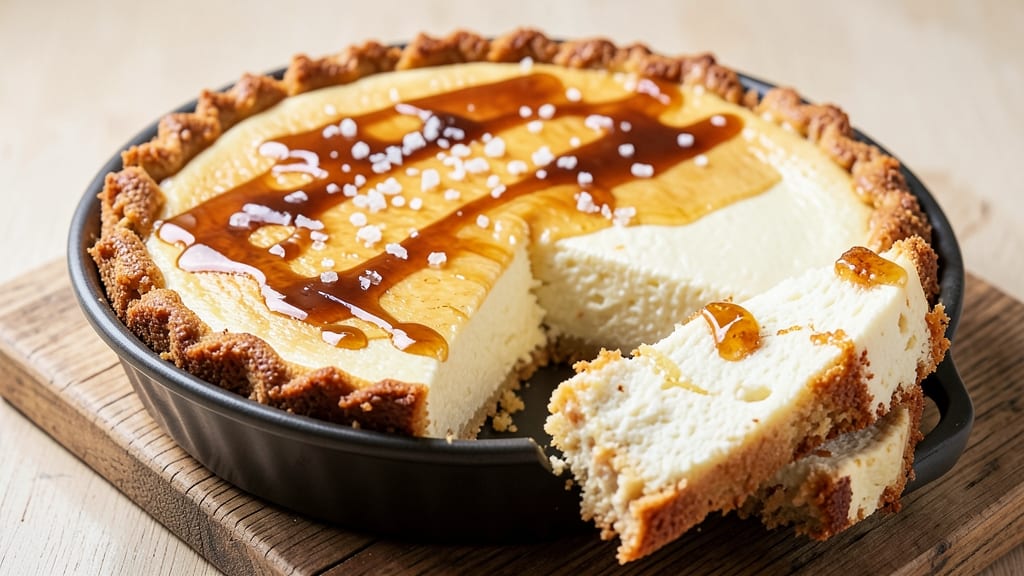
This American baked cheesecake recipe delivers the creamy, crack-free perfection you’ve always craved—no jiggling required. The secret lies in a crisp flour crust and a water bath baking technique that locks in moisture while preventing those dreaded cracks. I’ve perfected this version over years of trial and error, ensuring every slice is velvety smooth with a golden, buttery crust underneath.
The magic happens in the filling: full-fat cream cheese whipped to room temperature, sweetened just enough to balance the tang, and baked in a water bath at 325°F for 50-60 minutes. This method guarantees a dense, jiggle-free center while keeping the texture silky—no rubbery surprises here. The crust, made with all-purpose flour and brown sugar, stays sturdy even after cooling, making it the ideal foundation for this classic dessert.
What you’ll end up with is a restaurant-quality cheesecake that’s rich, creamy, and crack-free, topped with a glossy layer of sweetened cream cheese frosting. The water bath technique isn’t just a trick—it’s the difference between a homemade disaster and a showstopper dessert. Serve it chilled with fresh berries or a dusting of powdered sugar for that final touch of elegance.
This recipe is beginner-friendly, with clear measurements and step-by-step instructions, but the results will impress even seasoned bakers. Once you master this method, you’ll never buy store-bought cheesecake again. Let’s get started—your taste buds will thank you.
Ingredients for american baked cheesecake
Eight simple ingredients transform into restaurant-quality cheesecake with no cracks or jiggle.
| Ingredient | Amount | Notes |
|---|---|---|
| Full-Fat Cream Cheese 🧀 | 32 oz | Room temperature for smooth blending |
| Granulated Sugar 🍚 | 1 ½ cups | Superfine preferred for even texture |
| All-Purpose Flour 🌾 | 1 cup | Sifted for light crust |
| Light Brown Sugar 🍚 | ½ cup | Packed for crust moisture |
| Unsalted Butter 🧈 | ¾ cup | Cold, cubed for crust |
| Large Eggs 🥚 | 4 whole | Room temperature for even baking |
| Sour Cream 🥛 | ½ cup | Full-fat for richness |
| Vanilla Extract 🌿 | 2 tsp | Pure extract preferred |
| Salt 🧂 | ½ tsp | Fine sea salt |
| Hot Water 💧 | 1 cup | For water bath |
| Powdered Sugar 🍚 | ½ cup | For frosting |
| Heavy Cream 🥛 | ½ cup | Chilled for frosting |
The cream cheese is non-negotiable—Philadelphia full-fat is my go-to, but any high-quality brand works. Room temperature is critical: take it out of the fridge 2 hours before starting. For the crust, brown sugar adds moisture while the butter creates that buttery base. I always buy organic all-purpose flour from King Arthur for better texture, but store-brand works fine. The secret to the crust? Pulse everything in a food processor until it resembles wet sand—this ensures even baking without dry spots.
No sour cream? Greek yogurt at half the amount works in a pinch, though it won't be quite as rich. Short on powdered sugar? Superfine sugar sifted through a fine-mesh strainer makes a decent substitute for frosting. The water bath is where the magic happens—use a deep baking dish filled with hot water that comes up about halfway up the springform pan. Pro tip: Wrap your springform pan in foil before placing it in the water bath to prevent leaks. For extra insurance against cracks, I always chill the cheesecake for 4 hours before serving.
This cheesecake keeps beautifully—5 days in the fridge sealed tightly. For longer storage, freeze portions for up to 3 months. The frosting sets best when chilled, so make it ahead. I like to dust with powdered sugar right before serving—it adds that final touch of elegance. Leftovers? Slice and freeze individual portions for perfect single servings anytime.
Why You'll Love This Recipe
- No-Fuss Layers: I mix the cream cheese and sugar until it’s just smooth—no overworking, no stress. The flour and brown sugar crust handles itself in the oven, so I’m not hovering like I used to with water baths.
- Buttery Crunch Core: That crust? It’s the star—light brown sugar and butter baked until it’s crisp at the edges but still tender underneath. Honestly, I’ll take a slice of crust alone if my kids aren’t looking.
- Party in a Pan: Slides out cleanly, cuts neatly, and feeds a crowd without the fuss of individual servings. I’ve brought this to potlucks, holiday dinners, and even a last-minute office celebration—no one ever asks for seconds quietly.
- Leftovers? More Like Leftovers: The full-fat cream cheese keeps it rich for days, and the texture stays perfect even after three. I’ll be real: I’ve reheated slices in the microwave for breakfast—yes, even on a Tuesday—and no one judges. (Okay, fine, they do, but they still ask for more.)
Step-by-step instructions for American baked cheesecake
This foolproof method guarantees a crack-free, silky center every time—no fancy equipment needed.
Prepare the Crust
Preheat your oven to 350°F. In a food processor, pulse 1 cup all-purpose flour, 0.5 cup light brown sugar, and 0.5 tsp salt until combined. Add 0.75 cup cold cubed unsalted butter and pulse until the mixture resembles coarse crumbs with pea-sized butter pieces.
Press the crust mixture firmly into a 9-inch springform pan, using your fingers to create an even layer along the bottom and up the sides. I like to use a glass to compact it evenly—press down until it's solid but not packed too tightly. Bake the crust for 10 minutes to firm it up, then set aside.
Mix the Filling
Reduce oven temperature to 325°F. In a large mixing bowl, beat 32 oz full-fat cream cheese and 1.5 cups granulated sugar on medium speed until completely smooth—this should take about 3-4 minutes. Add 4 whole large eggs one at a time, mixing just until each is incorporated.
Stir in 0.5 cup sour cream, 2 tsp vanilla extract, and 0.5 tsp salt until fully combined. The batter should be thick but pourable. Here's the thing—don't overmix after adding the eggs, or you'll end up with a dense, cakey texture instead of that classic cheesecake silky smoothness.
Assemble and Bake
Pour the filling into the pre-baked crust, spreading it evenly with a spatula. Place the springform pan inside a larger roasting pan. Pour 1 cup hot water into the bottom of the roasting pan—this creates a water bath that helps the cheesecake bake gently and prevents cracks.
Bake for 50-55 minutes until the edges are set but the center still jiggles slightly when shaken. The key is patience—don't open the oven door early to check. If you see the top browning too quickly, tent it loosely with aluminum foil. The cheesecake is done when it's just set but still has a slight wobble in the center.
Cool and Chill
Remove the cheesecake from the water bath and let it cool at room temperature for 1 hour. Then refrigerate uncovered for at least 4 hours or overnight. This gradual cooling process prevents sudden temperature shifts that cause cracks. I know it's tempting to dig in right away, but trust me—this waiting period makes all the difference.
Once fully chilled, run a thin knife around the edge to loosen it from the pan. If it's stuck, pop the springform pan in the freezer for 5 minutes to release it more easily. The cheesecake should hold its shape when inverted onto a plate.
Add the Frosting
In a medium bowl, whip together 0.5 cup chilled heavy cream and 0.5 cup powdered sugar until soft peaks form. Spread this light frosting evenly over the top of the chilled cheesecake. For extra flair, I like to add a sprinkle of toasted nuts or a drizzle of caramel sauce, but keep it simple with just the cream cheese flavor if you prefer.
Slice and serve immediately. Each piece should have a firm crust, a creamy filling that's not too sweet, and that perfect balance of tangy cream cheese flavor. The secret to this recipe isn't complicated—it's all about the slow bake and proper cooling. Real talk: if you rush the chilling step, you'll get cracks. But when you do it right, you'll have a cheesecake that looks like it came from a bakery.
Pro Tips For Making American Baked Cheesecake
- Preheat Like It’s Serious: That oven’s not ready at 350°F until it’s been screaming hot for at least 15 minutes—no exceptions. I learned this the hard way when my first cheesecake took a sad, uneven bake because I rushed this step. The crust needs that heat to set fast, and the center? It’s not coming together if the oven’s still cold.
- Weigh Your Cream Cheese: That block of cream cheese isn’t uniform, and scooping by volume is how you end up with a dense, greasy mess. Use a kitchen scale for precision—8 ounces per block, every time. I was skeptical until I tried it; now, my texture is silky, not heavy.
- Skip the Overmixed Batter: Once you’ve folded in the flour and brown sugar, stop. Overmixing introduces too much air, and that’s how you get cracks in your cheesecake. Just until combined—no streaks, no extra love. (Yes, even if you’re impatient like me.)
- Water Bath, No Foil: The water bath is non-negotiable, but foil? That’s the shortcut that traps steam and turns your cheesecake into a sad, soggy brick. Use a deep pan, fill it with hot water, and let the cheesecake bake in the steam—no foil needed. Your future self will thank you.
Perfect pairings for these flavors
Classic Fruit Toppings
Fresh berries are the ultimate pairing—tart raspberries or juicy strawberries cut through the richness beautifully. I like to arrange them in a circular pattern on top before chilling. For a more tropical vibe, try sliced mango or pineapple. The natural juices from the fruit will slightly soften the top layer, making each bite even more decadent. 🍓
Caramel Drizzle
A drizzle of warm caramel sauce elevates this cheesecake to next-level indulgence. Use store-bought Karo light corn syrup caramel or make your own with ½ cup butter, 1 cup brown sugar, and ½ cup heavy cream. Let it cool slightly before drizzling over the chilled cheesecake to prevent melting. The contrast of creamy cheesecake with gooey caramel is pure magic.
Nutty Crunch
Toasted pecans or walnuts add texture and sophistication. Pulse 1 cup mixed nuts in a food processor until finely chopped, then sprinkle evenly over the top. For extra flair, lightly toast them in a dry skillet over medium heat for 3-4 minutes until fragrant. The nutty aroma enhances the vanilla notes in the cheesecake while providing a delightful crunch.
Chocolate Lovers
For chocolate enthusiasts, a thin layer of dark chocolate ganache adds depth. Melt ½ cup dark chocolate chips with ¼ cup heavy cream, then spread over the cheesecake using an offset spatula. Let it set for 15 minutes before slicing. Pair with a dusting of powdered sugar for a sophisticated finish. 🍫
Coffee Infusion
Add 1 tsp instant coffee granules to the filling mixture for a subtle coffee note. This works surprisingly well with the cream cheese flavor. Serve with a dollop of whipped cream and a sprinkle of cocoa powder. The coffee enhances the richness without overpowering the delicate vanilla undertones. Perfect for dessert lovers who enjoy a mocha twist.
Seasonal Twists
In summer, try a lemon curd drizzle made with ½ cup lemon juice, ½ cup sugar, and 3 egg yolks. For fall, add a layer of spiced whipped cream with ½ tsp cinnamon and ¼ tsp nutmeg. Winter calls for a dusting of cinnamon sugar and a few whole cranberries. Each season brings new possibilities to this versatile dessert. 🍂
Nutrition facts
Frequently asked questions
Why does my baked cheesecake crack?
Cracking happens when the cheesecake cools too quickly or the oven temperature changes suddenly. The water bath helps prevent this, but always let it cool gradually at room temperature for 1 hour before refrigerating. Also, avoid opening the oven door too early—this creates temperature shifts that cause cracks.
Can I make this cheesecake without a water bath?
Technically yes, but you risk cracks and a less creamy texture. The water bath creates gentle, even heat that prevents over-browning and keeps the center moist. If you skip it, bake at 325°F for 55-60 minutes and check frequently to avoid overcooking.
How do I know when the cheesecake is fully baked?
The edges should be set while the center still jiggles slightly when shaken. It should have a slight wobble—this ensures a creamy texture. If it's fully firm, it's overbaked and may be dry. The total bake time is 50-60 minutes, but always check with a toothpick (it should come out with moist crumbs, not liquid).
Can I use low-fat cream cheese?
Not recommended—low-fat versions lack the richness and fat content needed for proper texture. Full-fat cream cheese gives that classic tangy, creamy flavor and prevents a cakey texture. If you must use a lighter version, add 1 tablespoon sour cream extra to compensate for moisture.
How do I store leftovers?
Keep it airtight in the fridge for 5 days or freeze slices for up to 3 months. For freezing, wrap individual portions tightly in plastic wrap, then place in a freezer bag. Thaw overnight in the fridge—never at room temperature—to maintain texture.