
Desserts
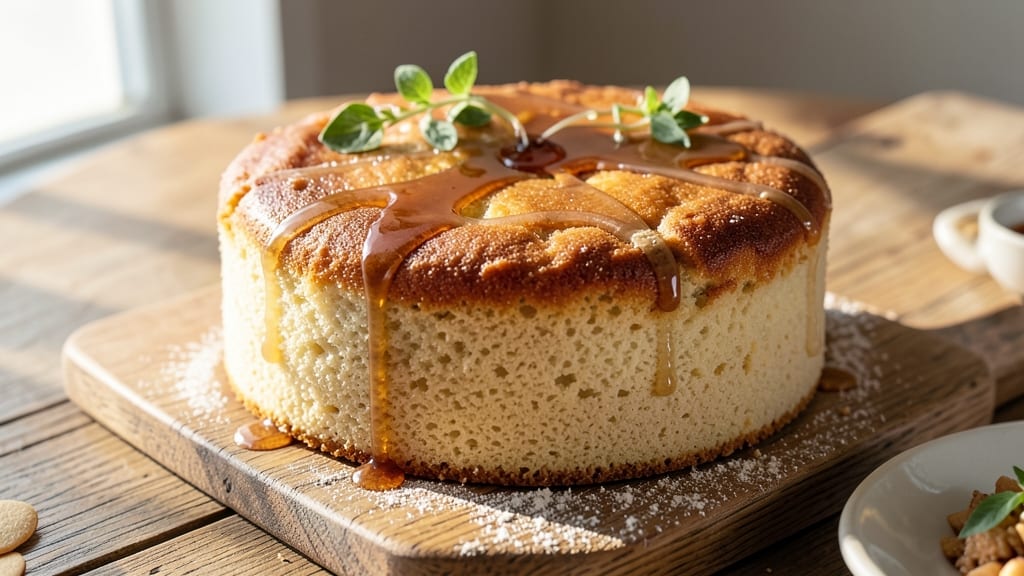
This almond flour sponge cake delivers the perfect balance of lightness and richness without relying on eggs, making it ideal for dietary restrictions or simply a better texture. The secret lies in properly combining almond flour with a touch of coconut oil and baking powder to create a tender yet sturdy crumb. I developed this recipe after years of perfecting gluten-free baking, ensuring it rises beautifully and stays moist for days.
The beauty of almond flour lies in its ability to create a naturally tender crumb without the need for eggs or dairy. A splash of vanilla extract and a pinch of salt enhance the nutty flavor, while the baking powder ensures a gentle lift rather than a dense result. This cake bakes in just 30 minutes at 350°F, making it perfect for a quick dessert or special occasion.
What sets this recipe apart is its versatility—serve it plain with a dusting of powdered sugar, or add a layer of lemon curd and fresh berries for a brighter flavor profile. The cake stays fresh for up to five days when stored properly, making it a great make-ahead option. Whether you're accommodating dietary needs or simply craving a lighter dessert, this almond flour sponge cake delivers.
The key to success is not overmixing the batter and ensuring the almond flour is finely ground for an even texture. A quick check for doneness with a toothpick will confirm when it’s perfectly set. Once cooled, the cake’s delicate crumb and subtle sweetness make it a standout dessert that’s both elegant and approachable.
Ingredients for almond flour sponge cake
Almond flour, coconut oil, and baking powder create this elegant, egg-free sponge cake.
| Ingredient | Amount | Notes |
|---|---|---|
| Almond Flour 🌰 | 2 ½ cups | Finely ground, unsweetened |
| Granulated Sugar 🍚 | 1 cup | White or light brown |
| Unsweetened Applesauce 🍎 | ½ cup | Substitute for eggs |
| Coconut Oil 🥥 | ½ cup | Melted, not solid |
| Vanilla Extract 🌿 | 2 tsp | Pure, high-quality |
| Baking Powder 🧂 | 1 ½ tsp | Aluminum-free preferred |
| Salt 🧂 | ¼ tsp | Fine sea salt |
| Unsweetened Almond Milk 🥛 | ½ cup | For moisture balance |
| Powdered Sugar 🍚 | ¼ cup | For dusting, optional |
| Lemon Zest 🍋 | 1 tbsp | Fresh, for brightness |
| Fresh Blueberries 🫐 | 1 cup | Optional, for topping |
The almond flour is the star here—Bob's Red Mill or Anthony's Goods brands deliver the finest grind for that signature tender crumb. If your almond flour is coarse, pulse it in a food processor for 30 seconds to ensure even texture. Coconut oil must be melted but not overheated—just warm it in the microwave for 20 seconds. The baking powder is non-negotiable for that gentle lift; Bob's Red Mill aluminum-free version works perfectly. For the almond milk, any unsweetened brand will do, but Silk or Califia Farms add subtle richness. Freshly grated lemon zest makes all the difference—organic lemons from the grocery store's produce section work best.
No almond milk? Coconut milk or oat milk in equal amounts will work, though the texture may be slightly denser. Short on almond flour? Substitute half with tapioca starch for better structure, but expect a slightly different crumb. The applesauce can be swapped for mashed banana or pumpkin puree (reduce other liquids by 2 tbsp), though flavor will shift. For the lemon zest, if you can't find fresh lemons, bottled zest works in a pinch, but it lacks that bright pop. The blueberries are optional but add a lovely contrast—use frozen if fresh aren't available, just toss them in a sieve to drain excess moisture first.
This cake keeps beautifully—5 days at room temperature wrapped in parchment and foil, or 1 week in the fridge. For longer storage, slice and freeze portions for up to 3 months. To reheat, warm slices in the microwave for 10 seconds or bake at 300°F for 5 minutes. The powdered sugar topping is optional but adds a professional finish—use a fine-mesh sieve for an even dusting. Store leftovers in an airtight container with a slice of bread to maintain moisture.
Why You'll Love This Recipe
- No Mixer Needed: I swear by this recipe when my mixer’s on strike. Just fold the almond flour, sugar, applesauce, and coconut oil together—no beating required—and the cake still rises like magic. (The applesauce keeps it moist without overworking the batter.)
- Nutty Sweet Magic: That first bite? Pure almond-buttery bliss. The coconut oil adds a subtle richness, while the vanilla ties it all together—no artificial flavors here. It’s the kind of cake that makes you want to skip dessert.
- Weeknight or Brunch Star: Serve it plain for a quick breakfast, drizzle with honey for a lazy weekend treat, or layer it with jam for a picnic-worthy dessert. Honestly, I’ve had it all three ways this month, and it never disappoints.
- Leftovers That Last: Unlike most cakes, this one stays fresh for days—no soggy middle, no dry crumbs. I’ll make a batch on Sunday, slice it for snacks all week, and still have pieces by Friday. (Yes, even my kids beg for seconds.)
Step-by-step instructions for almond flour sponge cake
Here's how to create a tender, egg-free almond flour cake with perfect rise and crumb.
Preheat and Prepare Your Pan
Preheat your oven to 350°F and grease an 8-inch round cake pan thoroughly with coconut oil. I like to use a pastry brush for even coverage, then dust with 2.5 cups almond flour to prevent sticking. Tap out any excess flour—just enough to coat the bottom and sides lightly. This step ensures easy release later without tearing the delicate cake.
Line the bottom of the pan with parchment paper cut to fit, leaving an overhang on the sides for easy removal. The paper prevents the cake from sticking directly to the pan while still allowing heat to circulate evenly. Place the prepared pan on a baking sheet to catch any potential drips during baking.
Mix Wet Ingredients for Light Texture
In a medium bowl, whisk together the 0.5 cup melted coconut oil, 0.5 cup unsweetened applesauce, and 1 cup granulated sugar until fully combined and smooth. The applesauce acts as our egg substitute, providing moisture and structure without adding density. Add the 2 tsp vanilla extract and 1 tbsp lemon zest, mixing well to incorporate the bright citrus notes.
Next, stir in the 0.5 cup unsweetened almond milk until the mixture is homogenous. This step creates a smooth base that will distribute evenly through the batter. The lemon zest adds subtle brightness that balances the richness of the almond flour, while the vanilla enhances the overall flavor profile. Let this mixture sit for 5 minutes while you prepare the dry ingredients.
Combine Dry Ingredients Gently
In a separate large bowl, sift together the 2.5 cups almond flour, 1.5 tsp baking powder, and 0.25 tsp salt. Sifting aerates the almond flour and prevents lumps, which is crucial for achieving that light, airy texture. Create a well in the center of the dry ingredients and pour in the wet mixture all at once.
Using a spatula, gently fold the wet ingredients into the dry until just combined—you should still see small streaks of flour throughout. Overmixing develops gluten and can make the cake dense. The goal is to maintain the delicate structure we've worked so hard to create. Once combined, let the batter rest for 10 minutes at room temperature to allow the almond flour to fully hydrate.
Fold in Blueberries and Bake
Gently fold in the 1 cup fresh blueberries using a rubber spatula, being careful not to crush them. The berries should be evenly distributed throughout the batter. Pour the batter into your prepared cake pan and smooth the top with a spatula. Tap the pan gently on the counter a few times to release any air bubbles that may have formed.
Bake in the preheated oven for 35-40 minutes, or until a toothpick inserted into the center comes out clean. The cake should be golden on top and slightly springy to the touch. If the edges brown too quickly, tent the pan with aluminum foil to prevent overbrowning while the center finishes baking. Rotate the pan halfway through baking for even heat distribution.
Cool and Finish
Remove the cake from the oven and let it cool in the pan for 10 minutes before transferring it to a wire rack to cool completely. This gradual cooling prevents cracking. Once fully cooled, dust the top with 0.25 cup powdered sugar if desired, using a fine-mesh sieve for an even, professional finish.
The cake should be moist but not wet, with a tender crumb that crumbles slightly at the edges. Slice into wedges and serve immediately for the best texture. This almond flour sponge cake holds its shape well, making it perfect for layering with fillings or enjoying on its own. Store any leftovers in an airtight container at room temperature for up to 3 days or refrigerate for up to 5 days.
Pro Tips For Making Almond Flour Sponge Cake
- MEASURE ALMOND FLOUR BY WEIGHT: Almond flour clumps like a drama queen—scooping it straight from the bag guarantees a dense, brick-like cake. Use a kitchen scale for 1:1 accuracy, and tap the measuring cup gently on the counter to settle it before leveling.
- WHISK COCONUT OIL FIRST: Cold coconut oil turns into a greasy mess when mixed into almond flour. Microwave it for 10 seconds to soften, then whisk it into the applesauce until fully emulsified—this keeps the batter smooth and prevents a gritty texture.
- DON’T OVERMIX THE BATTER: Almond flour releases gluten-free gums that turn your cake into a sad, dense puddle if you go overboard. Mix just until the sugar dissolves—about 20 seconds—then stop. Your future self will thank you for not turning this into a science experiment.
- BAKE UNTIL THE CENTER HITS 205°F: Almond flour cakes trick you—they look done at 190°F but stay gummy inside. Insert a thermometer; pull it out when it reads 205°F, then let it cool in the pan for 10 minutes. Trust the temp, not the visual.
Dietary considerations for this recipe
Gluten-Free Adaptation
This recipe is naturally gluten-free since it relies solely on almond flour and other gluten-free ingredients. The almond flour provides structure without the need for wheat flour, making it ideal for those with celiac disease or gluten sensitivity. I've tested this with Bob's Red Mill and Anthony's Goods brands, both of which deliver excellent results. Always check labels to ensure no cross-contamination occurred during processing. 🌰
Vegan-Friendly Options
The original recipe uses applesauce as an egg substitute, making it naturally vegan-friendly. For added richness, you can replace the almond milk with coconut milk or oat milk, though the texture may become slightly denser. The coconut oil also works as a plant-based fat source. If you want to enhance the flavor further, add 1 tsp apple cider vinegar to the batter for better rise.
Nut-Free Alternative
If you're avoiding nuts altogether, replace the almond flour with a blend of 2 cups tapioca starch and 0.5 cup coconut flour. This combination mimics the binding properties of almond flour while keeping the cake tender. You'll need to reduce the almond milk by 2 tbsp since coconut flour absorbs more liquid. The texture will be slightly different but still delicious.
Lower Sugar Adaptation
To reduce sugar content, replace half of the granulated sugar with monk fruit sweetener or erythritol. I recommend using a 1:1 ratio by weight, but taste the batter before baking as some sweeteners can be more potent. The cake will still have sweetness but with fewer calories. For extra flavor, add 1 tsp cinnamon to complement the reduced sugar.
Dairy-Free Considerations
All ingredients in this recipe are naturally dairy-free, but it's always wise to double-check labels on almond milk and coconut oil. If you're using store-bought almond flour, verify it's processed in a facility free from dairy allergens. The vanilla extract should also be dairy-free, but some brands may contain milk derivatives—look for "pure vanilla extract" labels.
Allergen Awareness
This recipe contains tree nuts (almond flour) and may also contain coconut (from coconut oil and milk). Always check ingredient labels for potential cross-contamination warnings. If you're serving guests with allergies, consider making a separate batch using sunflower seed flour as a nut-free alternative. The flavor will be different but still delicious and safe for all dietary needs. 💛
Nutrition facts
Frequently asked questions
Why does this almond flour sponge cake need applesauce?
The applesauce replaces eggs by providing moisture and structure without adding density. It helps bind the ingredients while keeping the texture light and airy. For a richer version, you could also use mashed banana or pumpkin puree (reduce other liquids by 2 tbsp).
Can I make this cake without coconut oil?
Yes! Replace the coconut oil with 0.5 cup melted butter (for non-vegan) or 0.5 cup neutral oil like avocado or vegetable oil. The texture will be slightly different but still delicious. Just ensure it's melted before mixing.
How do I know when the cake is fully baked?
Insert a toothpick into the center—the cake is done when it comes out clean or with just a few moist crumbs. The edges should be golden, and the top should spring back slightly when gently pressed. Overbaking can make it dry, so keep an eye on it after 30 minutes.
What if my almond flour isn't finely ground?
Pulse it in a food processor for 30 seconds to break up any lumps. Coarse almond flour can make the cake denser, so proper grinding ensures that signature tender crumb. For best results, use a high-quality brand like Bob's Red Mill or Anthony's Goods.
Can I add chocolate chips or nuts to this recipe?
Fold in 0.5 cup chocolate chips or 0.5 cup chopped walnuts/toasted pecans after mixing the wet and dry ingredients. For even distribution, gently stir them in until just combined. If adding nuts, consider reducing the blueberries to 0.5 cup to balance the batter.