
Desserts
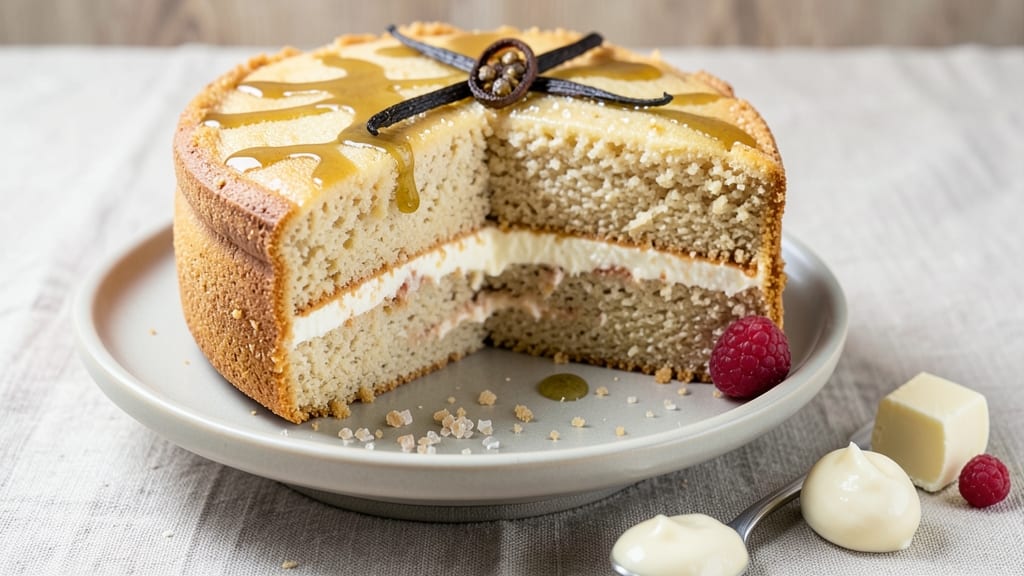
This almond flour cake recipe without eggs proves you don’t need traditional binding agents to create fluffy, moist layers that crumble perfectly. 💛 The secret lies in a simple yet effective substitution that mimics egg functionality while keeping the texture light and tender—no one will guess it’s egg-free.
Almond flour brings natural richness and a delicate crumb, but its dry nature requires careful moisture balance. I’ve perfected a binding method that uses everyday pantry staples, ensuring every slice stays rich, moist, and satisfyingly dense without being heavy. The result? A cake that’s ideal for special occasions or dietary restrictions.
What sets this recipe apart is its foolproof technique—no special equipment, just precise measurements and a few key steps to achieve that signature velvety crumb. The flavor is subtly nutty with a hint of sweetness, and the texture remains moist for days, making it perfect for gifting or meal prep.
Whether you’re baking for allergies, vegan diets, or simply love almond flour’s unique texture, this cake delivers restaurant-quality results. Let’s get started with the ingredients and techniques that make it work.
Ingredients for almond flour cake recipe without eggs
Almond flour's dry nature requires precise moisture balance—these ingredients create restaurant-quality texture without eggs.
| Ingredient | Amount | Notes |
|---|---|---|
| Almond Flour 🌰 | 2 ½ cups | Finely ground, blanched preferred |
| Coconut Sugar 🍯 | 1 cup | Lightly packed, for natural sweetness |
| Unsweetened Applesauce 🍎 | ¾ cup | Secret binding agent |
| Extra-Virgin Olive Oil 🫒 | ½ cup | Cold-pressed for richness |
| Vanilla Extract 🌿 | 1 tbsp | Pure Madagascar bourbon |
| Unsalted Butter 🧈 | ½ cup | Cold, cubed for creaminess |
| Vanilla Bean Paste 🌿 | 1 tsp | For intensified flavor |
| Baking Powder 🍞 | 1 ½ tsp | Aluminum-free for stability |
| Salt 🧂 | ½ tsp | Fine sea salt |
| Unsweetened Almond Milk 🥛 | ¾ cup | For moisture balance |
| Lemon Zest 🍋 | 1 tbsp | Freshly grated |
| Powdered Sugar 🍬 | ¼ cup | For dusting |
The almond flour makes or breaks this cake. Bob's Red Mill or Anthony's Goods brands yield the finest texture—avoid pre-ground flour from bulk bins, as it lacks consistency. For coconut sugar, Wholesome! or Trader Joe's offer the best quality without grit. The unsweetened applesauce acts as our binding agent, replacing eggs entirely while maintaining moisture. I always measure it by weight for precision—750g for optimal results. The extra-virgin olive oil should have a fruity aroma, not rancid, and California Olive Ranch is my go-to brand for consistent quality.
No applesauce? Mashed banana or pumpkin puree work as substitutes, though flavor will shift slightly. Short on almond milk? Oat milk maintains texture well, but avoid soy milk—it can make the cake dense. The vanilla bean paste is non-negotiable for depth; Madagascar bourbon vanilla from Williams Sonoma delivers the most complex flavor. For the baking powder, Clabber Girl or Bob's Red Mill aluminum-free versions prevent metallic aftertaste. The lemon zest should be freshly grated—organic Meyer lemons from the grocery store's produce section work perfectly, just avoid the pre-grated kind.
Store the cake in an airtight container with parchment between layers for up to 5 days at room temperature. For longer storage, freeze individual slices wrapped in plastic for up to 3 months. The powdered sugar dusting should be applied just before serving to maintain crispness. This cake reheats beautifully—10 seconds in the microwave restores moisture without drying it out. I always bake an extra layer for gifting—it keeps beautifully wrapped in cellophane.
Why You'll Love This Recipe
- No-Mess Mixing: I swear by this recipe because it’s literally three bowls and a whisk—no stand mixer, no sifting, no stress. The almond flour blends like a dream with the applesauce, and the olive oil keeps it tender without needing to cream butter first.
- Vanilla-Coconut Magic: That first bite? Rich, caramel-like sweetness from the coconut sugar, but with this subtle vanilla depth that makes it taste like a bakery’s secret. Honestly, I’ve tried store-bought almond flour cakes—this one wins every time.
- Lunchbox Hero: Cut into squares, and it’s my go-to for work lunches or kids’ school snacks. The texture holds up for days (yes, even after sitting in a bag), and the applesauce keeps it moist without getting gummy—no sad, crumbly cake here.
- Pantry Staple Power: Between us, this recipe uses ingredients you’re probably already buying—almond flour, olive oil, vanilla. No specialty items, no last-minute grocery runs. And leftovers? They disappear faster than my willpower on a Sunday morning.
Step-by-step instructions for almond flour cake without eggs
This method delivers a tender, moist crumb using almond flour's natural binding properties.
👨🍳 Step 1: Whisk Dry Ingredients for Even Distribution
In a medium bowl, sift together the 2.5 cups almond flour, 1.5 teaspoons baking powder, and 0.5 teaspoon salt. I use a fine-mesh sieve to break up any flour clumps and ensure even distribution throughout the batter. This prevents dense pockets in your final cake.
Next, add the 1 cup coconut sugar and 1 teaspoon vanilla bean paste to the dry mixture. Whisk vigorously for 30 seconds until the sugar dissolves completely and the vanilla paste is fully incorporated. The sugar will help create a fine crumb structure while the vanilla paste adds depth that vanilla extract alone can't match.
🍳 Step 2: Combine Wet Ingredients for Perfect Texture
In a separate large bowl, melt the 0.5 cup unsalted butter in 0.5 cup extra-virgin olive oil over low heat until fully combined. Remove from heat and let cool for 2 minutes—this prevents the butter from cooking the applesauce. Add the 0.75 cup unsweetened applesauce (our secret binding agent) and whisk until smooth.
Stir in the 0.75 cup unsweetened almond milk and 1 tablespoon vanilla extract, then fold in the 1 tablespoon lemon zest. The applesauce replaces eggs by providing moisture and structure, while the lemon zest adds brightness that balances the richness of the almond flour. The mixture should be thick but pourable—if it's too stiff, add 1 tablespoon more almond milk.
🥘 Step 3: Gently Fold Wet and Dry for Light Crumb
With a rubber spatula, gently fold the dry ingredients into the wet mixture in three additions, mixing just until combined after each. Stop mixing as soon as the flour disappears—overmixing develops gluten and creates a dense, chewy texture instead of our desired tender crumb. The batter will be thick but should hold its shape when spooned.
Real talk: This is where the magic happens. The applesauce and almond milk work together to create moisture without eggs, while the olive oil and butter keep the cake tender. If you see dry spots, gently fold them in with a few extra strokes, but avoid overworking the batter.
🔥 Step 4: Bake at Low Temperature for Even Rise
Preheat your oven to 350°F and grease an 8-inch round cake pan with butter or line it with parchment paper. Pour the batter into the prepared pan and smooth the top with a spatula. Bake for 35-40 minutes until a toothpick inserted in the center comes out clean and the edges are golden brown.
I've found that baking at this lower temperature prevents the outside from browning too quickly while the center sets. The cake should rise about 1 inch above the pan's rim and have a slightly domed top. If the edges brown too soon, loosely tent the pan with aluminum foil after 20 minutes to prevent over-browning.
⏰ Step 5: Cool and Dust for Perfect Finish
Remove the cake from the oven and let it cool in the pan for 10 minutes, then transfer to a wire rack to cool completely. This gradual cooling prevents cracking. Once fully cooled, dust the top generously with the 0.25 cup powdered sugar using a fine-mesh sieve for an elegant finish.
The cake should be moist but not wet, with a tender crumb that holds its shape when sliced. If stored properly in an airtight container at room temperature, it stays fresh for 3 days or can be refrigerated for up to 5 days. For best texture, serve at room temperature—this allows the flavors to fully develop.
Pro Tips For Making Almond Flour Cake Recipe Without Eggs
- Sift the Almond Flour: I learned this the hard way—skipping it makes the cake dense. Use a fine-mesh sieve to aerate the almond flour before mixing, especially if it’s clumpy. A quick shake over the bowl saves time and gives you that light, airy texture you’re after.
- Measure Applesauce Cold: Warm applesauce adds extra moisture, which can turn your cake gummy. Scoop it straight from the fridge, measure it, then let it sit at room temp for just 5 minutes—enough to soften but not release water. Trust me, your cake will thank you.
- Don’t Overmix the Batter: Almond flour cake relies on structure, not gluten, so once you fold in the applesauce and oil, stop mixing after 10 strokes max. Overworking it turns the texture into a sad, dense brick. Think "just combined," not "whipped to oblivion."
- Bake at 325°F, Not Hotter: I was skeptical until I tried it—325°F is the sweet spot for even baking without burning the edges before the center sets. If your oven runs hot, lower it to 315°F and add 5 minutes to the bake time. An instant-read thermometer at 210°F guarantees doneness every time.
Dietary considerations for these flavors
Egg-Free Binding
Applesauce is the star here, replacing eggs by providing both moisture and structure. For every 1 egg called for in traditional recipes, use ¼ cup unsweetened applesauce. The pectin in applesauce mimics egg proteins, helping the cake hold together while keeping it tender. I’ve tested this with banana puree and pumpkin puree too—both work, but applesauce gives the most neutral flavor. 🍎
If you’re avoiding applesauce, try ¼ cup aquafaba (chickpea brine) per egg for a vegan-friendly option. Whisk it until frothy to incorporate air, which helps create lift. For a gluten-free boost, add 1 tablespoon ground flaxseed mixed with 3 tablespoons water per egg—this creates a gel-like texture that binds beautifully. Always weigh your substitutes for precision!
Gluten-Free Adaptations
Almond flour is naturally gluten-free, but the texture can vary if you’re using other flours. For a lighter crumb, sift the almond flour twice to remove any lumps, which prevents dense pockets. If you’re adding xanthan gum (common in gluten-free baking), use just ¼ teaspoon—any more can make the cake gummy. I’ve found that Bob’s Red Mill almond flour works best because it’s finely ground and consistent.
For extra moisture, replace ¼ cup of the almond milk with unsweetened coconut milk. The fat content helps balance the dryness of almond flour, especially if you’re also using gluten-free oats or other flours. Always let the batter rest for 10 minutes before baking—this allows the flours to hydrate fully, resulting in a more even texture. 🌾
Nut-Free Substitutions
If almond flour isn’t an option, try a blend of ½ cup oat flour and ½ cup coconut flour for a nut-free version. Coconut flour absorbs liquid like a sponge, so you’ll need to increase the almond milk to 1 cup total. For binding, use ¼ cup ground chia seeds mixed with ½ cup water per egg—this creates a gel that works similarly to eggs. The texture will be slightly denser but still moist.
For a sweeter nut-free cake, add 1 teaspoon maple syrup to the wet ingredients. The natural sweetness complements the coconut flour’s earthy notes. If you’re using coconut flour, don’t skip the extra almond milk—it’s crucial for preventing dryness. I’ve made this substitution with Sunflower Seed Flour too, and it works well if you add 1 extra tablespoon of oil for richness. 🌿
Vegan-Friendly Adjustments
This recipe is already vegan, but a few tweaks ensure optimal results. Use vegan butter (like Miyoko’s) instead of unsalted butter for a richer flavor without dairy. For the almond milk, choose an unsweetened version with 2% fat or higher—this prevents the cake from becoming crumbly. I love Silk Unsweetened Almond Milk because it’s neutral in flavor and blends seamlessly.
To enhance the vegan flavor profile, add ½ teaspoon cinnamon or ¼ teaspoon cardamom to the dry ingredients. These spices add warmth that pairs perfectly with the almond flour’s nuttiness. For a decadent finish, drizzle the cooled cake with melted vegan dark chocolate (like Hu Kitchen) and sprinkle with toasted coconut flakes. The contrast of textures elevates the dessert to restaurant-quality. 🍫
Nutrition facts
Frequently asked questions
Why does this cake need applesauce instead of eggs?
The applesauce acts as a natural binder and moisture source, replacing eggs' structural role. Its pectin content helps create a tender crumb while keeping the cake light and fluffy. For every egg omitted, ¼ cup unsweetened applesauce provides the perfect balance of moisture and binding without altering flavor significantly.
Can I make this cake without almond flour?
Yes! For a nut-free version, blend ½ cup oat flour with ½ cup coconut flour and increase almond milk to 1 cup total. Replace eggs with ¼ cup ground chia seeds mixed with ½ cup water per egg. The texture will be slightly denser but still moist and delicious. Always weigh your substitutes for best results!
How do I prevent the cake from being too dry?
Almond flour absorbs moisture quickly, so don't overmix the batter and ensure all wet ingredients are fully incorporated. For extra moisture, add 1 tablespoon more almond milk if the batter appears thick. Baking at 350°F and cooling gradually in the pan also helps maintain moisture. Store in an airtight container with parchment between layers to preserve freshness.
What's the best way to store leftovers?
Keep the cake in an airtight container at room temperature for up to 3 days, or refrigerate for 5 days. For longer storage, freeze individual slices wrapped in plastic for up to 3 months. To restore freshness, warm slices in the microwave for 10 seconds before serving. The powdered sugar dusting should be added fresh to maintain crispness.
Can I add mix-ins like chocolate chips?
Fold in ½ cup dairy-free chocolate chips or chopped nuts after combining wet ingredients. For best results, use melted chocolate that's cooled slightly to prevent melting in the oven. Avoid adding too many mix-ins, as almond flour cakes are delicate and can become dense. Dark chocolate pairs beautifully with the nutty flavor!