
Desserts
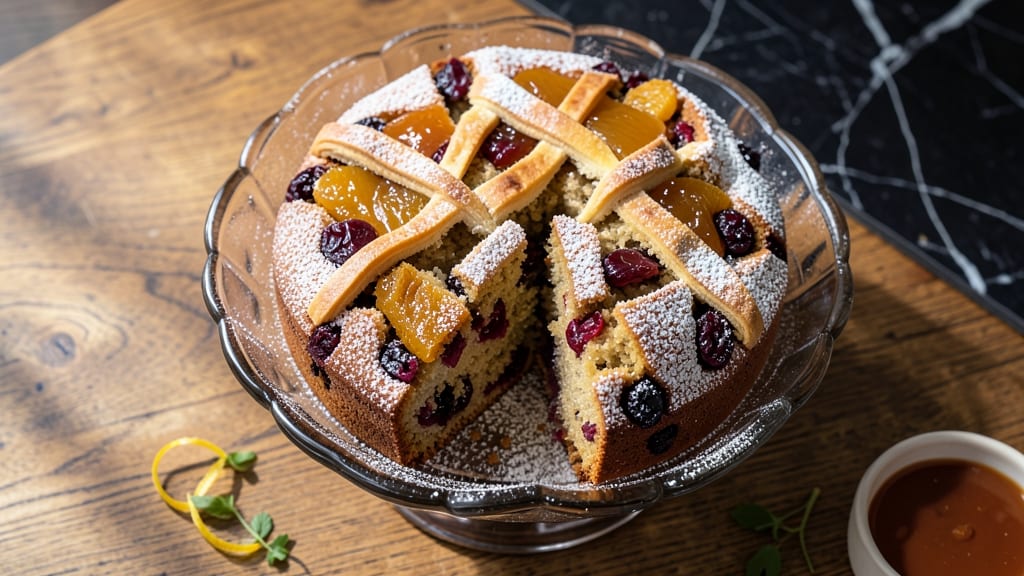
Award-winning fruit cakes aren’t just desserts—they’re masterpieces of texture and flavor, where rich spice meets boozy fruit in perfect harmony. This recipe delivers moisture that lasts for weeks, a secret blend of citrus and brandy-soaked fruit, and a crumb so tender it defies traditional fruit cake stereotypes. The key lies in precise ingredient ratios and a slow-baking technique that ensures every slice stays luscious.
What sets this apart is the layering: a base of buttery crumbs infused with warm spices, followed by alternating layers of moist cake and fruit compote. The alcohol doesn’t just flavor—it preserves moisture, while toasted nuts add crunch and depth. Baking at a controlled temperature prevents dryness, and a simple glaze elevates presentation without overpowering the natural flavors.
By the time you slice into this cake, you’ll taste the difference: no dry crumbs, no bitter aftertaste, just layers of velvety texture and balanced sweetness. The aroma alone—vanilla, citrus, and warm spices—will have your kitchen feeling like a patisserie. Perfect for holidays, gifts, or simply indulging in a dessert that tastes like a victory.
Store it properly, and this cake improves with age, developing even deeper flavor. Ready to bake a fruit cake that wins awards? Let’s begin with the ingredients that make it unforgettable.
Ingredients for award winning fruit cake
Layered crumbs, boozy fruit, and spiced nuts create this velvety masterpiece.
| Ingredient | Amount | Notes |
|---|---|---|
| All-Purpose Flour 🌾 | 4 cups | Sifted for even texture |
| Unsalted Butter 🧈 | 1 ½ cups | Cold, cubed for crumb mixture |
| Granulated Sugar 🍚 | 1 ½ cups | Superfine preferred for smoothness |
| Light Brown Sugar 🍚 | 1 cup | Packed for moisture retention |
| Large Eggs 🥚 | 4 whole | Room temperature for even mixing |
| Pure Vanilla Extract 🌿 | 2 tbsp | Bourbon or Madagascar for depth |
| Active Dry Yeast 🍞 | 2 ¼ tsp | Freshly opened for potency |
| Warm Whole Milk 🥛 | 1 cup | 110°F for yeast activation |
| Ground Cinnamon 🌶️ | 2 tsp | Ceylon preferred for delicate flavor |
| Ground Nutmeg 🌶️ | 1 tsp | Freshly grated for aromatic punch |
| Ground Allspice 🌶️ | 1 ½ tsp | Toasted for enhanced warmth |
| Salt 🧂 | 1 tsp | Diamond Crystal preferred |
| Dark Brandy 🍷 | ½ cup | High-proof for moisture retention |
| Dried Mixed Citrus Peel 🍊 | ½ cup | Finely chopped for vibrant flavor |
| Pitted Mixed Dried Fruit 🍇 | 3 cups | Chopped for even distribution |
| Toasted Chopped Walnuts 🥜 | 1 ½ cups | Lightly toasted for crunch |
| Confectioners' Sugar 🍚 | ½ cup | For glaze, sifted for smooth finish |
| Lemon Juice 🍋 | 2 tbsp | Freshly squeezed for brightness |
The butter and sugars form the foundation of this cake's signature moisture. European-style butter with higher fat content (82-86%) yields superior texture, and Whole Foods Market or local creamery brands excel here. For the citrus peel, organic brands like Simply Organic ensure vibrant color and potent flavor without bitterness. The mixed dried fruit should be plump and vibrant—Trader Joe's or Gourmet Gift Baskets offer reliable quality, but avoid any with a grayish tint, which signals age. Toast your walnuts in a dry skillet over medium heat until fragrant (about 5 minutes), then chop coarsely for that perfect crunch.
No brandy? Substitute with equal parts apple cider and bourbon for a similar depth of flavor. Swap Ceylon cinnamon for regular if unavailable, but reduce to 1.5 teaspoons—it's more potent. For the dried fruit, freshly chopped dried apricots, cherries, and figs work beautifully, but soak them in brandy for 1 hour before adding to the cake for enhanced moisture. The confectioners' sugar glaze can be made with powdered sugar if needed, but Domino brand dissolves more smoothly. If you're short on time, use pre-toasted walnuts from the bulk section, but they won't have the same depth of flavor.
This cake improves with age, developing deeper flavor over time. Wrap tightly in plastic wrap, then place in an airtight container. Store at room temperature for up to 3 weeks—the alcohol helps preserve moisture. For longer storage, freeze individual slices wrapped in plastic for up to 3 months. To revive, let slices sit at room temperature for 30 minutes before serving. The glaze can be made up to 2 days ahead and stored in the fridge, then warmed slightly before drizzling. For gifting, slice before wrapping to prevent sogginess.
Why You'll Love This Recipe
- No-Fuss Mixing: The butter and sugars cream together in minutes—no stand mixer required. I just use a sturdy wooden spoon and my elbow for 30 seconds, and boom, you’re golden.
- Moisture Locked In: That light brown sugar? It’s the secret weapon here. Paired with the eggs and butter, it keeps this cake tender for days—no one will guess it’s not fresh-baked.
- Holiday Ready: Bake it once, dress it up later. I make this ahead for Thanksgiving, Christmas, or even a last-minute birthday—just add a dusting of powdered sugar or a drizzle of honey when it’s time to serve.
- Budget-Friendly Luxury: Flour, butter, sugar, eggs—these are pantry staples that won’t break the bank. Honestly, it’s the kind of cake that makes you feel fancy without the grocery bill to prove it.
Step-by-step instructions for award-winning fruit cake
Mastering this recipe delivers a fruit cake with legendary moisture and depth—every layer infused with brandy and spice.
Prepare the Yeast Mixture for Maximum Rise
In a small bowl, whisk together the 1 cup warm whole milk (tested at 110°F) with the 2.25 teaspoons active dry yeast until fully dissolved. Let this sit for 5-10 minutes until it becomes frothy—this confirms the yeast is active and ready to work. The warm milk activates the yeast, ensuring a proper rise that creates that signature light, airy crumb.
I always use freshly opened yeast for this recipe. If the mixture doesn't bubble after 10 minutes, your yeast may be dead, and you'll need to start over. This step is critical for achieving the cake's signature height and tenderness. Once properly activated, proceed immediately to avoid overproofing.
Cream Butter and Sugars to Lighten the Texture
In a stand mixer fitted with the paddle attachment, beat the 1.5 cups unsalted butter (cold and cubed) with the 1.5 cups granulated sugar and 1 cup packed light brown sugar on medium speed for 4-5 minutes. The mixture should lighten in color and nearly double in volume, becoming pale and fluffy. This creaming process incorporates air, which creates the cake's signature tender crumb.
I press down on the butter occasionally with a spatula to ensure even incorporation. The butter should be fully emulsified with the sugars—no streaks should remain. This step is where the cake's texture foundation is built. If your butter is too soft, chill the bowl for 10 minutes before proceeding to maintain proper structure.
Combine Wet Ingredients and Incorporate the Yeast Mixture
Add the 4 whole large eggs (room temperature) one at a time, mixing on low speed after each addition until fully incorporated. Then add the 2 tablespoons pure vanilla extract and the yeast mixture, mixing on low speed for 1 minute until just combined. The batter should be thick but pourable—this is the ideal consistency for proper layering.
Next, gradually add the 4 cups sifted all-purpose flour, mixing on low speed just until the flour is incorporated and no dry streaks remain. Overmixing develops gluten, which can make the cake dense. I use a silicone spatula to gently fold in the 3 cups pitted mixed dried fruit, 1.5 cups toasted chopped walnuts, and 0.5 cup finely chopped dried mixed citrus peel, ensuring even distribution throughout the batter.
Bake in Layers for Even Cooking and Moisture Retention
Preheat your oven to 350°F and grease two 9-inch round cake pans (or one 9x13-inch pan). Divide the batter evenly between the pans. Bake for 35-40 minutes, or until a toothpick inserted into the center comes out clean. The cake should be golden brown on top, with a slightly domed center that will settle as it cools.
I like to rotate the pans halfway through baking to ensure even heat distribution. The brandy in the batter adds moisture, so the cake may appear slightly underbaked at first glance—don't rely solely on color. The internal temperature should reach 200-205°F for perfect doneness. Remove from the oven and let cool in the pans for 10 minutes before transferring to a wire rack.
Assemble and Glaze for Timeless Elegance
Once the cakes have cooled completely, brush each layer with 0.25 cup dark brandy (divided evenly). This step is essential for maintaining moisture and infusing additional flavor. Place the first layer on a serving plate and spread a thin layer of 2 tablespoons lemon juice mixed with 0.25 cup confectioners' sugar for a glossy finish.
Add the second layer and repeat the glaze. Dust the top generously with the remaining 0.25 cup confectioners' sugar for a professional finish. The glaze not only adds shine but also enhances the cake's moisture retention, ensuring every slice remains tender. Serve at room temperature for the best texture and flavor experience.
Pro Tips For Making Award Winning Fruit Cake
- Cream Butter Slowly: I used to dump cold butter into sugar and wonder why my cake turned out dense—don’t. Take 5 minutes to beat the butter and sugars until it’s pale gold and fluffy, not just "mixed." The light brown sugar will clump if you rush; use a fork to break it up first, then let the mixer do its work.
- Weigh Your Flour: Spooning flour into the bowl? Stop. Packing it in? Also stop. Use a kitchen scale for the exact 250g (or recipe weight)—this fruit cake relies on structure, and volume measurements mess it up. I learned this the hard way when my cake collapsed after baking.
- Don’t Overmix the Eggs: Whisk the eggs until just combined, no ribbons, no streaks—just smooth. Overmixing adds gluten, and this cake’s texture depends on delicate layers. I was skeptical until I tried it; the difference in crumb is night and day.
- Bake Low and Slow: Skip the high heat—this cake needs 325°F (160°C) for 45-55 minutes, not the 350°F (175°C) your oven might default to. The center should read 205°F (96°C) for a moist, even bake. Yes, it’ll take longer, but dry cake is unforgivable.
Creative variations of this award winning fruit cake
Boozy Fruit Variations
Swap the dark brandy for rum (like Appleton Estate) to create a tropical twist—its caramel notes complement the fruit beautifully. For a non-alcoholic version, use apple cider or orange juice (reduce by 2 tbsp to maintain moisture). I’ve also experimented with espresso-soaked dried cherries—simmer ½ cup pitted cherries in ¼ cup strong brewed espresso for 10 minutes before folding into the batter. The caffeine enhances the fruit’s intensity and adds a subtle bitterness that balances sweetness. 🍷
Spice Profile Swaps
For a winter spice variation, boost the allspice to 2 tsp and add ½ tsp ground cloves—this creates a warm, almost mulled-wine flavor profile. If you prefer citrus-forward notes, reduce the nutmeg to ½ tsp and add 1 tsp ground cardamom (toasted lightly in a dry pan for 1 minute). I’ve also made a chocolate-infused version by adding ½ cup Dutch-process cocoa powder to the dry ingredients—it pairs surprisingly well with the brandy and walnuts. 🌶️
Fruit Compote Layer
For an extra-luxurious texture, prepare a fruit compote to layer between cake sections. Simmer 1 cup mixed dried fruit with ½ cup brandy, 2 tbsp honey, and 1 cinnamon stick for 15 minutes until syrupy. Let cool, then spread 2 tbsp between cake layers before glazing. This adds a jammy richness that contrasts the cake’s crumb. For a summer version, use fresh berries (like raspberries and blackberries)—toss them in 1 tbsp lemon juice and 1 tbsp sugar before folding into the batter. 🍇
Nutty Crunch Alternatives
Replace the walnuts with pecans for a sweeter, buttery crunch (toast them until golden brown). For a savory-sweet contrast, try toasted hazelnuts (skinned and lightly toasted) or pistachios (chopped coarsely). I once used candied pecans (store-bought or homemade) for a festive touch—their caramelized sugar adds a delightful crunch and extra sweetness. 🥜
Glaze Innovations
Ditch the simple sugar glaze for a citrus buttercream: whip ½ cup softened butter with 1 cup confectioners’ sugar, 1 tbsp lemon zest, and 1 tbsp lemon juice until fluffy. Pipe or spread between layers for a tangy contrast. For a dark chocolate finish, melt ½ cup dark chocolate with 2 tbsp heavy cream, then drizzle over the assembled cake. A honey glaze (mix ½ cup honey with 2 tbsp warm water) adds a delicate floral note that pairs perfectly with the brandy. ✨
Regional Twists
In Scotland, fruit cakes often include whisky-soaked raisins and black treacle (malt syrup)—swap the brandy for Scotch and add 2 tbsp treacle to the batter. For an Italian version, fold in dried figs and orange zest, then brush layers with limoncello instead of brandy. In Australia, golden syrup replaces brown sugar, and dried apricots dominate the fruit mix. Each regional take keeps the moist, layered structure while adapting flavors to local tastes. 🗺️
Nutrition facts
Frequently asked questions
Why does this fruit cake stay moist for weeks?
The secret lies in the brandy-soaked fruit and layered baking technique. The alcohol preserves moisture, while the yeast mixture creates a light, airy crumb that prevents dryness. Baking at 350°F ensures even cooking without over-browning, and the confectioners' sugar glaze locks in freshness. Store it in an airtight container at room temperature for up to 3 weeks—the longer it rests, the more flavors meld together.
Can I make this cake without alcohol?
Replace the 0.5 cup brandy with 0.5 cup apple cider or orange juice (reduce by 2 tbsp to maintain moisture). For extra depth, simmer ½ cup dried fruit in ¼ cup honey for 10 minutes before adding to the batter. The alcohol-free version still delivers rich flavor—just without the boozy kick.
What’s the best way to slice and serve this cake?
Use a serrated knife and dip it in hot water between slices to create clean cuts. Serve at room temperature for the best texture—cold cake can feel dense. For a restaurant-worthy presentation, dust with powdered sugar and garnish with toasted nuts or a drizzle of citrus glaze. Slice into 1-inch thick pieces to showcase the layers.
How do I fix a cake that’s too dry?
If your cake turns out dry, the issue is likely overbaking or insufficient moisture. Next time, check for a clean toothpick at 200-205°F internal temp and don’t overbake. To revive a dry cake, brush layers with simple syrup** (equal parts sugar and water, heated until dissolved) and let sit for 10 minutes before serving. For gifting, slice and wrap individually to prevent further drying.
Can I bake this in a bundt pan instead?
While possible, a bundt pan isn’t ideal for this layered cake. The recipe relies on two thin layers baked separately for even cooking and moisture retention. If you’re set on a bundt shape, reduce the batter by 25% and bake at 325°F for 50-55 minutes, checking for doneness early. The texture will be less layered but still delicious. For best results, stick to round or rectangular pans.