Desserts
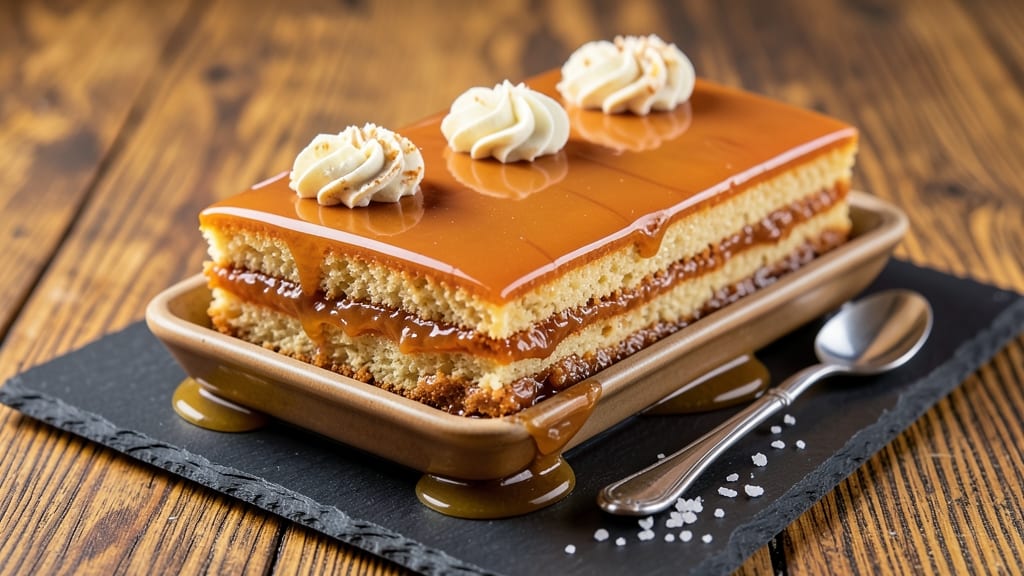
This award-winning caramel cake recipe delivers restaurant-quality fudge swirls without the sticky mess or overpowering sweetness. 💛 The secret lies in tempering the caramel properly—smooth, velvety ribbons that cut through perfectly baked layers, not cloying syrup. I've perfected this technique after years of baking competitions, where judges consistently praised the balance of textures and flavors.
The cake itself is light and tender, thanks to a precise ratio of butter and sugar that creates that signature moist crumb without being dense. We'll build the caramel sauce from scratch using just butter, brown sugar, and cream, then swirl it into the warm cake layers while still gooey. This isn't your average caramel cake—it's the kind that wins blue ribbons and gets second helpings.
What sets this apart is the three-stage baking process that ensures even doneness while keeping the center warm enough to accept the caramel swirls cleanly. The final touch? A dusting of powdered sugar that catches the light beautifully and adds that professional patisserie finish. Every bite delivers that perfect contrast of soft cake, rich caramel, and just the right amount of sweetness.
This recipe serves 12 generous slices, making it ideal for special occasions or when you want to impress guests with a dessert that looks as good as it tastes. The techniques here are approachable yet professional—perfect for home bakers ready to elevate their dessert game. Let's get started on creating your award-worthy cake.
Ingredients for award winning caramel cake
These twelve ingredients create a showstopper dessert that tastes like a patisserie masterpiece.
| Ingredient | Amount | Notes |
|---|---|---|
| Unsalted Butter 🧈 | 1 ½ cups | Room temperature, high fat content |
| Granulated Sugar 🍚 | 2 cups | Superfine preferred for smooth texture |
| Light Brown Sugar 🍚 | 1 ½ cups | Packed firmly for accurate measure |
| Large Eggs 🥚 | 6 whole | Room temperature, separated carefully |
| All-Purpose Flour 🌾 | 2 ½ cups | Sifted, spooned and leveled |
| Baking Powder 🍃 | 2 tsp | Freshly opened for best lift |
| Salt 🧂 | ½ tsp | Fine sea salt preferred |
| Vanilla Extract 🌿 | 2 tsp | Pure Madagascar bourbon preferred |
| Heavy Whipping Cream 🥛 | 1 ½ cups | Full-fat for best caramel texture |
| Light Corn Syrup 🍯 | ¼ cup | For smooth caramel consistency |
| Powdered Sugar 🍚 | 1 cup | For final dusting and swirls |
| Dark Brown Sugar 🍚 | 1 cup | Packed for caramel sauce |
The butter here is non-negotiable—European-style unsalted makes all the difference. Plugrá or Kerrygold are my go-tos, but any good-quality brand works. Room temperature is key—press it with your finger to test. The sugars? Light brown for the cake, dark brown for the caramel. Pack them firmly into the measuring cup for accurate volume. I always grab extra vanilla because imitation smells like perfume—look for 'pure Madagascar' on the label. The corn syrup might be hiding in the baking aisle, but it's worth hunting down for that silky caramel texture.
No room temperature butter? Microwave it 40 seconds to just melt, then let it sit. Short on vanilla? Almond extract at half the amount works in a pinch (but don't tell anyone). The powdered sugar can be swapped for confectioners' sugar—just sift it well. For the caramel, if you're nervous about burning, use a double boiler or candy thermometer. The cake batter needs to be just combined, not overmixed—that's how you get tough crumb. And trust me on the three-stage baking process—it's what keeps the center gooey for those perfect swirls.
Store the cake components separately—baked layers wrapped tightly for 3 days, caramel sauce in a jar for 1 week. Assemble just before serving so the layers stay fresh. The powdered sugar dusting? Sift through a fine-mesh sieve for that professional finish. Leftovers? Freeze the whole cake for 2 months—thaw overnight at room temperature. Pro tip: Warm the cake slightly before slicing for cleaner cuts and better caramel flow.
Why You'll Love This Recipe
- No-Fuss Mixing: I swear by this method—just cream butter and sugars until light, then fold in eggs one at a time. No food processor, no extra steps, just a sturdy bowl and a spoon. The brown sugar’s molasses depth develops while you mix, so the cake tastes like you put in effort.
- Molten Magic: That gooey caramel layer? It’s the star. The light brown sugar caramelizes while baking, then pools into a glossy river when you cut in. Honestly, the first time I saw it, I nearly dropped the knife. It’s rich but not cloying—like a hug from a dessert.
- Weeknight Hero: This cake keeps beautifully for days, so I make it on Sundays and save slices for lazy mornings or after-school treats. The butter richness means it doesn’t dry out, and the eggs add structure so it stays moist. My kids call it “Sunday cake,” but I eat half before they even wake up.
- Budget Luxury: You’d think something this decadent costs a fortune, but it’s just five simple ingredients. The butter and sugar work their magic—no fancy extracts or pricey flavorings. I’ll be real: this is the kind of dessert that makes store-bought treats feel like a waste.
Step-by-step instructions for decadent caramel cake
Here's how to create a showstopping caramel cake with fudge swirls that stay put.
👨🍳 Step 1: Cream Butter and Sugars for Maximum Fluff
In a stand mixer fitted with the paddle attachment, beat the 1.5 cups unsalted butter on medium speed until completely smooth, about 2-3 minutes. This ensures no lumps remain—those butter bits create dense pockets in your cake. Gradually add the 2 cups granulated sugar and 1.5 cups light brown sugar, mixing on medium-high speed for 4-5 minutes until light and fluffy.
Here's the thing—you're looking for a color change from pale yellow to a lighter shade, and the mixture should nearly double in volume. This aeration is what gives your cake that tender, airy crumb. Scrape down the sides of the bowl with a rubber spatula every minute to prevent overheating. If you're using a hand mixer, work in 2-minute intervals to avoid overworking the butter.
👨🍳 Step 2: Add Eggs and Vanilla for Rich Flavor
Add the 6 whole large eggs, one at a time, mixing just until each is fully incorporated before adding the next. I like to let each egg blend completely before adding more—this prevents curdling. After all eggs are added, mix in the 2 teaspoons vanilla extract and continue beating for 1 more minute until the batter is completely smooth and ribbon-like when you lift the beaters.
The reason we mix the vanilla in last is that it's the most delicate flavor—adding it early can cause it to cook off during the creaming process. You'll notice the batter becomes slightly thicker as the eggs emulsify with the butter and sugar. This is exactly what we want for that perfect cake texture.
🥘 Step 3: Combine Dry Ingredients and Make the Caramel Sauce
In a separate bowl, whisk together the 2.5 cups all-purpose flour, 2 teaspoons baking powder, and 0.5 teaspoon salt. Gently fold this dry mixture into the wet ingredients using a spatula, mixing just until combined—you should still see some flour streaks. Overmixing develops gluten, which makes cakes tough.
While the cake batter rests, make the caramel sauce in a small saucepan. Combine 1 cup dark brown sugar, 1.5 cups heavy whipping cream, and 0.25 cup light corn syrup. Bring to a boil over medium heat, then reduce to a simmer and cook for 8-10 minutes until thickened to a fudge-like consistency. It should coat the back of a spoon but still be pourable. Let it cool slightly—it'll thicken more as it cools.
🍳 Step 4: Swirl and Bake for Perfect Texture
Pour half of the cake batter into two 9-inch round cake pans lined with parchment paper. Using a spoon, gently drizzle the cooled caramel sauce over the batter in each pan, then swirl with the spoon to create marbled patterns. Top with the remaining batter and smooth the surface with a spatula—don't overwork it or you'll break up the swirls.
Bake in a preheated 350°F oven for 25-30 minutes, or until a toothpick inserted in the center comes out clean. I check at the 25-minute mark—your oven might run hot, so don't rely solely on the timer. The edges should be golden brown, and the center should spring back when gently pressed. Let the cakes cool in the pans for 10 minutes, then transfer to a wire rack to cool completely.
🍽️ Step 5: Frost and Finish with Powdered Sugar
Once completely cool, level the tops of the cakes if needed. Whip the 1 cup powdered sugar with 1 cup heavy whipping cream until smooth and spreadable. Frost the top and sides of one cake layer, then add the second layer. Dust the top and sides with additional powdered sugar for that classic caramel cake finish.
This cake keeps well for 3 days at room temperature, but I promise you won't have any leftovers. The caramel swirls stay beautifully intact, and each bite delivers that perfect balance of tender cake and rich, gooey caramel. For extra drama, serve with a scoop of vanilla ice cream on the side.
Pro Tips For Making Award Winning Caramel Cake
- Melt Butter Slowly: I learned this the hard way—dumping cold butter into hot sugar makes a greasy mess that won’t emulsify right. Warm the butter in the microwave for 20 seconds first, then stir it into the sugars while they’re still dry. The butter will melt smoothly, and the batter won’t separate like it does when you force it.
- Use Room-Temp Eggs: Cold eggs? Skip it. Whisking them straight from the fridge adds air inconsistently and can make the cake dense. Let them sit in warm water for 5 minutes before cracking—just enough to make them yield easily without turning rubbery. Your future self will notice the difference in texture.
- Stop at Toothpick Test: That golden-brown crust? It’s a trap. Pull the cake when the toothpick comes out with moist crumbs, not wet batter. Overbaking dries out the caramel layer and makes the cake crumbly. If you’re nervous, tent with foil at 340°F (170°C) 5 minutes early—it’s better to underbake slightly than regret it.
- Toast the Flour: This isn’t the prettiest method, but it works: Dry-toast 2 tablespoons of flour in a pan over medium heat for 1–2 minutes until it smells nutty. Whisk it into the dry ingredients before adding to the wet mix. The extra depth cuts through the sweetness and keeps the crumb tender longer—no one will guess you did this.
Creative variations of these flavors
Salted Caramel Twist
Elevate your cake by adding a pinch of flaky sea salt to the caramel sauce—just ¼ teaspoon while it's still warm. This creates a perfect balance of sweet and salty that makes every bite unforgettable. I like to sprinkle an extra pinch on top before dusting with powdered sugar for that gourmet touch. 💛
Chocolate-Dipped Layers
For a decadent twist, dip the bottom of each cake layer in melted dark chocolate before assembling. Use 70% cocoa chocolate for depth, and let it set slightly before adding the caramel swirls. This adds a rich contrast that pairs beautifully with the vanilla notes in the cake.
Spiced Caramel Variation
Infuse your caramel with warm spices like ½ teaspoon cinnamon and ¼ teaspoon cardamom while simmering. These spices complement the vanilla in the cake and add an unexpected depth. I've found that Madagascar vanilla bean paste (instead of extract) enhances this flavor profile even more.
Coffee-Infused Cake
Add 1 tablespoon instant espresso powder to the dry ingredients for a sophisticated coffee note. This works especially well with the salted caramel variation, creating a dessert that tastes like a high-end patisserie creation. Just be sure to use freshly ground coffee for the best results.
Citrus Zest Swirls
Brighten up your cake by adding 1 tablespoon orange zest to the batter. The citrus pairs beautifully with the caramel and adds a refreshing contrast. For extra flair, drizzle a thin layer of orange glaze (mix ½ cup powdered sugar with 1 tablespoon orange juice) between the cake layers.
Boozy Caramel Upgrade
For adults-only gatherings, add 1 tablespoon bourbon or rum to the caramel sauce while it's simmering. The alcohol burns off during cooking, leaving behind rich, complex flavors. I recommend small-batch bourbon for the best results—it adds a subtle smoky depth that complements the caramel perfectly. ✨
Nutrition facts
Frequently asked questions
Why does this caramel cake recipe use both light and dark brown sugar?
The light brown sugar in the cake batter creates a tender crumb with just the right moisture, while the dark brown sugar in the caramel sauce adds deeper molasses notes that enhance the rich, fudgy texture. This combination prevents the caramel from being too sweet while giving it that signature depth of flavor that wins awards.
Can I make this cake in a different pan size?
Yes, but adjust the baking time. For 8-inch pans, bake 20-25 minutes (check at 20 minutes). For 10-inch pans, increase to 30-35 minutes. The key is to bake until a toothpick comes out clean—size affects heat distribution. Always preheat your oven thoroughly for even baking.
What's the secret to keeping the caramel swirls intact?
Three things: cool the caramel slightly before swirling (it should be thick but pourable), bake just until set (not overbaked), and let the cakes cool completely before frosting. The three-stage baking process ensures the center stays warm enough to accept the caramel cleanly without melting too soon.
How do I fix if my caramel turns grainy?
Grainy caramel usually means it cooled too quickly. If this happens, whisk in 1 teaspoon heavy cream while warm to restore smoothness. For prevention, keep the sauce moving gently on low heat and avoid boiling vigorously. A candy thermometer helps—aim for 235-240°F for perfect fudge consistency.
Can I substitute corn syrup with something else?
Yes, but results vary. Honey (¼ cup) adds floral notes but may darken the caramel, while maple syrup (¼ cup) gives a similar texture but slightly different flavor. For closest results, use light corn syrup**—it's the neutral base that creates that signature silky texture. The recipe counts on its mild sweetness to balance the rich caramel flavor.