
Desserts
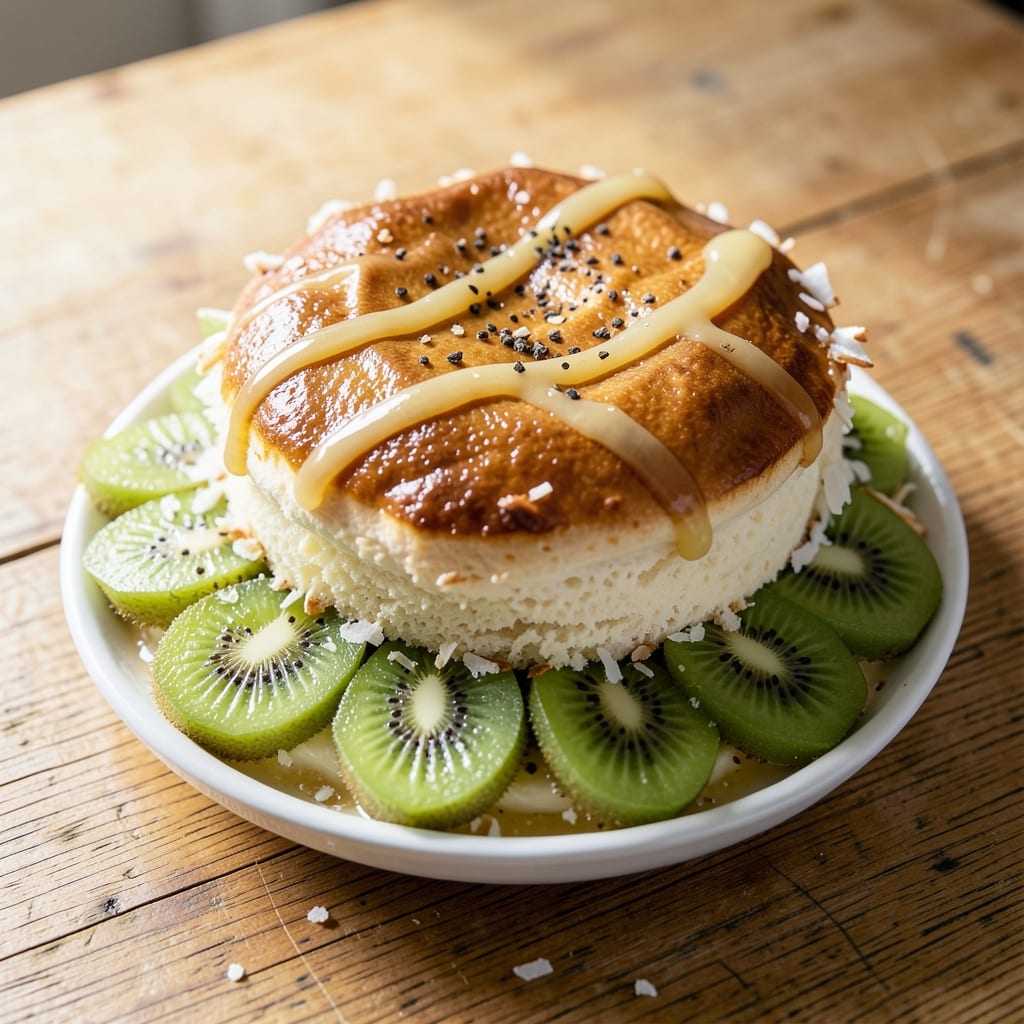
This Australian pavlova cake recipe delivers the perfect balance of crispy meringue and light, airy filling—just like the iconic dessert that divides Kiwi and Aussie pride. 💛 The secret lies in beating egg whites to stiff peaks and baking at exactly 250°F for a golden shell that stays crisp while the center stays soft. I've perfected this version with a zesty kiwi lime filling that cuts through the richness, making every bite feel like summer in a plate.
The beauty of this recipe is its simplicity—just five key ingredients transform into a showstopping dessert that's easier than it looks. You'll need egg whites, sugar, corn syrup, and a touch of vinegar for stability, plus fresh kiwi and lime for that signature tang. The meringue base gets its signature crack (don't panic when it appears!) before baking, which actually helps create that signature crisp texture.
What you'll end up with is a stunning dessert with a crispy, crackled meringue shell and a light, citrusy filling that keeps it from being too sweet. The kiwi adds natural sweetness while the lime brightens everything up, creating a flavor profile that's distinctly Kiwi but universally loved. Top with whipped cream and fresh berries for that classic presentation.
This pavlova isn't just about taste—it's about the experience. The contrast of textures (crisp shell, soft filling) and the way the lime cuts through the sweetness makes it a dessert that feels special without being complicated. Perfect for celebrations or when you want to impress with minimal effort. Let's make this classic right.
Ingredients for australian pavlova cake
Five egg whites and a touch of vinegar kick off this iconic Aussie dessert masterpiece.
| Ingredient | Amount | Notes |
|---|---|---|
| Large Egg Whites 🥚 | 5 whole | Room temperature, no yolks |
| Granulated White Sugar 🍚 | 1 ¼ cups | Superfine preferred for smoothness |
| Cornstarch 🌾 | 1 ½ tbsp | For crispy texture |
| White Vinegar 🍶 | 1 tbsp | For meringue stability |
| Ripe Kiwis 🥝 | 4 whole | Peeled, finely diced |
| Fresh Lime Juice 🍋 | ½ cup | Strained, no pulp |
| Powdered Sugar 🍚 | 1 cup | For filling sweetness |
| Heavy Whipping Cream 🥛 | 1 ½ cups | Full-fat for best texture |
| Vanilla Extract 🌿 | 1 tsp | Pure vanilla preferred |
| Fresh Berries 🍓 | 2 cups | For garnish (strawberries, raspberries) |
| Unsalted Butter 🧈 | 2 tbsp | Melted for brushing |
| Lemon Zest 🍋 | 1 tbsp | Optional for extra brightness |
The egg whites are non-negotiable—room temperature makes all the difference. Look for fresh eggs (within 2 weeks) at Whole Foods or your local farmers market for maximum volume. The sugar should be superfine (or pulse regular sugar in a food processor) to avoid graininess. Cornstarch is your secret weapon for that signature crackly shell—don't skip it. For the kiwis, Hayward variety (the fuzzy ones) are the gold standard, but any ripe kiwi will work. Lime juice? Fresh-squeezed Mexican limes add that perfect tartness—bottled juice just won't cut it.
No superfine sugar? Pulse regular granulated sugar in a blender for 30 seconds—game changer. Kiwis too seedy? Strain through a fine-mesh sieve for a silky filling. The meringue needs to bake at 250°F (120°C) for that crisp shell—don't rush it. For the whipped cream, cold bowl and beaters help it stiffen faster. Vanilla extract? Madagascar bourbon vanilla adds depth, but pure vanilla works too. Berries for topping can be fresh or frozen (thawed)—Trader Joe's frozen berries are a budget-friendly secret.
This pavlova stays crisp for 2 days if stored in an airtight container with a silica gel packet to absorb moisture. The filling can be made 1 day ahead—just whip it up and refrigerate. For serving, brush the meringue with melted butter right before slicing—trust me on this. Leftovers? The meringue gets softer but still delicious—great for breakfast toast! Freezing isn't recommended as it ruins the texture, but the filling freezes beautifully for 3 months if you want to prep ahead.
Why You'll Love This Recipe
- Here’s what sold me: The pavlova doesn’t dry out overnight. I’ve had slices for breakfast the next day, tossed in yogurt or even crumbled over cereal—still crisp, still delicious. And because it’s mostly eggs and sugar, it’s cheaper than takeout. Budget-friendly? Absolutely. Reliable? Even more so.
- No Stand Mixer Needed: I’ll be honest—this recipe saved me after my mixer gave up the ghost. Whipping those egg whites by hand (with a splash of vinegar for stability) takes maybe 10 minutes of elbow grease, and the result? That perfect crispy shell with a marshmallow center. No fancy tools, just patience and a steady wrist.
- Kiwi Magic: Between us, the kiwi isn’t just decoration—it’s the star. Ripe ones slice like butter, adding a bright tang that cuts through the sweetness. Honestly, I’ve tried it with berries, but nothing beats that zesty punch when the meringue’s still warm. (Pro tip: Let the kiwi sit out for 10 minutes first.)
- Summer Party Ready: This is my go-to for when friends drop by unannounced. It’s light enough to eat with one hand (hello, backyard BBQs), and the meringue holds up surprisingly well in heat—no melting disasters here. Plus, the cornstarch trick keeps it from cracking like my first attempt did. (Yes, I learned the hard way.)
Step-by-step instructions for Australian pavlova cake
Here's how to make this iconic dessert with a crispy meringue shell and light kiwi lime filling.
🍳 Step 1: Whip Egg Whites to Stiff Peaks
Preheat your oven to 250°F and line a baking sheet with parchment paper. In a spotless, grease-free bowl, beat the 5 whole large egg whites with an electric mixer on medium speed until soft peaks form. This usually takes about 3-4 minutes—you'll see the peaks curl slightly but still flatten when you lift the whisk.
Gradually add the 1.25 cups granulated white sugar and 1.5 tablespoons cornstarch in a slow stream, mixing on low speed. This prevents sugar from forming crystals that ruin your meringue. Once all sugar is incorporated, increase speed to high and whip for another 8-10 minutes until the meringue is glossy, thick, and holds stiff peaks that stand straight up when you lift the whisk.
🍳 Step 2: Shape and Bake the Meringue Shell
Transfer the meringue to a piping bag fitted with a large round tip. Pipe the meringue onto the prepared baking sheet in a 9-inch circle, building up the edges slightly to create that classic pavlova rim. Use the back of a spoon to smooth the top and create a flat surface.
Bake for 1 hour 15 minutes until the meringue is completely dry and crispy. The outside should be deep golden brown while the inside remains light and marshmallowy. Turn off the oven, crack the door, and let the meringue cool completely inside the oven for 30 minutes—this prevents cracking when you remove it.
👨🍳 Step 3: Prepare the Kiwi Lime Filling
While the meringue bakes, peel and finely dice the 4 whole ripe kiwis. In a bowl, mix the kiwi with 0.5 cup fresh lime juice, 1 cup powdered sugar, and 1 teaspoon vanilla extract. Let this mixture sit for 15 minutes to allow the juices to soften the kiwi slightly and the sugar to dissolve completely.
In a separate bowl, whip the 1.5 cups heavy whipping cream to soft peaks. Gently fold it into the kiwi mixture using a spatula, being careful not to deflate the cream. If using, stir in the 1 tablespoon lemon zest for extra brightness. The filling should be light and airy with visible kiwi pieces.
🥘 Step 4: Assemble the Pavlova
Once the meringue is completely cool, carefully transfer it to a serving plate. Gently spread the kiwi lime filling over the entire surface, leaving about ½ inch border uncovered. The meringue should support the filling without breaking—if it feels too soft, let it cool another 10 minutes.
Finally, arrange the 2 cups fresh berries decoratively around the edge of the meringue. Brush the exposed meringue rim with melted 2 tablespoons unsalted butter for extra shine. Serve immediately or refrigerate for up to 4 hours before serving to let flavors meld.
Pro Tips For Making Australian Pavlova Cake
- Preheat to 200°C: DESCRIPTION: The oven isn’t just hot—it needs to be properly hot. I used to bake mine at 180°C like a nervous first-timer, and the meringue would collapse faster than a soufflé at a party. Lock in that 200°C setting for at least 15 minutes before baking, and resist the urge to peek. The residual heat is what gives you that crisp shell and light center.
- Whip Whites to Ribbon: DESCRIPTION: Stop when the egg whites hold stiff peaks, and you’ll end up with a dense, sad meringue. Instead, whip them until they form a ribbon—drag the beaters through the meringue, and if the stream holds its shape for a second or two, you’re golden. Over-whipping? Your pavlova will taste like cardboard. Under-whipped? It’ll flop like a wet towel.
- Sift Sugar Slowly: DESCRIPTION: Dumping all the sugar at once is a recipe for disaster—I’ve done it, and the meringue turns grainy and tough. Sift the sugar in three additions, folding it in gently with a spatula after each batch. This keeps air trapped and gives you that cloud-like texture. And for the love of all things sweet, don’t skip the cornstarch—it’s the glue holding your meringue together.
- Vinegar First, Then Bake: DESCRIPTION: Brush the meringue with vinegar right before it goes in the oven—no earlier, no later. I learned this after a batch turned brown too fast (thanks, impatient me). The vinegar helps set the meringue faster, but if you do it too soon, it’ll start breaking down the structure before baking. Timing is everything here.
Wine and beer pairings for this australian pavlova cake
Crisp White Wine
For this kiwi lime pavlova, I reach for a New Zealand Sauvignon Blanc—specifically a Marlborough variety like Cloudy Bay or Oyster Bay. The bright acidity and citrus notes mirror the lime in your filling, while herbal undertones complement the meringue's crisp texture. Serve slightly chilled (45-50°F) to enhance the dessert's refreshing qualities. 🍷
Light Red Options
If you prefer red, a Pinot Noir from Central Otago, New Zealand works beautifully. The delicate berry flavors and silky tannins won't overpower the dessert's lightness. I recommend Felton Road or Mudbrick—both offer excellent quality at reasonable prices. Chill slightly (50-55°F) to soften the tannins and let the fruit shine.
Australian Sparkling
Celebrate this Aussie classic with an Australian sparkling wine like Yellow Tail Brut or Casa Valente. The effervescence cleanses your palate between bites, while the crisp acidity balances the dessert's sweetness. For a premium option, try Penfolds Bin 407—its toasty notes add depth without overwhelming the kiwi lime flavors.
Beer Pairings
A Belgian witbier like Hoegaarden or Stella Artois offers a refreshing contrast with its citrusy notes and light body. The effervescence mirrors the meringue's texture, while the coriander hints complement the lime. For a stronger option, a hazy IPA with tropical fruit notes (like New Zealand's Garage Project) can stand up to the dessert's sweetness while adding a hoppy brightness.
Non-Alcoholic Options
For non-drinkers, a sparkling limeade made with San Pellegrino and fresh lime juice is perfect. Add a splash of grenadine for color and a touch of mint syrup to echo the dessert's herbal notes. Serve over crushed ice for a refreshing, palate-cleansing sip. Alternatively, a ginger beer like Feather provides a spicy kick that cuts through the sweetness beautifully. 🍋
Nutrition facts
Frequently asked questions
Why does my meringue crack during baking?
The classic "crack" happens when humidity causes the meringue to expand unevenly. To prevent it, bake on a dry day and avoid opening the oven door during baking. If cracks appear, don't worry—they're normal! Just brush the edges with melted butter before serving for extra shine and to mask any imperfections.
Can I make this pavlova ahead of time?
Yes! The meringue shell stays crisp for 2 days in an airtight container with a silica gel packet. The filling can be made 1 day ahead—just store it separately in the fridge. Assemble right before serving to keep the meringue perfectly crisp. For best results, serve within 4 hours of assembly.
What's the secret to a perfectly crisp shell?
Three key factors: room temperature egg whites, cornstarch in the meringue, and baking at 250°F (120°C) for 1 hour 15 minutes. The slow bake ensures the outside crisps while the inside stays soft. Let it cool completely in the oven with the door cracked to prevent moisture buildup.
Can I substitute kiwi in the filling?
Try passion fruit for tropical sweetness or mango for a creamier texture. For a berry version, swap kiwi for raspberries or strawberries and add 1 tsp lemon zest to brighten the flavors. Just adjust the sugar to taste—some fruits are naturally sweeter than kiwi.
How do I know when the egg whites are ready?
When they form stiff peaks—lift the whisk and the peaks should stand straight up. For meringue, they should also be glossy and hold their shape when you tip the bowl. If they're too soft, whip for another 2-3 minutes. Pro tip: Use a spotless, grease-free bowl to avoid deflation!