
Desserts
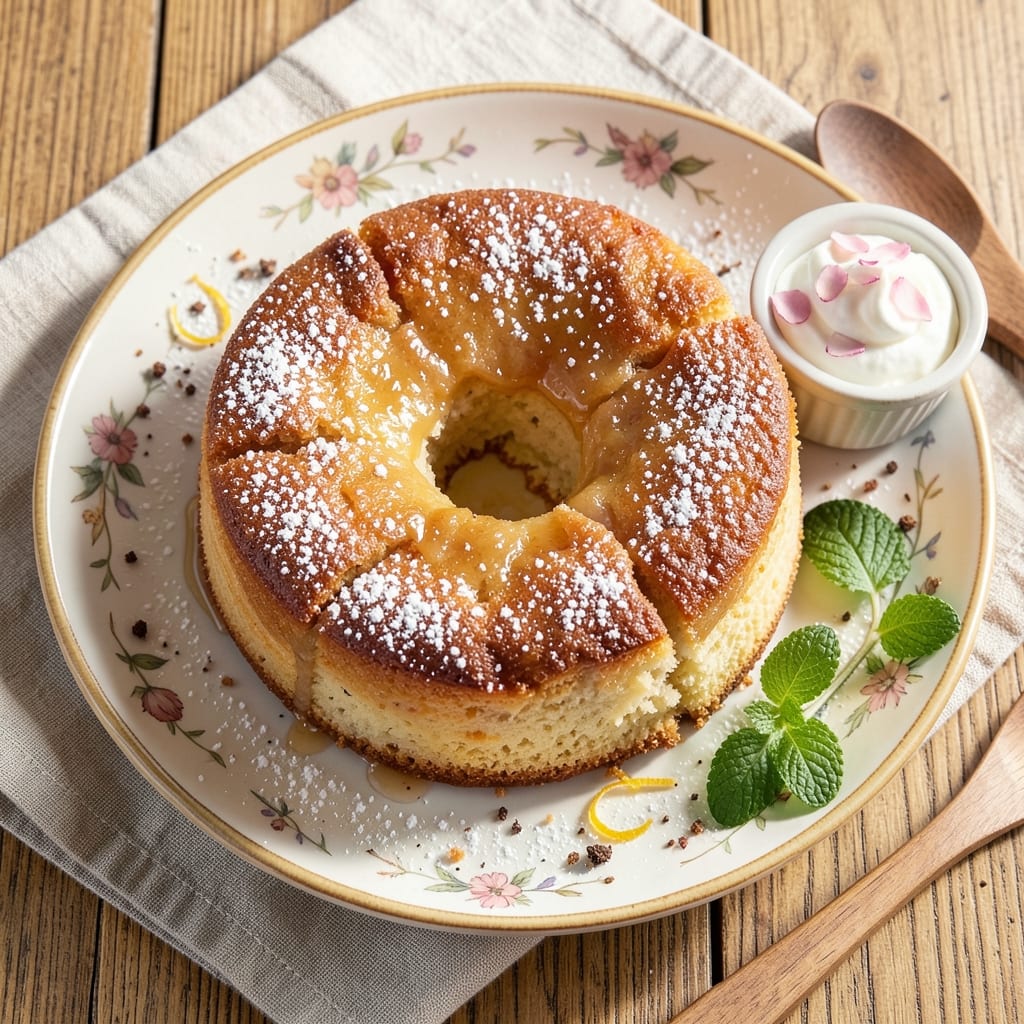
This Arabic milk cake recipe delivers the delicate balance of silky texture and aromatic flavors that define Middle Eastern dessert traditions. The secret lies in layers of tender cake infused with rosewater and cardamom, creating a dessert that feels both nostalgic and refined. I've perfected this version to achieve that signature melt-in-your-mouth consistency while keeping the preparation accessible for home bakers.
The recipe begins with a simple batter of flour, milk, eggs, and butter, enriched with rosewater and ground cardamom for that signature floral-spiced aroma. What sets this apart is the careful baking technique that results in a cake with a tender crumb and subtle golden hue. The rosewater swirls throughout add a delicate sweetness that lingers with each bite, while the cardamom provides a warm, earthy depth.
By the time you're done, you'll have a cake that's light enough to feel airy yet rich enough to satisfy any sweet tooth. The combination of rosewater and cardamom creates a fragrance that transforms any kitchen into a Middle Eastern café. This dessert is perfect for special occasions, family gatherings, or simply treating yourself to a taste of tradition.
Whether you choose to serve it plain, dusted with powdered sugar, or with a dollop of whipped cream, this cake captures the essence of Arabic dessert culture. The recipe includes optional variations for fillings like nut paste or dates, allowing you to customize it to your preference. Let's bring this timeless dessert to life in your kitchen.
Ingredients for arabic milk cake
These simple yet aromatic ingredients transform into a fragrant, melt-in-your-mouth cake that tastes like home.
| Ingredient | Amount | Notes |
|---|---|---|
| All-Purpose Flour 🌾 | 2 ½ cups | Sifted for smooth batter |
| Unsalted Butter 🧈 | 1 cup | Softened to room temperature |
| Granulated Sugar 🍚 | 1 ½ cups | White or light brown |
| Large Eggs 🥚 | 4 whole | Room temperature preferred |
| Whole Milk 🥛 | 1 ½ cups | Room temperature |
| Rosewater 🌸 | 2 tbsp | Pure, food-grade quality |
| Ground Cardamom 🌿 | 1 ½ tsp | Freshly ground preferred |
| Baking Powder 🧂 | 2 tsp | Diamond Crystal preferred |
| Salt 🧂 | ½ tsp | Fine sea salt |
| Vanilla Extract 🌸 | 1 tsp | Pure vanilla preferred |
| Powdered Sugar 🍚 | ½ cup | For dusting |
| Toasted Almonds 🥜 | ½ cup | Optional for garnish |
| Pistachios 🌰 | ½ cup | Optional for garnish |
The rosewater and cardamom are non-negotiable here—they make this cake taste authentically Middle Eastern. Look for pure, food-grade rosewater at Middle Eastern markets or specialty stores like Whole Foods. The ground cardamom should smell vibrant (no dusty, stale jars!). I always buy whole cardamom pods from Penzeys and grind them fresh—the flavor is next-level. For the flour, King Arthur is my go-to; it bakes up light and tender. The butter matters too—Plugrá or Land O'Lakes work perfectly, but never that waxy stuff from the bottom of the tub.
No rosewater? Orange blossom water at half the amount is a decent swap, though it won’t be quite the same. Running out of cardamom? Cinnamon at one-third the amount adds warmth, but you’ll miss that floral note. The vanilla extract can be imitation if you’re in a pinch, but real vanilla makes a difference. For the nut garnish, toasted slivered almonds are classic, but chopped pistachios or walnuts work too. If you’re making this ahead, store the nuts separately so they stay crisp—toss them with a tiny bit of sugar and toast until golden.
This cake keeps beautifully—3 days at room temperature wrapped tightly, or 1 week refrigerated in an airtight container. The flavors actually deepen overnight, so it’s perfect for making ahead. For serving, dust with powdered sugar right before slicing (it melts if you do it too early). Leftovers? Slice and freeze between parchment paper for up to 3 months. Trust me, it’s even better the second day—like a little taste of nostalgia.
Why You'll Love This Recipe
- No Mixer Needed: I swear by this recipe when my hands are full—just cream butter and sugar with a wooden spoon until it’s light. The eggs and milk blend in like magic, and the batter’s so smooth you’ll wonder why you ever used a mixer.
- Velvet-Soft Magic: That first bite? Pure comfort—tender crumb with a whisper of vanilla and a hint of warmth from the milk. It’s not too sweet, not too rich, just right, like a hug in cake form.
- Potluck Star: Between us, this is the dish that gets requested at every gathering. Slice it for brunch, pack it for picnics, or serve it chilled with tea—it’s always a hit, and no one will guess it’s made with just five ingredients.
- Leftovers That Last: I make a big batch on Sundays because it keeps beautifully for days. The texture stays perfect, and the flavor only deepens—perfect for quick breakfasts or sneaking into lunchboxes when I’m in a rush.
Step-by-step instructions for silky rosewater swirls with cardamom kiss
Here's how to create this delicate, fragrant cake that's light as a cloud and bursting with floral notes.
Prepare the Dry and Wet Ingredients Separately
First, sift together the 2.5 cups all-purpose flour, 1.5 teaspoons ground cardamom, 2 teaspoons baking powder, and ½ teaspoon salt in a medium bowl. Set aside—this is your dry mix. I like to whisk it gently to distribute the cardamom evenly before sifting.
In a separate large bowl, beat the 1 cup softened unsalted butter and 1.5 cups granulated sugar together on medium speed until light and fluffy, about 3-4 minutes. The mixture should nearly triple in volume and look pale and airy. This step is crucial for that tender, melt-in-your-mouth texture we want.
Incorporate Eggs and Milk for a Smooth Batter
Add the 4 whole large eggs, one at a time, mixing well after each addition. Then stir in the 1.5 cups whole milk, 2 tablespoons rosewater, and 1 teaspoon vanilla extract. The rosewater might seem like too much, but trust me—it'll bloom beautifully in the oven, giving that signature floral aroma.
Gradually fold in the dry ingredients in three additions, mixing just until combined after each. Be careful not to overmix—you should still see a few streaks of flour. The batter should be smooth and pourable, like heavy cream. Here's the thing—this batter is delicate, so handle it gently to maintain that silky texture.
Divide and Swirl for the Signature Pattern
Pour half of the batter into a 9-inch round cake pan (greased and lined with parchment paper). Then, in a small bowl, mix together ½ cup powdered sugar with 2 tablespoons of the remaining batter to create a lighter swirl mixture. This is where the magic happens—this lighter layer creates those beautiful marbled patterns.
Spread the powdered sugar mixture evenly over the first layer of batter in the pan. Then carefully pour the remaining batter over the top. Using a knife, gently swirl the batters together in a circular motion, creating those iconic rosewater swirls. Don't overmix—just enough to create gentle, wavy patterns throughout.
Bake to Perfect Doneness
Bake in a preheated 350°F oven for 40-45 minutes, or until a toothpick inserted in the center comes out clean. The cake should be golden on top with slightly domed edges—this indicates it's perfectly baked. I always check at the 40-minute mark because ovens vary, and you don't want to overbake this delicate cake.
Let the cake cool in the pan for 15 minutes, then transfer it to a wire rack to cool completely. This cooling process is important—it allows the cake to set properly so it holds its shape when you slice it. While it's cooling, you can toast your ½ cup almonds and ½ cup pistachios in a dry pan over medium heat for about 3-4 minutes until fragrant and lightly golden.
Serve with Elegant Garnishes
Once completely cooled, dust the top of the cake with an additional ¼ cup powdered sugar for that classic finish. Then sprinkle the toasted almonds and pistachios evenly over the top. These nuts not only add beautiful contrast but also complement the floral notes with their nutty crunch.
The cake keeps well at room temperature for 2-3 days in an airtight container, though I promise it won't last that long. Each slice should be light, moist, and infused with that delicate rosewater-cardamom aroma that makes this cake truly special. Serve with a cup of strong Arabic coffee or mint tea for the full experience.
Pro Tips For Making Arabic Milk Cake
- Melt Butter Slowly: If you dump cold butter into the milk mixture and stir, you’ll end up with clumps that never fully dissolve. Instead, warm the milk in a saucepan until it’s just steaming (not boiling), then whisk in the butter a few tablespoons at a time—it’ll melt smoothly and create that signature silky texture. I learned this the hard way after scraping lumps out of my batter for three batches.
- Use Room-Temp Eggs: Cold eggs from the fridge will curdle the warm milk-butter mixture faster than you can say "overmixed batter." Take your eggs out 30 minutes before mixing—just long enough to reach about 70°F (21°C). The batter will be lighter, and the cake won’t sink in the middle like it does when you rush this step.
- Don’t Overmix the Batter: Once you add the flour, stop stirring the second everything’s just combined. Overmixing develops gluten, and your cake will turn out dense instead of tender. Two or three gentle swirls with a spatula is all it takes—this isn’t pancake batter, and it won’t magically improve with extra folding.
- Bake Until Springy: The cake’s done when the edges pull away from the pan and the center springs back when pressed lightly (like a jelly, not a puddle). Overbaking dries it out, but underbaking leaves it gummy. If the top browns too fast, tent it with foil—this cake needs patience to set properly, not a rush to golden perfection.
Serving suggestions for leftovers
Traditional Serving Style
Serve this cake warm or at room temperature, sliced into wedges on a platter. The traditional way is to dust each slice with powdered sugar right before serving, creating a delicate cloud that contrasts beautifully with the cake's golden hue. I always arrange the slices in a circular pattern, mimicking the swirls inside—it's both practical and visually stunning. 🌸
Beverage Pairings
A cup of strong Arabic coffee (like Moka or Turkish coffee) enhances the cardamom notes perfectly, while mint tea balances the rosewater's floral sweetness. For a modern twist, try pairing with chilled hibiscus tea—its tartness cuts through the cake's richness. I've also enjoyed it with a glass of sweet white wine like Moscato d'Asti for special occasions.
Garnish Variations
Beyond toasted almonds and pistachios, try sprinkling crushed pistachios or chopped dried rose petals for extra elegance. A drizzle of honey or date syrup adds a luxurious touch. For a festive look, arrange the nuts in a decorative pattern—think geometric shapes or floral motifs inspired by Middle Eastern tile work. The key is contrast: crunchy, creamy, and floral all in one bite.
Occasion Ideas
This cake is perfect for Eid celebrations, birthday gatherings, or holiday feasts. In Arabic culture, it's often served during Ramadan iftars as a sweet conclusion to the meal. For a modern twist, I've used it as a dessert at brunch parties—the floral notes pair wonderfully with savory dishes like shakshuka or labneh bowls. The cake's delicate flavor makes it versatile enough for both casual and formal settings.
Make-Ahead Tips
Prepare the cake up to 2 days ahead and store it in an airtight container at room temperature. The flavors actually deepen over time, making it even more aromatic. If serving at a gathering, slice and arrange the pieces on a platter 2 hours before serving to let them come to room temperature. This also gives you time to garnish beautifully without rushing. For a restaurant-style presentation, use a lattice pattern** with the nuts to create visual interest. ✨
Nutrition facts
Frequently asked questions
Can I substitute rosewater in this recipe?
Yes, but the flavor will change! For a floral note, try orange blossom water (use half the amount), or add 1 teaspoon vanilla extract + 1 teaspoon almond extract for a sweeter aroma. If you prefer no floral flavor, simply omit it—the cake will still be delicious but taste more like a classic vanilla cake.
Why does my cake turn out dense instead of light?
Overmixing the batter or underbaking are the most common culprits. To fix this: Whisk the batter just until combined (about 1 minute after all flour disappears), and bake until a toothpick comes out clean. Also, ensure your butter is softened but not melted—this keeps the texture tender.
How do I make this cake without eggs?
For a vegan version, replace the eggs with 4 tablespoons ground flaxseed + 12 tablespoons water (let sit for 5 minutes to thicken). Also, add 1 tablespoon apple cider vinegar to the milk for lift. The texture will be slightly denser but still moist.
Can I use this recipe for a square or rectangular pan?
Yes! For a 9x9-inch pan, reduce baking time to 35-40 minutes. The swirl technique works the same—just spread the batter evenly. A rectangular pan is perfect for serving slices as individual desserts at gatherings. The cake will spread slightly more, so check for doneness 5 minutes early.
What's the best way to store leftovers?
Wrap tightly in plastic wrap or store in an airtight container at room temperature for 2-3 days. For longer storage, slice and freeze between parchment paper for up to 3 months. Thaw overnight in the fridge—never microwave, as it can make the cake gummy.