
Desserts
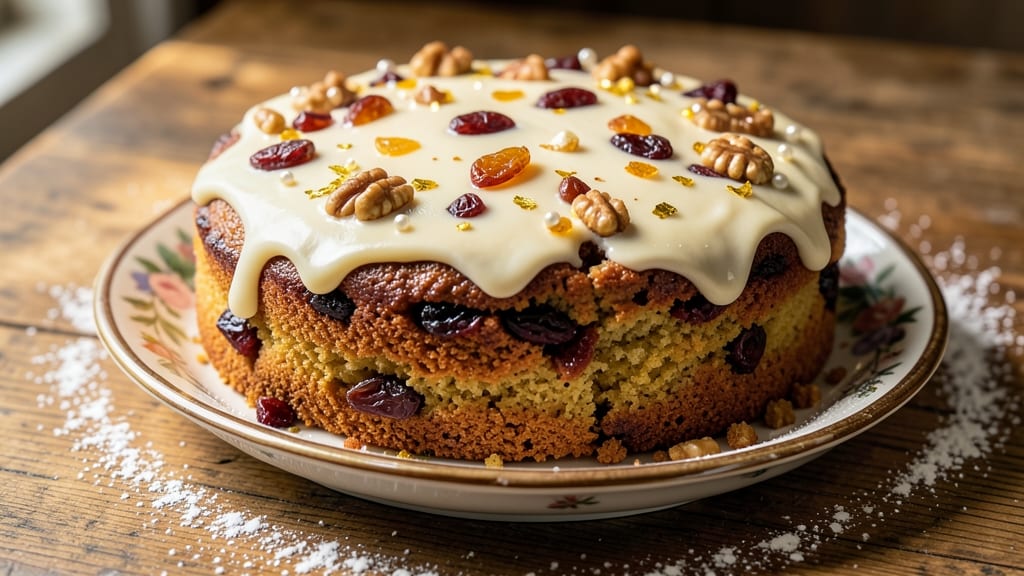
This Amish friendship fruit cake recipe brings warmth and tradition to your kitchen with its signature layers of spiced fruit, nuts, and moist cake. 💛 The recipe's roots run deep in Pennsylvania Dutch communities, where these cakes were historically shared among friends and neighbors as tokens of hospitality and care. What makes this cake special isn't just its rich flavors—it's the time-honored method of layering dried fruits, nuts, and spices that create a complex, comforting taste in every bite.
The cake's magic lies in its simplicity and patience—dried fruits soaked overnight, a tender cake batter infused with cinnamon and nutmeg, and a nutty crunch from walnuts or pecans. This version stays true to tradition while being approachable for home bakers, with clear steps for layering and baking that ensure perfect results every time. The cake improves with age, developing deeper flavors as it sits, making it an ideal project for holidays or special occasions.
By the time you pull this cake from the oven, you'll have a golden, fragrant loaf with a tender crumb and pockets of sweet, chewy fruit. The spices—cinnamon, cloves, and allspice—create a warm, inviting aroma that fills your home, while the nuts add satisfying texture. This is the kind of cake that tastes like love, tradition, and a little bit of nostalgia with every slice.
Serve it at gatherings, gift it to friends, or enjoy a slice with tea—this cake is as meaningful as it is delicious. The recipe includes tips for layering and storing, ensuring your cake stays moist and flavorful for days. Let's get started on creating this timeless dessert that carries the spirit of Amish hospitality.
Ingredients for amish friendship fruit cake
Fifteen ingredients, layered with tradition—this cake tastes like nostalgia and love.
| Ingredient | Amount | Notes |
|---|---|---|
| All-Purpose Flour 🌾 | 4 cups | Sifted for light texture |
| Granulated Sugar 🍚 | 2 cups | White or light brown |
| Unsalted Butter 🧈 | 1 cup | Room temperature, full-fat |
| Large Eggs 🥚 | 4 whole | Room temperature, fresh |
| Vanilla Extract 🌸 | 2 tsp | Pure vanilla preferred |
| Baking Powder 🧂 | 2 tsp | Diamond Crystal preferred |
| Ground Cinnamon 🌿 | 1 tsp | Freshly ground for warmth |
| Ground Cloves 🌶️ | ½ tsp | Freshly ground for depth |
| Ground Allspice 🌶️ | ½ tsp | For traditional spice blend |
| Salt 🧂 | ½ tsp | Fine sea salt preferred |
| Whole Walnuts 🥜 | 2 cups | Toasted, chopped coarsely |
| Dried Mixed Fruit 🍇 | 3 cups | Chopped, soaked overnight |
| Raisins 🍈 | 1 cup | Plump, soaked overnight |
| Orange Zest 🍊 | 1 tbsp | Freshly grated for brightness |
| Orange Juice 🍊 | ½ cup | Freshly squeezed, strained |
The dried fruit is the heart of this cake, so don't skimp. Trader Joe's bulk bin has great options, but watch for added sugars—just the fruit, nothing else. Soak overnight in orange juice and brandy (or extra juice if avoiding alcohol) to plump them up. Walnuts should be toasted until golden—10 minutes at 350°F in a dry pan, stirring often. The spices are key: cinnamon, cloves, and allspice create that classic Amish warmth. Penzeys carries whole spices if you want to grind them fresh for even more depth.
No brandy? Extra orange juice works too. Short on walnuts? Pecans or almonds are fine, but toast them first. The fruit can be any mix—apricots, cherries, pineapple—whatever you love. Prefer less sweetness? Reduce sugar by 0.25 cups and add extra zest. The cake batter is simple but needs attention: whisk butter and sugar until light (about 3 minutes) for that tender crumb. And for the love of cake, don't overmix—just until combined.
This cake gets better with time—2-3 days is ideal for maximum flavor. Wrap tightly in plastic and store at room temperature. For gifting, slice before wrapping—parchment between layers keeps them from sticking. Freezes beautifully for up to 3 months if wrapped airtight. The fruit soaking liquid? Save it for cocktails—trust me, it's magical.
Why You'll Love This Recipe
- No-Mess Mixing: The dough comes together like a dream—just cream butter and sugar until fluffy, then fold in eggs and vanilla. No food processor, no fuss, and zero cleanup beyond one bowl.
- Moisture Locked In: That butter-to-flour ratio? It keeps this cake tender for days. No dry crumbs, no sad edges—just rich, velvety bites that taste like home every time.
- Holiday or Snack: Slice it thin for tea parties or serve it whole at Christmas—it’s equally impressive. My kids even sneak pieces for after-school snacks (and I don’t blame them).
- Pantry Goldmine: Uses basic ingredients you already own, and the leftovers? They last weeks wrapped in foil. Honestly, I’ve had this cake three months later and it still tastes like the day it came out.
Step-by-step instructions for Amish friendship fruit cake
Here's how to bake this legendary cake with layers of spice, nuts, and fruit that keep improving over time.
👨🍳 Step 1: Prepare the Fruit and Nut Filling
In a large bowl, combine the 3 cups dried mixed fruit, 1 cup raisins, and 2 cups whole walnuts. Pour the ½ cup orange juice over everything and let it soak for at least 1 hour (or overnight for maximum flavor). This step ensures the dried fruit plumps up and the nuts soften slightly—both critical for that signature moist texture.
While soaking, toast the walnuts in a dry skillet over medium heat for 3-4 minutes until fragrant. Watch them closely—they'll darken quickly. Let them cool before adding back to the fruit mixture. The toasted walnuts add depth of flavor that plain walnuts can't match. Here's the thing—don't skip this toasting step. It makes all the difference in the final texture and taste.
👨🍳 Step 2: Cream Butter and Sweeteners
In a stand mixer fitted with the paddle attachment, beat the 1 cup unsalted butter and 2 cups granulated sugar on medium speed for 3-4 minutes until light and fluffy. You'll see the mixture nearly double in volume and turn pale. This creaming process incorporates air, which creates a tender cake crumb rather than a dense one.
Add the 4 whole large eggs, one at a time, mixing well after each addition. Then stir in the 2 tsp vanilla extract and 1 tbsp orange zest. The zest adds a bright citrus note that cuts through the richness of the butter and complements the dried fruit beautifully. Mix just until combined—overmixing develops gluten and makes the cake tough. I always use room-temperature eggs for best results—they emulsify more smoothly into the butter mixture.
👨🍳 Step 3: Combine Dry Ingredients and Fruit Mixture
In a separate bowl, whisk together the 4 cups all-purpose flour, 2 tsp baking powder, 1 tsp ground cinnamon, ½ tsp ground cloves, ½ tsp ground allspice, and ½ tsp salt. Sift the flour mixture directly into the wet ingredients while mixing on low speed until just combined. The key here is to mix only until no flour streaks remain—overmixing develops gluten and makes the cake dense.
Remove the bowl from the mixer and gently fold in the soaked fruit and nut mixture using a silicone spatula. Be careful not to break up the fruit pieces too much—you want them to remain visible in the final cake. The batter will be thick and sticky, almost like cookie dough. This is completely normal and exactly what you want for that moist, dense texture. Don't be tempted to add extra liquid—this recipe is designed to be rich and dense on purpose.
🔥 Step 4: Bake in Layers for Even Cooking
Preheat your oven to 350°F and grease two 9-inch round cake pans (or use parchment rounds). Divide the batter evenly between the pans. Bake for 25-30 minutes or until a toothpick inserted in the center comes out clean. The cakes should be slightly underbaked—they'll firm up as they cool. Rotate the pans halfway through baking for even browning.
Here's where tradition matters: Let the cakes cool completely in their pans before removing. I know it's tempting to dig in right away, but patience pays off. The cakes need to set properly so they hold their shape when you layer them later. Once cooled, wrap each cake individually in plastic wrap and store at room temperature for at least 24 hours before layering. This resting period allows the flavors to meld and the cake to develop its signature texture.
🥘 Step 5: Layer and Store for Maximum Flavor
After the initial 24-hour rest, unwrap one cake and spread a thin layer of orange juice (about 1-2 tablespoons) over the top. This acts as a natural glaze that helps bind the layers together. Place the second cake on top and repeat with another layer of orange juice. Wrap the layered cake tightly in plastic wrap and store at room temperature.
The magic happens over time—this cake actually gets better with age. Feed it 1 tablespoon of brandy or rum (optional) every 2 weeks for the next 2 months. The alcohol helps preserve the cake and enhances the fruit flavors. After the initial 24 hours, you can unwrap and slice the cake whenever you're ready to serve. Each slice will be moist, spiced, and packed with fruit and nut goodness that only improves with time.
Pro Tips For Making Amish Friendship Fruit Cake
- CREAM THE BUTTER SLOWLY: I learned this the hard way—dumping cold butter into sugar at once makes a greasy mess that won’t aerate properly. Use a wooden spoon to cut butter into sugar piece by piece until it’s fully incorporated, then switch to a mixer. The goal is tiny, fluffy crumbs, not a lump of butter fighting for its life.
- SIFT THE FLOUR FIRST: Yes, even if the recipe doesn’t say it. Sifting the flour removes air pockets and prevents dense, heavy cake. Do this before mixing anything else—it’s the easiest way to guarantee a tender crumb. (And skip the sifter? Your cake will taste it.)
- DON’T OVERMIX THE BATTER: I used to beat this batter until it looked smooth, but that’s how you end up with a tough, chewy cake instead of light layers. Mix just until the flour disappears—about 30 seconds by hand or 1 minute in a mixer. Overdo it, and you’ll regret it later.
- LET THE CAKE REST BEFORE BAKING: This isn’t a shortcut—it’s non-negotiable. Let the batter sit in the oven unbaked for 15–20 minutes after pouring. The heat will draw out moisture, making the cake rise higher and bake more evenly. (I know, I know—it feels like you’re wasting time, but trust me.)
Regional styles of this dish
Pennsylvania Dutch Roots
The Amish friendship fruit cake traces its origins to the Pennsylvania Dutch communities of Lancaster County, where it became a beloved tradition in the 19th century. These cakes were originally made as gifts to celebrate special occasions like weddings, births, and holidays, symbolizing friendship and goodwill. The recipe evolved from traditional English fruit cakes, adapted with local spices like cinnamon and allspice that were readily available in Pennsylvania Dutch households. 🌾
What makes this cake uniquely Amish is its emphasis on simplicity and community. Families would gather to prepare multiple cakes for neighbors, often baking them in large batches to share. The practice of feeding the cake with brandy or rum over time also reflects the resourcefulness of early settlers, who used whatever was available to preserve and enhance the flavors. This cake wasn't just food—it was a way to strengthen bonds within the community.
Ohio Amish Adaptations
While the Pennsylvania version remains the most iconic, Ohio Amish communities developed their own variations that often include more pronounced spice blends. In Ohio, you'll find cakes with higher concentrations of cinnamon and nutmeg, sometimes even incorporating a touch of ginger for warmth. The Ohio version also tends to use more pecans than walnuts, reflecting the region's abundant pecan orchards. The texture remains dense and moist, but the nut profile shifts slightly to suit local tastes. 🥜
One notable adaptation is the use of apple cider instead of orange juice for soaking the fruit—a nod to Ohio's apple-growing heritage. This swap adds a subtle tartness that pairs beautifully with the spices. Ohio Amish bakers also often include a thin layer of spiced apple butter between the cake layers, adding another dimension of flavor that's distinctly Midwestern. The result is a cake that's equally comforting but with a regional twist.
Modern Homestyle Variations
Today's home bakers have put their own spin on the classic recipe while keeping the spirit of tradition alive. Many modern versions incorporate gluten-free flour blends to accommodate dietary restrictions, using a 1:1 substitution that maintains the cake's structure. For those avoiding alcohol, extra orange juice or apple cider becomes the moisture enhancer during the aging process. The key is to maintain the cake's signature density—whether through traditional flour or modern alternatives. 💛
Another popular adaptation is the addition of chocolate—either as dark chocolate chunks in the batter or as a thin layer of chocolate ganache between the cake layers. This fusion approach keeps the cake's moist texture while adding a rich, decadent element that appeals to contemporary palates. Some bakers also experiment with different fruit combinations, like dried cranberries or cherries, to create seasonal variations that still honor the original concept.
Southern Appalachian Twist
In the Appalachian region, particularly in states like Tennessee and North Carolina, the friendship fruit cake takes on a slightly sweeter profile with the addition of honey or maple syrup to the fruit-soaking liquid. This adaptation reflects the region's love of honey and its historical use in preserving fruits. The spices remain the same, but the overall sweetness level increases slightly to complement the local agricultural focus on fruits like blackberries and peaches. 🍯
What's particularly interesting about this variation is the use of local nuts like hickory nuts or black walnuts, which add a distinct earthy flavor that contrasts with the sweeter fruit. The Appalachian version also often includes a sprinkle of cornmeal in the batter, giving the cake a subtle crunch that's reminiscent of traditional Appalachian cornbread. This twist maintains the cake's moist texture while adding a rustic, regional character that's uniquely Southern.
Nutrition facts
Frequently asked questions
Why does this cake need to rest before eating?
The resting period is crucial for developing the cake's signature texture and flavor. The initial 24-hour rest allows the moisture to distribute evenly and the spices to meld together. The fruit and nuts also soften further, creating that perfect balance of moist cake and chewy fruit. Traditional Amish bakers believed this waiting period enhanced the cake's keeping qualities and deepened its comforting flavors.
Can I make this cake without brandy or rum?
The alcohol is optional but adds depth of flavor over time. For a non-alcoholic version, simply use extra orange juice or apple cider when feeding the cake every 2 weeks. The moisture will still help preserve the cake and enhance the fruit flavors—it'll just develop slightly differently without the alcohol's caramelization effect.
What's the best way to slice this cake?
Use a sharp, serrated knife and warm it slightly by running it under hot water first. This helps create clean slices without crushing the cake's delicate layers. For the first few cuts, dip the knife in flour or cocoa powder to prevent sticking. Serve slices at room temperature for the best texture—never straight from the refrigerator.
How do I store leftovers to keep them moist?
Wrap the cake tightly in plastic wrap and store at room temperature. For longer storage (up to 3 months), freeze individual slices wrapped in parchment and plastic. The key is to prevent air exposure—this cake stays moist because it's designed to absorb and retain moisture over time. Avoid refrigerating unless necessary, as cold temperatures can dry out the cake.
What makes this different from regular fruit cake?
This Amish version has several key differences: the layered baking method, the specific spice blend (cinnamon, cloves, allspice), and the traditional aging process with alcohol or juice. Regular fruit cakes often use more sugar and less spice, while this recipe emphasizes moisture and texture through the fruit-soaking technique. The nutty crunch from toasted walnuts also sets it apart from denser fruit cake varieties.