
Desserts
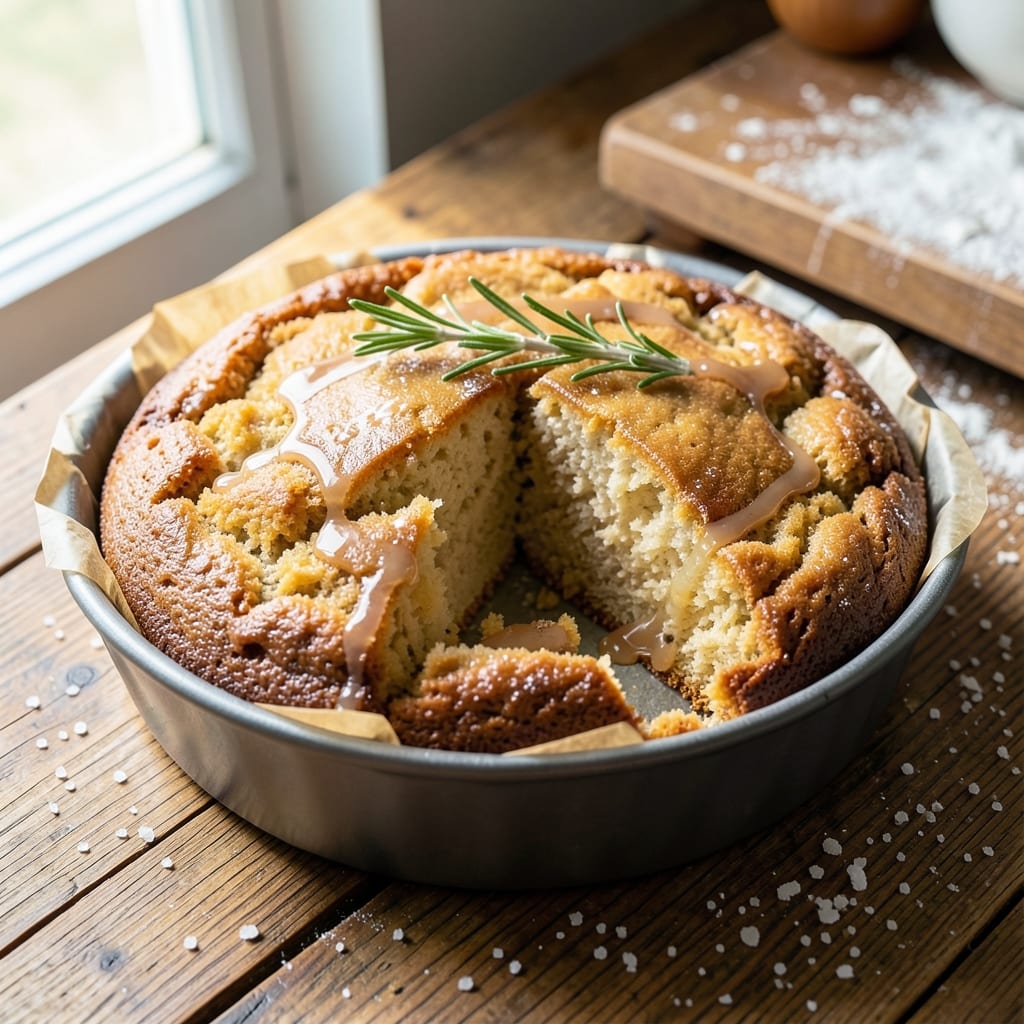
This American pound cake recipe delivers the moist, tender crumb and buttery richness that made it a Southern classic. The secret lies in equal parts butter, sugar, eggs, and flour—no substitutions allowed—creating a cake with a golden crust and delicate texture that slices perfectly. I’ve baked this version for decades, and it never disappoints, whether served plain or dressed up with fruit compote.
The key to success is room-temperature ingredients and gentle folding to maintain air pockets. Creaming the butter and sugar until light and fluffy ensures maximum moisture, while a touch of vanilla extract adds that signature warmth. This cake holds its shape beautifully while staying tender, making it ideal for slicing into thick wedges or using as a base for trifles and layer cakes.
What sets this recipe apart is its versatility—serve it warm with whipped cream, dusted with powdered sugar, or paired with fresh berries for a classic dessert. The foolproof method guarantees a cake that’s light yet substantial, with a subtle sweetness that lets the butter shine. No fancy equipment is needed, just patience and attention to detail.
Once baked, this cake stays fresh for days when stored properly, making it perfect for meal prep or special occasions. The classic vanilla flavor serves as a blank canvas for variations like lemon or coffee, but the traditional version remains unbeatable for its simplicity and elegance. Let’s get baking!
Ingredients for american pound cake
Equal parts butter, sugar, eggs, and flour create this classic Southern pound cake's signature texture.
| Ingredient | Amount | Notes |
|---|---|---|
| Unsalted Butter 🧈 | 1 lb | Room temperature, European-style preferred |
| Granulated White Sugar 🍚 | 1 lb | Superfine sugar for finer texture |
| Large Eggs 🥚 | 4 whole | Room temperature, separated yolks/whites |
| All-Purpose Flour 🌾 | 1 lb | Sifted, bleached preferred for tenderness |
| Pure Vanilla Extract 🌸 | 1 tbsp | Bourbon-based for authentic flavor |
| Baking Powder 🍞 | ½ tsp | Aluminum-free for neutral rise |
| Diamond Crystal Kosher Salt 🧂 | ½ tsp | Fine grain for even distribution |
| Powdered Sugar 🍚 | ¼ cup | For dusting finished cake |
| Unflavored Vegetable Oil 🫒 | ¼ cup | For greasing pan and brush |
| Parchment Paper 📄 | 1 sheet | For cake pan lining |
| Fresh Blueberries 🫐 | 1 cup | Optional, for folding into batter |
The butter is non-negotiable—European-style brands like Plugrá or Bergdorff yield superior flavor and texture. Room temperature is critical; cold butter creates dense pockets. Whole Foods and specialty grocers carry the best selections, but any high-quality unsalted butter works. For sugar, superfine dissolves more evenly, though regular granulated sugar works in a pinch. The eggs must be room temperature—cold eggs cause cracks. Separate yolks and whites for the classic pound cake technique. Flour should be sifted to eliminate lumps, and bleached all-purpose provides the tender crumb traditional to this recipe.
No vanilla extract? Seeds from a vanilla bean steeped in warm water work beautifully, though they require 24 hours infusion. For sugar substitutions, turbinado sugar adds subtle caramel notes but may alter texture slightly. The baking powder must be aluminum-free—look for brands like Clabber Girl or Bob's Red Mill. If folding in berries, toss them in flour first to prevent sinking. The vegetable oil should be neutral-flavored—Crisco or Mazola are classic choices. For a nutty variation, substitute walnuts or pecans for the blueberries at the same quantity.
Store the cake in an airtight container at room temperature for up to 5 days, or refrigerate for 1 week. For longer storage, wrap tightly in plastic and freeze for up to 3 months. The cake reheats beautifully—wrap a slice in foil and warm in a 200°F oven for 10 minutes to restore moisture. To maintain freshness, place a slice of bread in the container to absorb excess moisture. This cake also freezes exceptionally well when fully baked and cooled, making it ideal for meal prep or special occasions.
Why You'll Love This Recipe
- Here’s what sold me: that rich, golden crumb with vanilla so deep it lingers like a hug. The butter isn’t just melted in—it’s whipped into the sugar until it’s cloudy and fluffy, so every bite has that melt-in-your-mouth richness. Honestly, I’ve made it plain and with add-ins, but the classic version? Reliable perfection.
- No Fussy Steps: I swear by this recipe because it’s just butter, sugar, eggs, and flour—no sifting, no creaming like you’re auditioning for a baking show. Cream the butter and sugar until light? Done. Add eggs one at a time? Done. Fold in flour? Done. That’s it. No stress, no mess.
- Buttery Vanilla Bliss: Here’s what sold me: that rich, golden crumb with vanilla so deep it lingers like a hug. The butter isn’t just melted in—it’s whipped into the sugar until it’s cloudy and fluffy, so every bite has that melt-in-your-mouth richness. Honestly, I’ve made it plain and with add-ins, but the classic version? Reliable perfection.
- Budget-Friendly Luxury: Between us, this recipe is my secret weapon for feeling fancy without breaking the bank. A pound of butter and a handful of sugar stretch far, and you’re left with a cake that tastes like it cost twice as much. Plus, it’s the kind of thing you can make in bulk and freeze—because nothing beats pulling a slice straight from the freezer when you’re in a rush.
Step-by-step instructions for American pound cake
This method delivers the signature texture and flavor that make classic pound cake legendary.
Prepare the Cake Pan and Preheat the Oven
Preheat your oven to 350°F and position a rack in the center. Grease a 9-inch round cake pan generously with 2 tablespoons of the unflavored vegetable oil, then line the bottom with the parchment paper. Brush the sides of the pan with the remaining 2 tablespoons of oil to ensure easy release later. I like to use a pastry brush for even distribution—this prevents sticking without making the cake greasy.
The key to a perfect pound cake starts with proper pan preparation. The oil creates a barrier between the cake and pan, while the parchment ensures the bottom doesn't overbrown. Don't skip this step—it's what separates a good cake from a great one. While the oven preheats, I recommend taking your unsalted butter and eggs out of the refrigerator to come to room temperature. This ensures even mixing and proper leavening.
Cream the Butter and Sugar
In a stand mixer fitted with the paddle attachment, beat the 1 lb unsalted butter and 1 lb granulated white sugar on medium speed for 3-4 minutes until light and fluffy. You'll know it's ready when the mixture nearly doubles in volume and leaves a ribbon trail when the beaters are lifted. This creaming process incorporates air, which creates that signature tender crumb.
I use a European-style butter here because it has a higher fat content—about 82-84%—which gives the cake an extra-rich texture. Don't rush this step; under-creaming leads to dense cake. You should see the mixture go from pale yellow to a lighter shade with a smooth, thick consistency. This is the foundation of that classic pound cake texture we're after.
Add Eggs and Vanilla
Add the 4 whole large eggs, one at a time, mixing on low speed after each addition until fully incorporated. Then add the 1 tbsp pure vanilla extract and mix for another 30 seconds. The mixture might look slightly curdled after adding the eggs, but don't worry—this will resolve when we add the dry ingredients. I always use bourbon-based vanilla extract for that authentic depth of flavor that distinguishes American pound cake.
Room temperature eggs are crucial here—they emulsify better with the butter and sugar, creating a smoother batter. If your eggs are cold, the mixture will be lumpy and won't incorporate as well. After adding the vanilla, give everything one final mix to ensure it's completely homogeneous. This is where the flavor foundation gets established, so take your time and make sure every spoonful tastes consistent.
Combine Dry Ingredients and Fold into Batter
In a separate bowl, whisk together the 1 lb all-purpose flour, 0.5 tsp baking powder, and 0.5 tsp diamond crystal kosher salt. Sift the flour mixture directly into the wet ingredients, then gently fold in with a spatula until just combined. You want to preserve as much air as possible, so don't overmix—just until there are no more flour streaks visible. This step is where the cake's structure begins to form.
I like to use bleached flour here because it develops less gluten, resulting in a more tender crumb. The baking powder provides just enough lift, while the salt enhances all the other flavors. If you're using the 1 cup fresh blueberries, gently fold them in now, being careful not to crush them. This keeps them intact for those beautiful bursts of fruit throughout each slice. The batter should be thick but pourable—like a very dense cake batter.
Bake to Golden Perfection
Pour the batter into the prepared cake pan and smooth the top with a spatula. Bake in the preheated oven for 50-60 minutes until a toothpick inserted into the center comes out clean. The cake should be golden brown on top and have pulled away slightly from the sides of the pan. I usually start checking at the 45-minute mark because oven temperatures can vary.
Don't open the oven door during the first 30 minutes of baking—this prevents the cake from sinking. When it's done, transfer the cake to a wire rack and let it cool in the pan for 10 minutes. Then carefully remove the cake from the pan (using the parchment paper for leverage if needed) and cool completely on the rack. Once fully cooled, dust the top with the 0.25 cup powdered sugar for that classic finish. The cake will be moist and rich, with a tender crumb that crumbles slightly when cut—this is exactly what we want from a proper pound cake.
Pro Tips For Making American Pound Cake
- Cream Butter Slowly: I learned this the hard way—dumping cold butter into sugar and whipping it with a mixer just makes a greasy mess. Instead, let the butter sit out for 30 minutes until it’s soft but not melted, then beat it with the sugar on medium speed for 3-4 minutes. You’re not just mixing; you’re emulsifying fat into sugar, which means a lighter, more tender crumb. (Yes, even if you’re impatient like me.)
- Weigh Your Flour: Scooping flour from the bag packs in air and changes volume, which throws off your ratio. Use a kitchen scale for precision—this cake relies on the exact balance of butter, sugar, and flour. If you’re measuring by cup, spoon flour into the cup, level it off, and don’t tap it. Trust me, your cake will thank you with a consistent texture.
- Avoid Overmixing Eggs: Once the eggs are fully incorporated, stop mixing as soon as the batter looks smooth. Overworking the eggs adds air that collapses during baking, leading to a dense cake. Fold in the vanilla gently—just a quick swirl—then get that batter into the pan. The goal is to keep things gentle until the oven does the heavy lifting.
- Bake Until Cool: I know, I know—you want to cut that cake immediately. But pulling it out at the slightly underdone stage (when the edges pull away but the center jiggles) and letting it cool for 10 minutes under foil makes all the difference. This prevents a gummy center and lets the crumb set properly. (Your future self will thank you when you slice into a perfect, moist cake.)
Perfect pairings for these flavors
Fruit Compote Pairings
Fresh berries transform this cake into a showstopper. A warm peach compote made with 2 cups sliced peaches, ¼ cup brown sugar, and 1 tsp lemon juice—simmered for 10 minutes—adds a luscious, slightly tart contrast. For a Southern twist, try blackberry bourbon sauce: simmer 1 cup blackberries, 2 tbsp bourbon, and 1 tbsp honey until thickened. 🍑
Creamy Toppings
Whipped cream is a must—fold 1 cup heavy cream with 2 tbsp powdered sugar and ½ tsp vanilla until soft peaks form. For extra decadence, layer with vanilla bean ice cream or mascarpone cheese mixed with 1 tbsp honey. A drizzle of chocolate ganache (melt ½ cup dark chocolate with ¼ cup heavy cream) elevates it to restaurant-quality dessert.
Coffee or Tea Infusions
For a sophisticated twist, infuse the cake batter with 1 tsp instant espresso powder or 2 tbsp strong brewed coffee—this deepens the vanilla flavor beautifully. Serve with a cup of hot black tea or cold brew coffee for a cozy afternoon treat. A sprinkle of cinnamon sugar on the cake adds warmth to complement the coffee notes.
Wine and Liquor Pairings
A glass of sweet Moscato or Chardonnay pairs perfectly with vanilla pound cake, balancing its richness. For a boozy twist, brush the cake with 2 tbsp bourbon before baking or serve with a side of caramel sauce spiked with 1 tsp vanilla extract. A splash of orange liqueur in the compote adds a citrusy brightness that cuts through the butter.
Seasonal Variations
In summer, fold ½ cup diced pineapple into the batter and top with toasted coconut flakes. For fall, swap blueberries for candied pecans and serve with pumpkin spice whipped cream. Winter calls for cranberry sauce—simmer 1 cup cranberries, 2 tbsp sugar, and 1 tsp orange zest until thick. Each seasonal twist keeps this classic cake feeling fresh year-round. 🍂
Nutrition facts
Frequently asked questions
Why is this called a "pound" cake?
The name comes from the original recipe using 1 pound each of butter, sugar, eggs, and flour—four key ingredients that create its signature texture. This equal ratio is non-negotiable for authentic pound cake. The term dates back to 18th-century England when ingredients were often measured by weight rather than volume.
Can I substitute butter with oil?
Not for this classic recipe—oil would make the cake denser and less flavorful. The butter's fat content creates the signature tender crumb and rich taste. If you must reduce fat, try ½ lb butter + ½ cup oil, but expect a slightly different texture. For a lighter version, some bakers use Greek yogurt in place of ¼ of the butter.
How do I fix a sunken middle?
Sunken cake usually means overmixing or opening the oven too soon. For next time: don't overfill the pan (fill only ⅔ full), and avoid opening the oven for the first 30 minutes. If it happens, try this quick fix: slice off the top ½ inch, then cover with a thin layer of whipped cream or jam. The contrast will actually make it look intentional!
Can I make this in a different pan shape?
Yes! This batter works perfectly in 9x13-inch pans (bake 40-45 minutes) or loaf pans (bake 50-60 minutes). For bundt pans, reduce baking time by 10-15 minutes—the cake will be thinner. Always adjust baking time based on your pan size, and use a toothpick test to check doneness. The batter's thickness means it won't rise as much as cupcake batter.
How long should I let the cake cool?
Let it cool in the pan for 10 minutes first, then transfer to a wire rack to cool completely (about 2 hours). Rushing this step can cause the cake to crack. The cooling process allows the moisture to distribute evenly, resulting in that perfect tender crumb. If you're in a hurry, you can serve it warm with ice cream, but it won't be as moist.