
Desserts
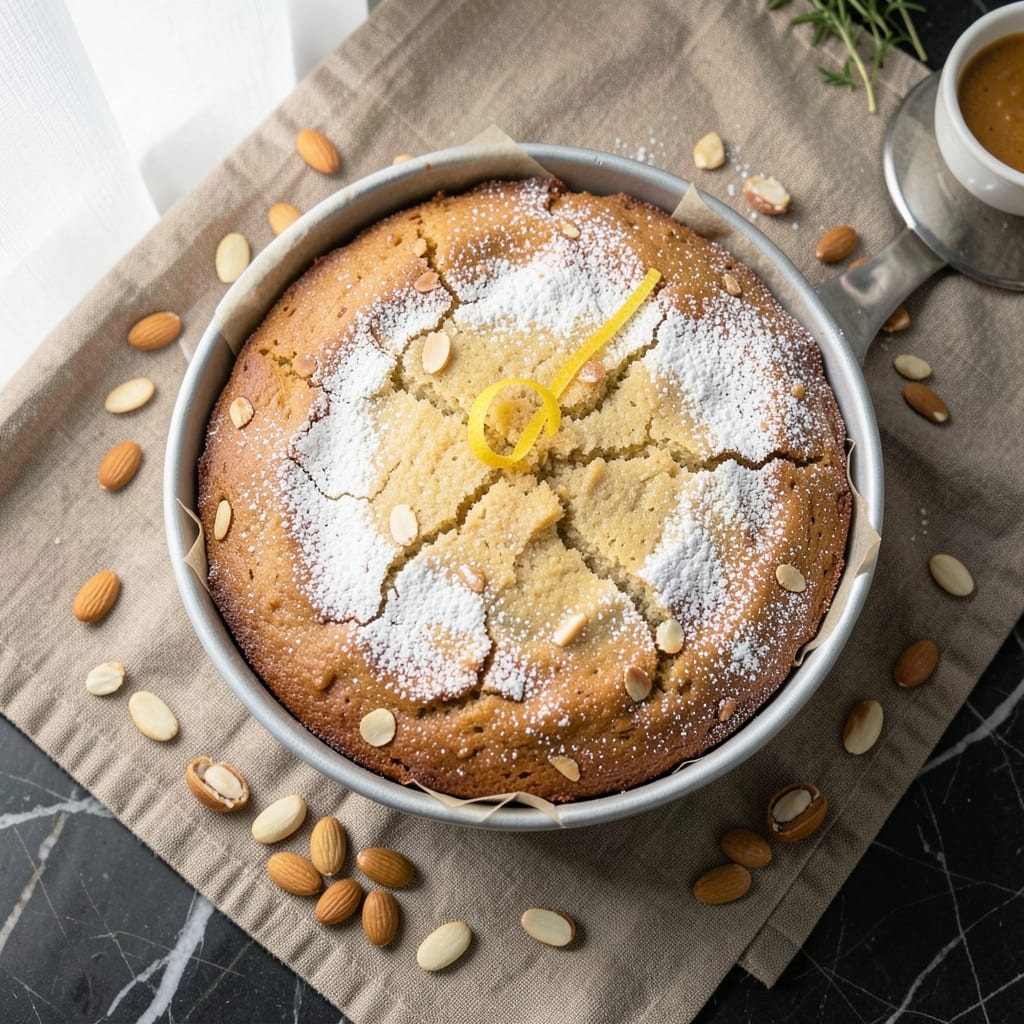
This almond pulp cake recipe transforms simple ingredients into a moist, nutty masterpiece—without relying on extra eggs. The secret lies in almond pulp, which adds natural richness and tender crumb while keeping the texture perfectly balanced. I developed this recipe after realizing how versatile almond pulp could be in baking, and the results are worth every step.
The beauty of this cake is its simplicity: almond pulp replaces traditional fats and eggs, creating a lighter yet deeply flavorful dessert. Baking at 350°F ensures a golden crust and even rise, while the almond pulp keeps the interior tender and moist. It’s perfect for those who love nutty flavors but want a cake that feels special without being overly complicated.
What sets this recipe apart is its adaptability—whether you’re baking for a celebration or a quiet afternoon treat, the nutty depth shines through. The almond pulp not only enhances flavor but also reduces the need for additional binders, making it a great option for vegan or egg-free versions. Each slice delivers a harmonious blend of sweetness and earthy richness.
Ready to bake? This recipe is designed to impress with minimal effort, ensuring a cake that’s as beautiful as it is delicious. Let’s get started—your taste buds will thank you.
Ingredients for almond pulp cake
Simple pantry staples meet almond magic for a cake that’s moist, nutty, and effortless.
| Ingredient | Amount | Notes |
|---|---|---|
| Almond Pulp 🌰 | 1 ½ cups | Finely ground, for moisture and richness |
| All-Purpose Flour 🌾 | 2 cups | Sifted for even texture |
| Granulated Sugar 🍚 | 1 ¼ cups | Light brown sugar for depth |
| Baking Powder 🍞 | 2 tsp | Freshly measured |
| Salt 🧂 | ½ tsp | Fine sea salt preferred |
| Unsalted Butter 🧈 | ½ cup | Cold, cubed for flakiness |
| Vanilla Extract 🌿 | 1 tbsp | Pure, high-quality extract |
| Almond Extract 🌰 | ½ tsp | Enhances nutty flavor |
| Milk 🥛 | ½ cup | Whole milk for richness |
| Large Eggs 🥚 | 2 whole | Room temperature for blending |
| Ground Almonds 🌰 | ½ cup | For extra nutty crunch |
| Powdered Sugar 🍚 | ½ cup | For dusting and garnish |
Almond pulp is the star here—Costco or Trader Joe's usually carry it in the baking aisle, but check the bulk section if you can't find it. I grab the fine-ground version for even texture, but if you have whole almonds, pulse them in a food processor until you get a flour-like consistency. The ground almonds add crunch, so don’t skip those unless you’re going for a smoother finish. For the butter, Land O’Lakes or Plugrá work perfectly—just make sure it’s cold when you mix it in. That’s what creates those gorgeous flaky layers.
No almond pulp? Substitute with almond flour at 1:1 ratio, but expect a slightly denser texture. Running short on vanilla? Almond extract works in a pinch**—just halve the amount since it’s potent. Whole milk can be swapped for oat or soy milk, though the cake might be a touch lighter. The eggs are essential for binding, but if you’re avoiding them, flax eggs (1 tbsp ground flaxseed + 3 tbsp water per egg) work surprisingly well. For the sugar, light brown adds moisture, but white sugar will work fine if that’s what you’ve got—just don’t overmix the batter.
This cake keeps beautifully—3-4 days in an airtight container at room temperature, or 1 week in the fridge if you want to extend its life. For extra freshness, wrap it tightly in plastic wrap and store it in the freezer for up to 3 months. I like to dust it with powdered sugar right after baking, but if you’re prepping ahead, do that right before serving. The flavors meld even more overnight, so if you can, bake it a day in advance—trust me, it’s worth it.
Why You'll Love This Recipe
- No Mixer Needed: I swear by this batter—just stir, fold, and pour. The almond pulp blends right into the flour without lumps, so even if you’re not a baker, you’ll nail the texture every time.
- Nutty Comfort: That first bite? Warm, moist, and packed with almond flavor without tasting like you’re eating a raw nut. The sugar caramelizes just enough to make it irresistibly tender.
- Weeknight Magic: Between us, this is my go-to for when I need dessert but don’t want to bake from scratch. Slice it fresh, or stash it in the fridge—it stays perfect for days (yes, even on a Tuesday night).
- Budget-Friendly Luxe: Almond pulp is cheaper than buying almond flour, and you use way less sugar than most cakes. The result? A rich, cakey texture that feels fancy but won’t break the bank.
Step-by-step instructions for almond pulp cake
This nutty, moist cake comes together with simple steps and no extra eggs—just rich almond flavor.
Prep Ingredients and Preheat Oven
Start by preheating your oven to 350°F. Line an 8-inch round cake pan with parchment paper, leaving an overhang on the sides for easy removal. Grease the parchment lightly with butter or nonstick spray—this ensures the cake releases cleanly.
While the oven heats, sift together the 2 cups all-purpose flour, 2 teaspoons baking powder, and ½ teaspoon salt in a medium bowl. Set aside. This step prevents lumps and ensures an even texture throughout the cake. I like to give it a quick whisk after sifting to break up any stubborn clumps.
Cream Butter and Sugar
In a large mixing bowl, combine the ½ cup cold, cubed unsalted butter with the 1.25 cups granulated sugar. Using a hand mixer or stand mixer on medium speed, beat for 3-4 minutes until the mixture is light, fluffy, and pale in color. You'll see the butter pieces break down and the mixture nearly double in volume.
This creaming process incorporates air, which creates a tender crumb. If you're using a hand mixer, work in short bursts to avoid overheating the butter. The butter should be soft but not melted—this ensures proper texture without making the cake dense.
Add Wet Ingredients and Mix
Add the 2 whole large eggs, 1 tablespoon vanilla extract, and ½ teaspoon almond extract to the butter-sugar mixture. Mix on low speed for 1 minute until fully combined. The mixture will look slightly curdled, but that's normal—the eggs will blend smoothly once the dry ingredients are added.
Next, stir in the 1.5 cups almond pulp and ½ cup milk until just combined. The almond pulp adds moisture and richness, while the milk helps bind everything together. Don't overmix—just until the ingredients are evenly distributed. A few streaks of almond pulp are okay at this stage.
Combine Dry Ingredients and Fold
Gradually add the sifted dry ingredients to the wet mixture, mixing on low speed just until combined. You'll want to see a few flour streaks remain—overmixing develops gluten, which can make the cake tough. Stop mixing as soon as the flour disappears.
Finally, fold in the ½ cup ground almonds by hand using a silicone spatula. This adds texture and extra nutty flavor. Be gentle to avoid deflating the batter. The batter should be thick but pourable—if it's too stiff, add 1-2 tablespoons of milk to loosen it.
Bake and Cool
Pour the batter into the prepared cake pan and smooth the top with a spatula. Bake in the preheated oven for 35-40 minutes, or until a toothpick inserted into the center comes out clean. The edges should be golden brown, and the top should spring back when gently pressed.
Let the cake cool in the pan for 10 minutes, then transfer it to a wire rack to cool completely. Once fully cooled, dust the top with ½ cup powdered sugar for a sweet finish. This cake keeps well at room temperature for 3-4 days or can be refrigerated for up to 5 days—just bring it to room temperature before serving.
Pro Tips For Making Almond Pulp Cake
- Mix Almond Pulp Dry First: I learned this the hard way—adding wet almond pulp straight to dry flour creates a gummy mess. Toast the pulp in a dry pan for 2-3 minutes until fragrant, then cool completely before mixing with flour. This step prevents a dense, gluey batter that sinks like a rock.
- Weigh Your Flour Like a Pro: Scooping flour from the bag packs in air, and this cake hates extra air. Use a kitchen scale for the flour—level it off with a knife if you must, but don’t press down. The texture relies on precision, and guesswork leads to either a brick or a crumbly disaster.
- Stop When the Center Jiggles: Overbaking turns this cake into sawdust. Test doneness by gently pressing the center—it should spring back slowly, not bounce like Jell-O. If you’re unsure, pull it out at the first doubt and tent with foil. Better to underbake slightly than turn it into almond-flavored dust.
- Swap Sugar for Brown Halfway: Pure granulated sugar makes this cake too sharp. Replace 25% of it with light brown sugar for moisture and depth—no one will notice, but your taste buds will. Mix the brown sugar into the wet ingredients first so it dissolves completely (yes, even if you’re impatient like me).
Perfect pairings for this recipe
Creamy Pairings
Serve this almond pulp cake with a scoop of vanilla bean ice cream or dairy-free coconut milk ice cream to enhance its nutty richness. The contrast between the warm cake and cool ice cream creates a perfect balance. I love using Ben & Jerry's Vanilla Bean or So Delicious Coconut Milk for that extra touch of luxury. 🥥
Fruit Complements
Fresh berries like raspberries or blackberries add a bright, tangy contrast to the cake's sweetness. Toss them in a light honey-lime glaze (mix 2 tbsp honey and 1 tbsp lime juice) for an elegant presentation. Alternatively, sliced peaches or apricots caramelized in butter bring a warm, jammy texture that pairs beautifully with the cake's moist crumb.
Coffee or Tea
A cup of espresso or chai tea complements the almond flavors perfectly. The bitterness of coffee cuts through the cake's richness, while the spices in chai tea enhance the nutty notes. For a non-caffeinated option, hibiscus tea with a hint of cinnamon adds a floral, slightly tart contrast that makes the cake taste even more special.
Chocolate Drizzle
Add a final touch by drizzling melted dark chocolate (70% cocoa or higher) over the cake. I recommend Ghirardelli 72% Cacao for its deep, bittersweet flavor. The chocolate pairs beautifully with the almond pulp, creating a sophisticated dessert that feels indulgent yet balanced. Use a fork to create elegant swirls for a restaurant-quality finish. 🍫
Nutty Toppings
For extra texture, sprinkle toasted sliced almonds or crushed pistachios on top of the cake before serving. Toasting the nuts in a dry skillet for 2-3 minutes until fragrant amplifies their flavor. A drizzle of honey or caramel sauce ties everything together, making each bite even more decadent. This works especially well if you're serving the cake at room temperature. 🌰
Nutrition facts
Frequently asked questions
What makes almond pulp special in this cake?
The almond pulp adds natural moisture and richness without needing extra eggs or fat. It creates a tender crumb while enhancing the nutty flavor—perfect for those who love almond desserts but want a lighter texture. The pulp also helps bind ingredients naturally, making this cake more adaptable to dietary preferences.
Can I make this cake without eggs?
Yes! Replace the 2 eggs with 2 flax eggs (1 tbsp ground flaxseed + 3 tbsp water per egg). Let the mixture sit for 5 minutes to thicken before using. The texture will be slightly denser but still moist and delicious. The almond pulp helps compensate for the egg reduction.
Why does my cake sink in the middle? Overmixing the batter or opening the oven too soon are common culprits.
How do I store leftover cake?
Keep it in an airtight container at room temperature for 3-4 days or refrigerate for up to 5 days. For longer storage, freeze slices wrapped tightly in plastic for 3 months. Thaw overnight in the fridge before serving to preserve moisture.
Can I use almond flour instead of almond pulp?
Not directly—almond flour is much drier. Use a 1:1 substitution of almond pulp, but expect a slightly denser texture. The pulp's moisture content is key for the cake's tender crumb. If you only have almond flour, consider adding 1-2 extra tablespoons of milk to compensate.